Shoppers are often confused by moissanite pricing. A 1-carat equivalent stone can cost anywhere from under $20 to several hundred dollars, and both listings will call themselves "real moissanite." That spread exists because moissanite is not mined—it is grown, cut, graded, and finished in steps that vary enormously in quality. Understanding where the price goes helps you spot the listings that are too good to be true and justify the ones that are worth paying for.
It starts in the growth chamber
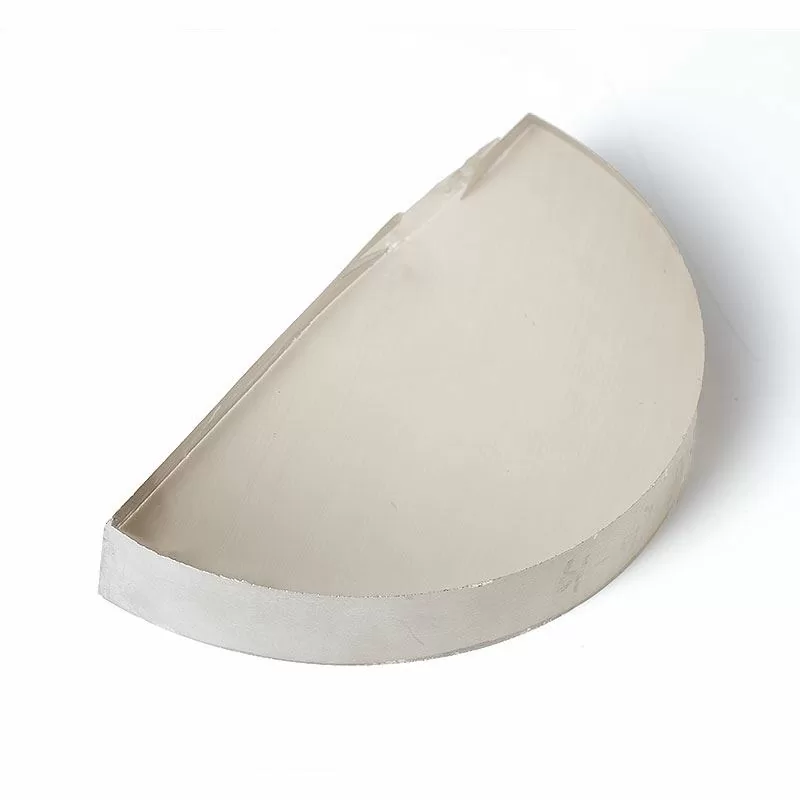
Natural moissanite is vanishingly rare; nearly all commercial moissanite is lab-grown using a process that mimics the conditions where silicon carbide crystals form. Growing a clean, colorless, inclusion-free boule takes days of controlled heat and pressure, and only a fraction of each run yields gem-quality material. Lower-grade growth runs produce stones with a greenish or gray tint, visible inclusions, or uneven internal stress. Those lower grades enter the market cheaply. Our piece on how moissanite is made walks through the growth process in more detail.
Cutting and polishing add real cost
Moissanite is harder than almost any gem besides diamond, which makes cutting slower and more expensive. A well-cut stone is angled so light returns through the top as brightness and fire. A poorly cut stone, even one grown from fine rough, looks dull or glassy because light leaks out the sides. The difference between a factory-cut and a precision-cut stone is visible in sunlight, and that difference is why prices diverge. The cut grade is the factor that most affects how the finished stone looks on the finger.
Grading, certification, and consistency
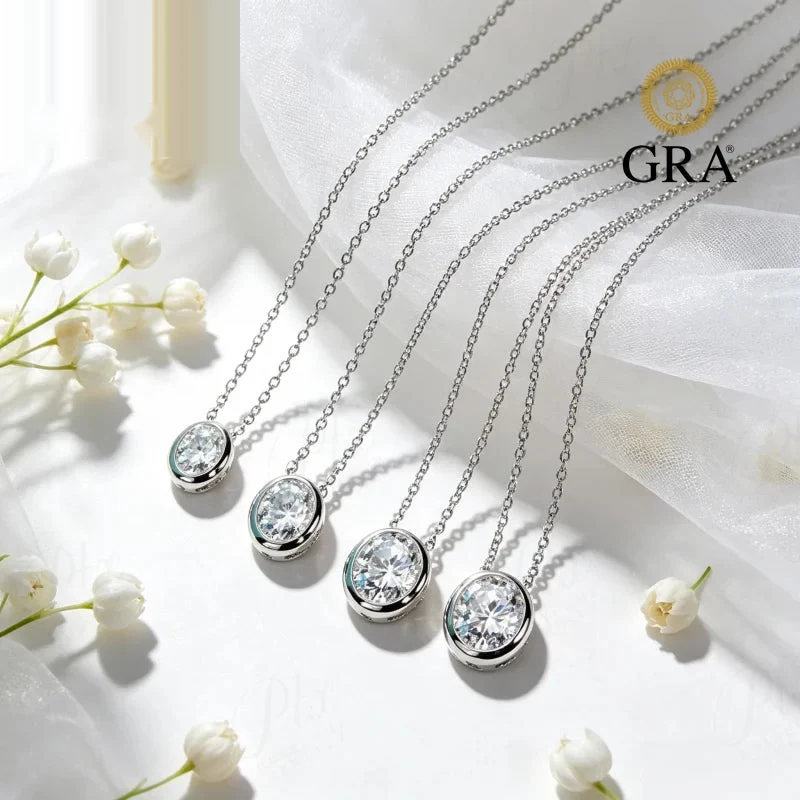
Reputable suppliers grade each stone for color (D to F is the top range), clarity, and cut, and issue a report such as a GRA certificate. That paperwork costs time and money, but it also means the next stone you order will match the one you tested. Uncertified listings may ship a different grade every time—fine for cheap fashion jewelry, frustrating for a bridal line. Read our notes on moissanite certification to know which reports actually mean something.
Why "too cheap" is a warning
If a listing sells a 6.5 mm stone for under what the rough and cutting alone would cost, the stone is very likely not moissanite at all. Cubic zirconia looks similar in soft indoor light but clouds, scratches, and loses fire within months. The easiest tell is price math: a genuine, colorless, well-cut 1-carat equivalent moissanite in a sterling silver setting should land in a predictable range. Anything far below that is almost always CZ or a glass simulant. Our moissanite vs. CZ comparison explains how to tell the difference after purchase.
What you actually save on
Moissanite is affordable not because it is fake, but because it removes the costs that inflate diamond pricing: mining, rough cartel control, branding, and decades of marketing. You are paying for a precision-grown, precision-cut gem, not a century of advertising. That is why a well-made moissanite ring gives up almost nothing in brilliance while freeing budget for the setting, the band, and the occasion itself.
What retailers should expect to pay
For resellers, wholesale moissanite pricing depends on stone size, color grade, certification, and order volume. Larger orders and repeat relationships bring unit prices down. Our wholesale moissanite MOQ guide maps typical tier breaks. The mistake to avoid is chasing the lowest listed unit price without checking the stone grade—buyers who do that end up with returns and unhappy customers.
The setting and finish add cost too
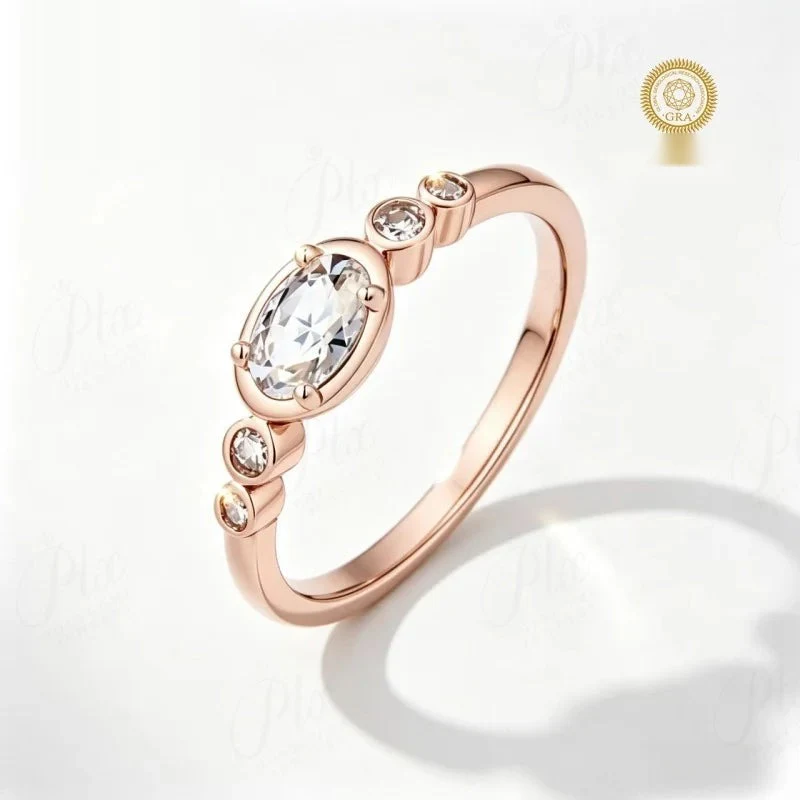
The stone is only half the price of a finished ring. A well-made 925 sterling silver setting—with secure prongs, a smooth inner band, and a rhodium plate that stays bright—costs more than a flimsy cast. Cheap rings often save here: thin bands, loose prongs, and plating that wears off within weeks. When you pay a fair price for a moissanite ring, part of that cost is the setting that holds the stone safely on your finger for years. A beautiful stone in a careless setting is still a disappointment.
Why prices step up so sharply by size
Larger moissanite stones cost disproportionately more because big, clean boules are rarer and the yield of gem-quality material drops as size grows. A 5 mm stone and a 7 mm stone are not just 40% larger in diameter—the 7 mm needs a much cleaner growth run and wastes more rough during cutting. That is why jumping up one carat equivalent feels like a price step rather than a small increment. Buyers who want presence on a budget often choose a halo setting, which makes a smaller center stone read larger without the jump to a much bigger stone.
A simple way to judge a fair price
Compare three listings for the same stone size and grade. If one is dramatically cheaper than the other two, read the details carefully: check whether the side stones are real moissanite, whether a certificate is included, and whether the setting is solid 925 silver. The middle of the three prices is usually the honest one. The cheapest listing is hiding a cost somewhere, and the most expensive one is often a branding premium rather than better material.
Moissanite's price reflects real craft: growth, cutting, grading, and quality control. Paying a fair price for a well-made stone is what keeps the brilliance bright for years, while the suspicious bargains are usually the ones that disappoint first.
Gemstone grading terminology used here follows the Gemological Institute of America’s gem encyclopedia.
Frequently Asked Questions
Is moissanite a good diamond alternative for retail buyers?
Yes for price-sensitive customers who want brilliance and hardness. Moissanite ranks 9.25 on the Mohs scale, holds up to daily wear and costs a fraction of a natural diamond of the same size, so it resells fast in bridal and fashion lines.
What is the minimum order for wholesale moissanite?
MOQ starts at 50 pieces per design for stock items. Custom cuts and private-label settings usually start at 100–300 pieces depending on the mold.
Do you provide certificates with moissanite stones?
Yes. Every parcel ships with GRA or IGI documentation listing carat weight, color grade and cut. We recommend passing the certificate to your end customer for trust.
How long does sample and bulk production take?
Samples ship in 3–5 days. Bulk runs take 15–20 days under 500 pieces, and 25–30 days for custom work.