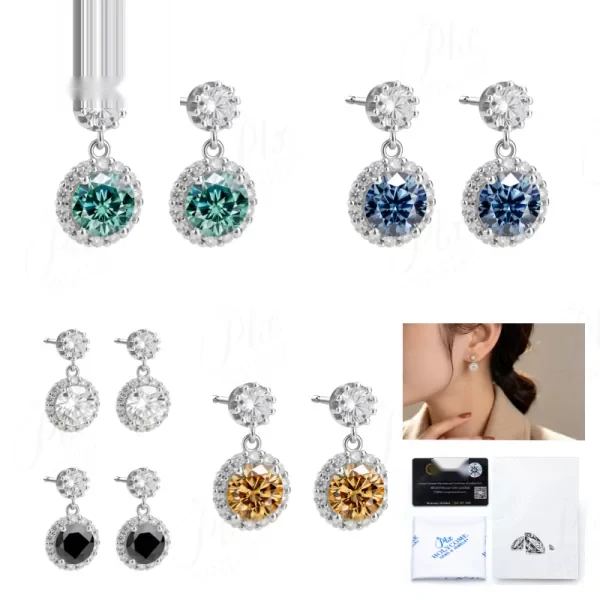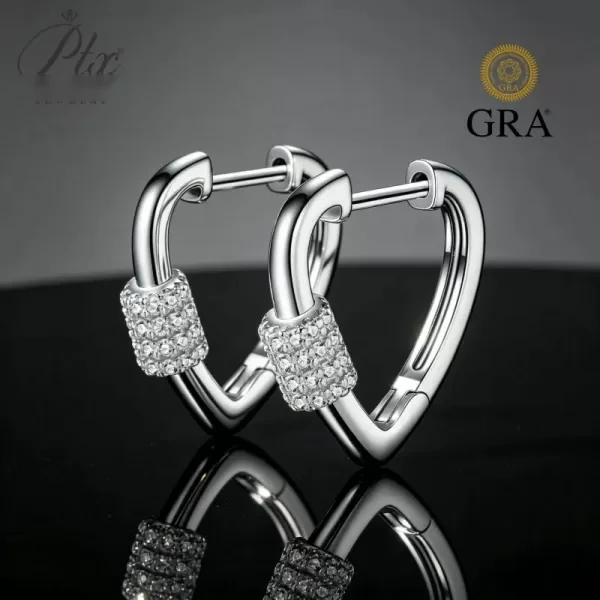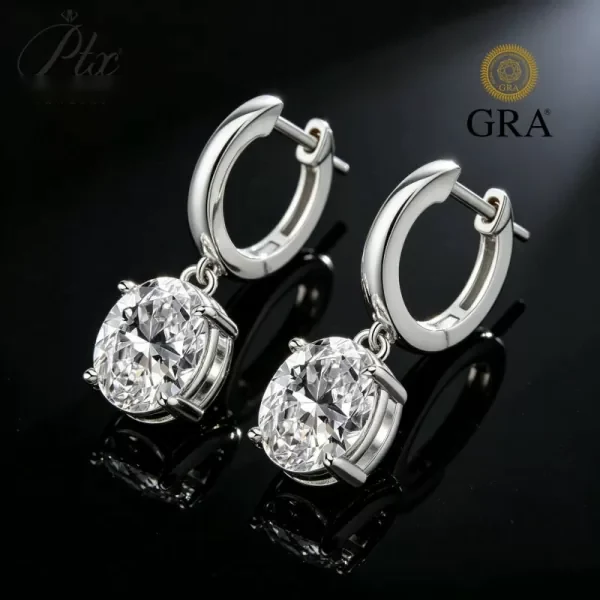
Five beliefs about Trendy Earrings survive because they sound technical. Each one leads to a specification decision that costs money later.
Myth one: harder means more durable
Hardness resists scratching; it does not resist breaking. On Trendy Earrings, a hard stone in a thin setting can chip, while a softer stone in a bezel survives. Durability is the setting and the wear point, not the hardness number.
The right question is where the piece is worn, not what the stone scores.
Seal the approved sample in a bag with the PO number. It is the only physical record that settles a claim without an argument.
Myth two: more gold means better quality
Karat is a purity fraction. An 18K piece is not better made than a 14K piece; it is richer in gold and softer. Bench quality decides the make.
On Trendy Earrings, asking for a higher karat without a bench standard buys cost, not quality.
| Myth | Reality | What to ask |
|---|---|---|
| Harder is tougher | Setting and wear point decide | Seat depth, bezel or prong |
| More karat is better | Purity, not make | Bench standard |
| Certificate is quality | Grades one stone | What is not covered |
| Thicker plate is better | To a tested limit | Microns and adhesion |
| Lower price is lower cost | Landed cost includes claims | Five lines and claim rate |
Read the table as a checklist rather than a recommendation. The right row depends on the price band, the wear pattern and the channel you sell into.
Sample by size run, not from one mixed tray. Defects cluster by size and by design, and a mixed sample hides both.
Myth three: a certificate proves quality
A report grades a stone. It says nothing about the setting, the plating or the finish. A certified stone in a poor setting is still a poor piece.
Read the report for what it covers, then inspect what it does not.
Myth four: thicker plating is always better
Up to a point. An over-thick stressed deposit can crack at the prong tips. The right target is a specified thickness with a tested adhesion.
On Trendy Earrings, ask for microns and an adhesion test, not for 'extra thick'.
Myth five: a lower price means a lower cost
It means a lower quote. The landed cost includes claims, rework and markdowns. A quote 40 percent lower with half the plating usually costs more over a season.
Compare the five cost lines and the claim history, not the number on the quote.
The specification is the product. Two pieces built to the same six lines are the same product even when the price differs; two built to different lines are not.
What to check before the order
Run the five checks below in order. The first two protect the money, the last three protect the launch date.
- Judge durability by the wear point, not hardness.
- Judge make by the bench, not the karat.
- Read what a certificate does not cover.
- Ask for microns and adhesion.
- Compare landed cost, not quote.
If a supplier cannot answer three of the five, treat the quote as a starting point rather than a plan. Ask again in writing and keep the answer with the PO.
Frequently Asked Questions
Is a harder stone better for Trendy Earrings?
For scratch resistance, yes. For chipping, the setting matters more. A bezel protects a softer stone better than a thin prong protects a hard one.
Does 18K mean better quality?
No. It means more gold and a softer alloy. The make is decided by the bench, not the karat.
Does a certificate guarantee quality?
It grades the stone. The setting and plating are outside the report.
Is thicker plating always safer?
Up to a tested limit. Stressed deposits can crack at the prongs.
Why is the cheapest quote often costliest?
Because the savings sit in plating, weight or stone grade, and those come back as claims and markdowns.
How do I know a supplier is reliable?
Two clean repeat lots and two on-time shipments. Before that it is a sample, not a supplier.
Send the Trendy Earrings spec you were quoted. We return a myth check against the five claims and the questions to send back. See the full range at Trendy Earrings and HOLYCOME.
Buyers who get consistent lots are not luckier. They wrote the spec down and checked the first carton against it.