Walk into any online jewelry store and half the listings claim to be "silver tone." Customers cannot tell the difference, and neither can a lot of new retailers until returns start piling up. Sterling silver (ISO 925 sterling silver standard) and stainless steel share a color but almost nothing else under the surface. Knowing where each one wins helps you buy the right stock, price it honestly, and set expectations that actually match what arrives in the mail.
The base chemistry
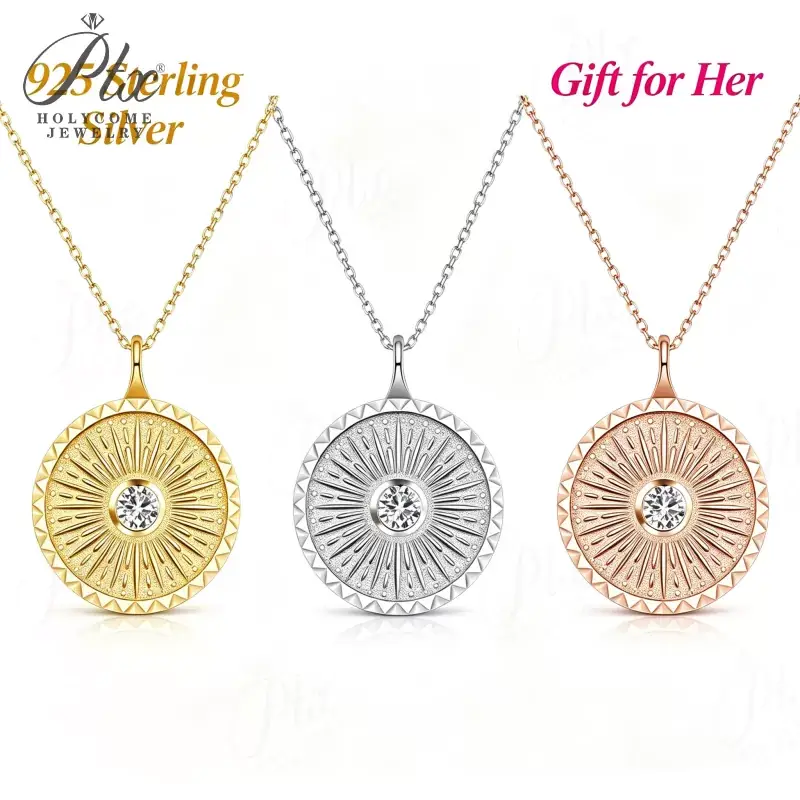
Sterling silver is an alloy of 92.5% pure silver mixed with 7.5% copper, usually stamped 925. It is a precious metal with intrinsic melt value. Stainless steel is mostly iron with chromium and nickel added for corrosion resistance. It is an industrial metal that happens to take a bright polish. That difference is the whole story: silver can tarnish and age gracefully, while steel simply does not react. We break this down further in our overview of what 925 sterling silver actually is. The copper in sterling is also why it can develop a soft patina over years of wear, a quality many collectors actually seek out.
Tarnish and maintenance
Sterling silver reacts with sulfur in the air, perfume, and lotions, which is why it dulls over months. That is not a defect—it is the sign of a real precious metal, and a simple polishing cloth brings it back. Stainless steel almost never tarnishes. If your customer never wants to think about care, steel wins outright. If your customer likes jewelry that patinas and feels personal, silver feels more special. The trade-off shows up in customer support: silver buyers occasionally email about a dark band, which is a quick fix, while steel buyers rarely email at all.
Weight and feel
Silver is denser than steel, so a sterling ring or chain has a reassuring heft in the hand. Steel feels lighter and can sound hollower when two pieces knock together. Customers who pay for perceived luxury almost always notice the weight difference within ten seconds of opening the box. That is why fine fashion jewelry and gifting categories lean silver, while gym and everyday-wear categories lean steel. A heavy sterling chain signals quality; a heavy steel chain just feels cheap.
Hypoallergenic performance
Nickel is the usual culprit behind green ears and itchy wrists. Sterling silver’s copper blend rarely triggers reactions, and rhodium plating adds an extra layer. Some stainless steels, especially cheaper 304 variants, release nickel and can irritate sensitive skin. If your brand sells to sensitive ears, make sure you know the exact alloy before you advertise hypoallergenic claims. Surgical steel (316L) is the safe stainless option, but it costs more and is still not the same experience as wearing solid silver against the skin.
Cost and margin
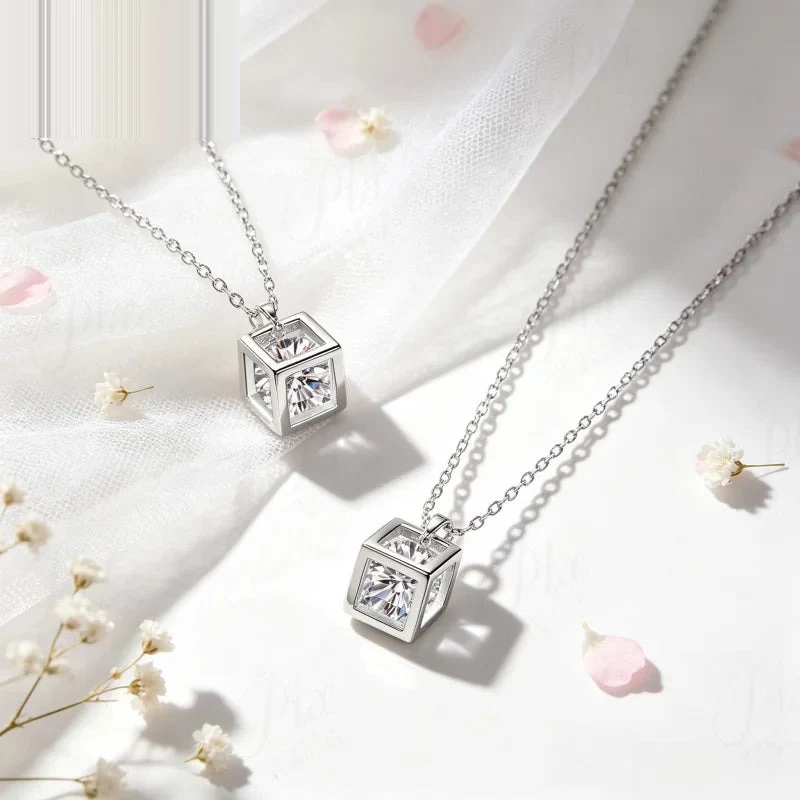
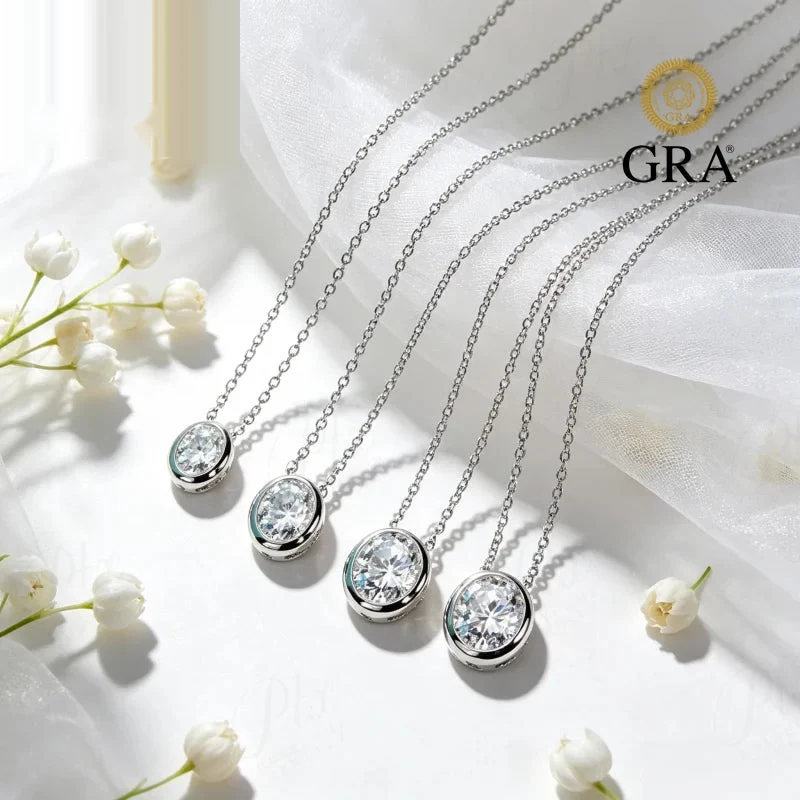
Stainless steel wins on price. Raw steel is dramatically cheaper than silver, which lets you sell a bangle for under fifteen dollars without sourcing a cheap knockoff. Sterling silver costs more up front, but customers expect to pay more and treat the piece as a keepsake. Moissanite set in sterling silver also commands a premium that steel simply cannot justify, because shoppers associate the stone with fine jewelry settings. Steel works for volume; silver works for margin.
Engraving and customization
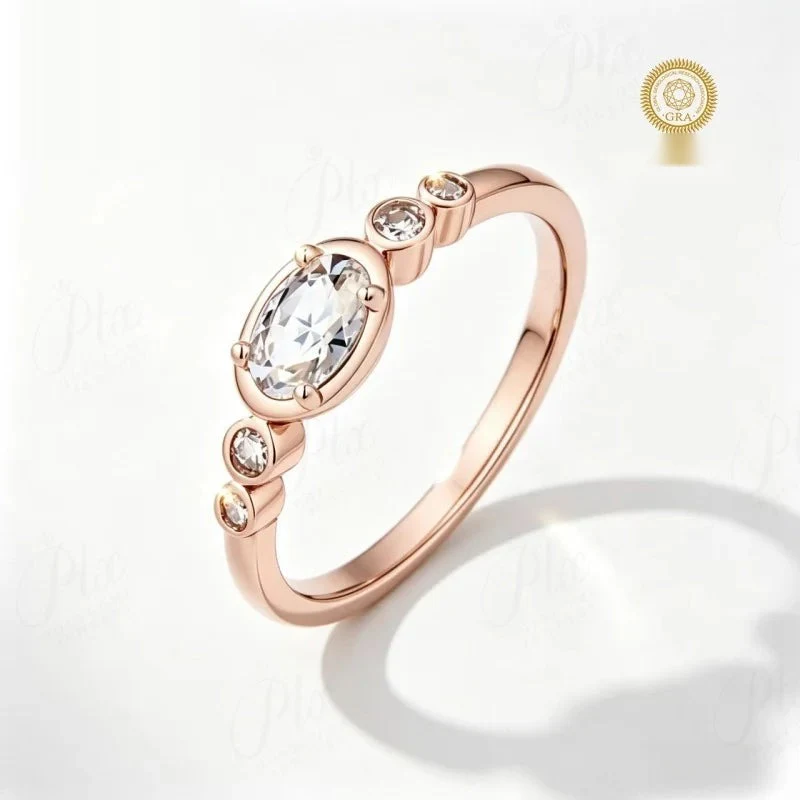
Silver is soft enough to engrave cleanly, stamp, and resize, which makes it ideal for personalized gifts, promise rings, and custom work. Stainless steel is hard on tools; deep engraving takes longer, resizing is difficult, and repairs are pricier. If your store leans into custom or anniversary pieces, silver is the easier road. Steel can still be laser-engraved for simple dates and initials, but the result looks thinner and less hand-finished.
Which should you stock?
Quick material checklist
- Look for a 925 stamp on sterling silver; stainless steel is usually marked 304 or 316L.
- Silver tarnishes and needs polishing; steel does not.
- Silver weighs more and feels denser in the hand.
- Silver engraves and resizes cleanly; steel is harder to modify.
- Moissanite settings almost always call for sterling silver, not steel.
Customers who ask directly about the metal appreciate the honesty. A listing that says "solid 925 sterling silver" or "316L stainless steel" up front filters out the wrong buyer and keeps the right one reading through to checkout, and it quietly builds trust that pays off in repeat orders.
Neither metal replaces the other. Steel is your high-traffic, low-price, no-maintenance workhorse for teens and active wearers. Sterling silver is your margin, gifting, and moissanite category. A smart store carries both and labels them honestly, because customers who know the difference are exactly the ones who come back. The trick is never to sell steel as "silver"—that is how refund rates climb. Use the material as a merchandising filter: one page for everyday steel, one for sterling silver, and let the shopper choose the trade-off that fits their lifestyle.
Frequently Asked Questions
How do I prevent sterling silver from tarnishing in storage?
Use anti-tarnish bags with a sulfur absorber, keep humidity under 60% and avoid paper wrapping. Rhodium plating adds a further barrier on high-turn SKUs.
Is rhodium plating worth the added cost?
Yes for display and gift lines. It resists tarnish for 12–18 months and keeps shelf pieces bright, which reduces markdowns.
What purity do you supply?
925 sterling silver, stamped and hallmarked. Fine silver (.999) is available for beads and bullion-style pieces.
What is the MOQ and lead time?
50 pieces per design, samples 3–5 days, bulk 15–20 days.