Some silver rings shout. Others sit on the finger like a small piece of landscape. Nature-inspired rings, with their leafy bands, winding vines, and sculpted twigs, belong firmly in the second group, and they are quietly one of the most consistent sellers in the 925 (ISO 925 sterling silver standard) silver ring category. The look pairs a little romanticism with a lot of everyday wearability, which is exactly the sweet spot for customers who want something prettier than a plain band but not loud enough for an evening out.
Sterling silver is the ideal material for this style because it takes organic texture beautifully. A cast leaf with visible veins, a branch with a slightly uneven contour, or a vine wrapping the finger all read as crafted and tactile in silver. In gold the same designs can feel costume-like; in silver they read as hand-finished and honest. That tactile quality is why customers pick these rings up again and again when they are browsing.
The designs that consistently sell
Three shapes dominate. First is the leaf ring: a band that splits into one or two sculpted leaves, often with a tiny stone tucked at the center like dewdrop. Second is the twig or branch ring: an uneven, textured band that mimics a slender branch, sometimes with small buds. Third is the vine ring: a thin wrap that spirals around the finger, ending in a small leaf or curl. These three cover most of the demand, and each has a slightly different customer.
Leaf rings skew bridal and romantic. They are a popular alternative for promise rings and smaller engagement budgets, often worn by brides who want something less formal than a solitaire. Twig rings skew toward outdoor and nature lovers: gardeners, hikers, campers who want a piece tied to the natural world. Vine wrap rings skew minimalist and stackable; they layer beautifully with a plain band and a stackable set.
Adding a stone without losing the look
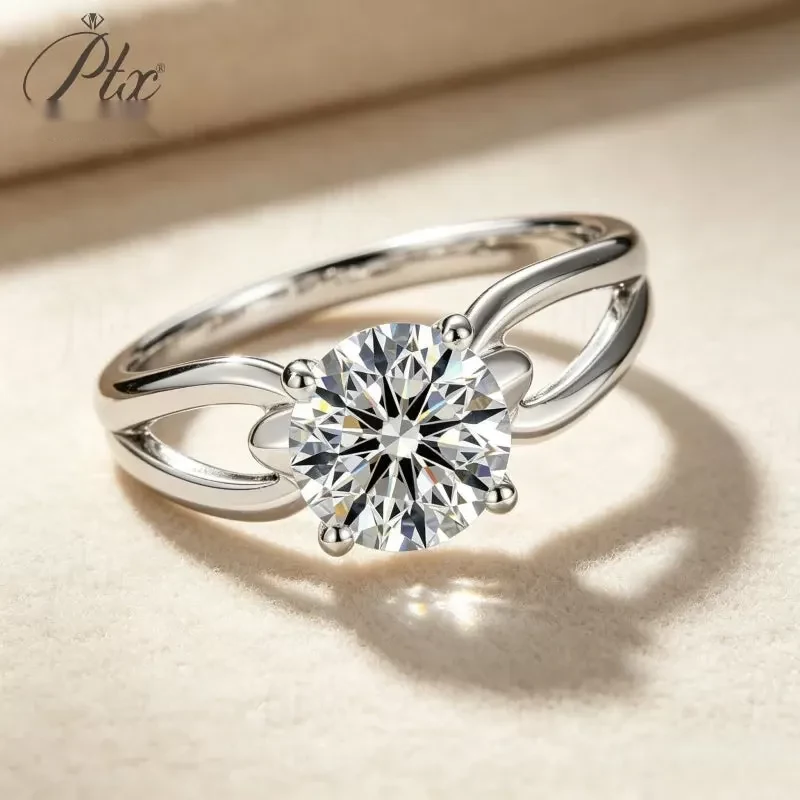
A small moissanite set into a leaf can elevate a nature ring from everyday jewelry to a keepsake. The trick is to keep the stone modest. A 4 mm or 5 mm round, set low in a bezel or between two leaves, reads as dew on a plant rather than a gem display. Anything bigger competes with the organic detail and makes the design look like two ideas fighting. Round cuts work best because they sit naturally in small bezels; fancy cuts need more metal around them and clutter the line.
Oxidation around the veins and crevices makes the texture read more clearly. A polished-only leaf ring looks flat in product photos; the same ring with darkened recesses shows every vein and sells better. Confirm with your supplier whether the design is cast with texture or just engraved on a smooth band, because the difference in perceived quality is large.
Sizing and wear considerations
Nature rings with textured surfaces catch on things more than a smooth band. Twig rings with raised buds can snag sweaters and hair. This is not a flaw, but it is a detail your product copy should handle gracefully. Advise customers who work with their hands or who dislike snagging to choose a flatter vine or leaf design rather than a three-dimensional branch. Include a clear sizing guide, since wide textured bands fit more snugly than thin smooth ones and often need half a size up.
Because the texture holds fingerprints and tarnish more visibly than a polished band, pair the product with a simple care note. A soft cloth and occasional gentle cleaning keeps the veins sharp. Customers who understand this up front are far less likely to complain that the ring "looks dirty" after a month.
Who the customer is, and how to sell it
Nature rings cross several buyer groups. They are popular gifts for anniversaries, birthdays, and "just because" moments, especially when the recipient loves gardening or the outdoors. They sell well in bridal-adjacent lines for non-traditional brides. And they sell to repeat customers who build a botanical stack over time. That breadth makes them a safe, high-return category to keep in stock.
Photograph them on a hand holding leaves, next to a plant, or on a wooden surface rather than a sterile white background. The styling tells the story the product copy cannot. Group them with a matching botanical pendant or earrings if you have them, and the collection starts to look intentional rather than scattered. Over time, that intentionality is what turns a one-ring buyer into a customer who comes back for the whole botanical range.
Nature-inspired silver rings are not the flashiest line you will stock, but they are reliable. They age well, photograph beautifully, and appeal to a wide, loyal customer base. For a retailer who wants steady repeat sales with low return rates, the botanical ring is one of the smartest additions you can make.
Frequently Asked Questions
What ring sizes can you supply in bulk?
US sizes 5–12 including half sizes. Send a size breakdown with your order and we cast to that curve; comfort-fit inner bands reduce resize requests.
Can I order a mixed size run instead of one size?
Yes. Mixed runs are standard for wholesale: specify quantity per size and we pack and label by size at no extra labor cost.
What is the MOQ for custom ring designs?
50 pieces per design for existing molds; 100–300 pieces when a new mold or CAD model is required.
How should I price rings for retail margin?
Most partners use a 3–4x markup on FOB cost for sterling and 2.5–3x for moissanite solos, which keeps landed cost under 30% of retail.