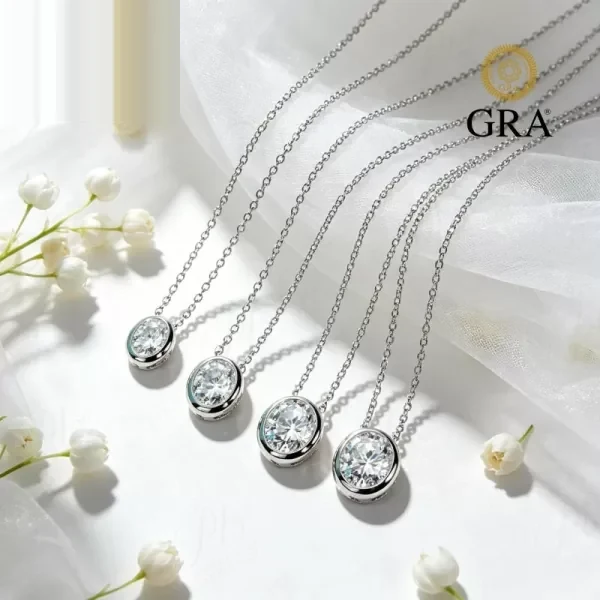
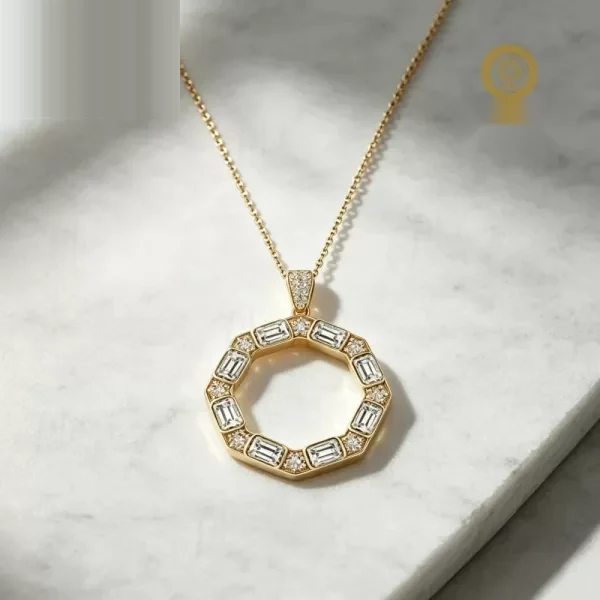
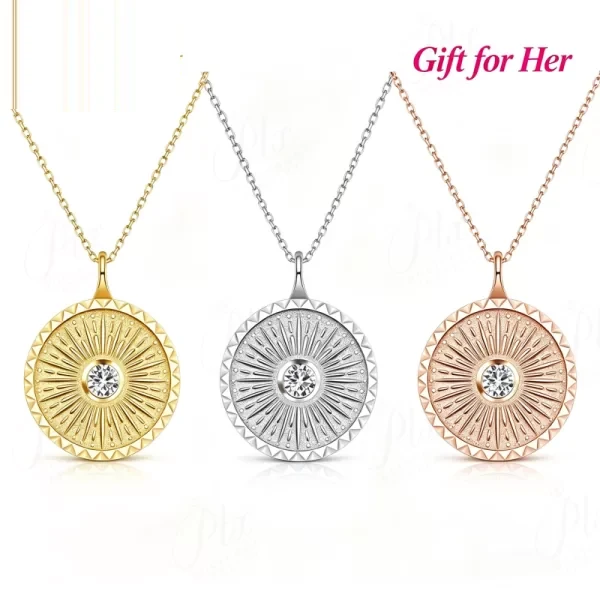
The metal decision on silver necklaces sets the retail price band, the returns rate and the repair policy. It is a commercial choice before it is a metallurgical one.
925 sterling silver: the volume base
Sterling is 92.5 percent silver with copper and a trace of other metals. On silver necklaces, it is the metal that makes a USD 30 to 90 retail price possible, and it is the metal most exposed to tarnish and plating wear.
The two variables that decide quality are alloy source and plating thickness. A good sterling piece with 0.8 micron rhodium outlasts a cheap piece with 0.3 micron by a full season.
Compare five cost lines instead of two totals. Metal, stone, labour, finishing and overhead explain a gap that a single number hides.
14K and 18K gold: price band and repair
14K is 58.5 percent gold and is the US mass-market standard. 18K is 75 percent gold, softer, richer in colour, and more expensive to repair. On the same design, the metal line alone can double the cost.
For silver necklaces sold at USD 300 and above, 14K is usually the right call. 18K belongs in the bridal and heirloom tier.
| Metal | Purity | Wear | Price band | Best for |
|---|---|---|---|---|
| 925 silver | 92.5% Ag | Needs plating | Entry | Volume programs |
| 14K gold | 58.5% Au | Good | Mid | US retail core |
| 18K gold | 75% Au | Softer | High | Bridal, heirloom |
| Platinum | 95% Pt | Excellent | High | Daily-wear bridal |
Read the table as a checklist rather than a recommendation. The right row depends on the price band, the wear pattern and the channel you sell into.
Build the landing date from ship date plus transit plus clearance. Planning from the ship date alone makes every season a week late.
Platinum and palladium: the niche
Platinum is denser, naturally white and needs no plating, which is why it holds up in daily-wear bridal. The trade-off is price volatility and a smaller repair network.
Keep platinum as a made-to-order option on silver necklaces, not as stock.
How to specify metal so it is enforceable
Write four things: alloy and purity, gram weight per size, stamp, and nickel release standard. Add the assay or XRF check you will run on the first lot.
A metal claim without a gram weight is a claim without a cost basis, and the quote will drift at the first size change.
The specification is the product. Two pieces built to the same six lines are the same product even when the price differs; two built to different lines are not.
What to check before the order
Run the five checks below in order. The first two protect the money, the last three protect the launch date.
- Specify alloy, purity and gram weight per size.
- Ask for the plating thickness in microns.
- State the nickel release standard.
- Run XRF on the first lot.
- Match metal to the retail price band, not to taste.
If a supplier cannot answer three of the five, treat the quote as a starting point rather than a plan. Ask again in writing and keep the answer with the PO.
Frequently Asked Questions
Is 925 silver good enough for silver necklaces?
For volume programs at entry price, yes, provided the plating is 0.8 micron or better and the alloy source is named.
Does 18K wear faster than 14K?
It is softer, so it scratches more easily, but it does not tarnish. The repair cost is higher because of the gold content.
What plating should silver carry?
Rhodium for white, and e-coat over rhodium for extra tarnish resistance. Ask for the micron number, not the trade name.
Can I mix metals in one order?
Yes, but expect separate MOQs and separate lead times. Mixed-metal orders also complicate the QC sampling.
How do I verify the gold content?
XRF on the first lot plus the mill certificate. A stamp alone is a claim, not a test.
Should I buy stock or made to order?
Stock for the top three designs, made to order for the tail. Stock cover is a calculation from sell-through and lead time.
Send the silver necklaces design and retail price band. We return a metal comparison with gram weight, plating microns and the landed cost at each purity. See the full range at Silver Necklaces and HOLYCOME.
The short version: specify the number, seal the sample, inspect against both. Everything else is negotiation.