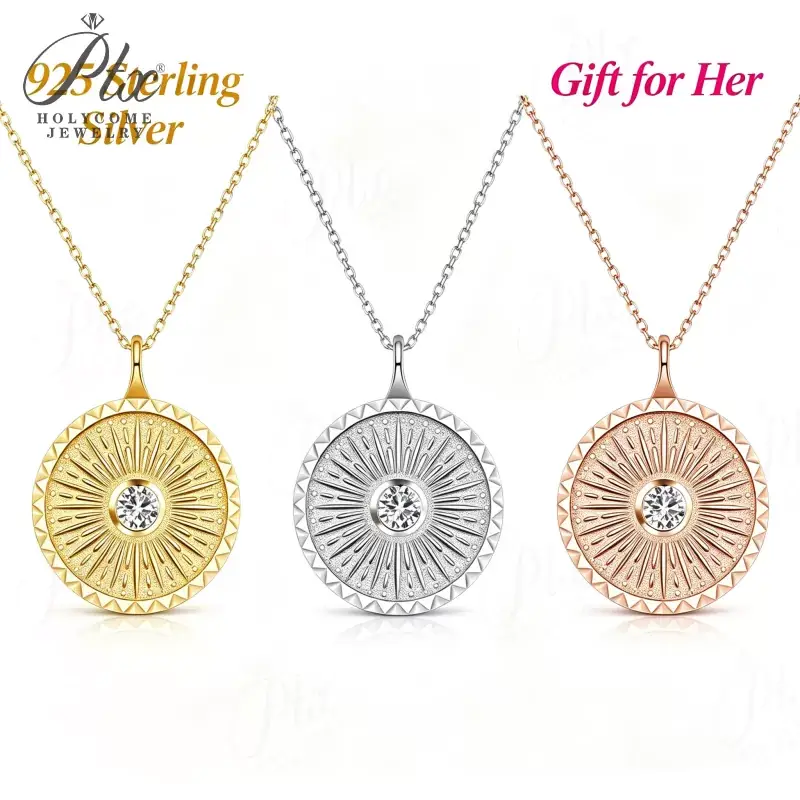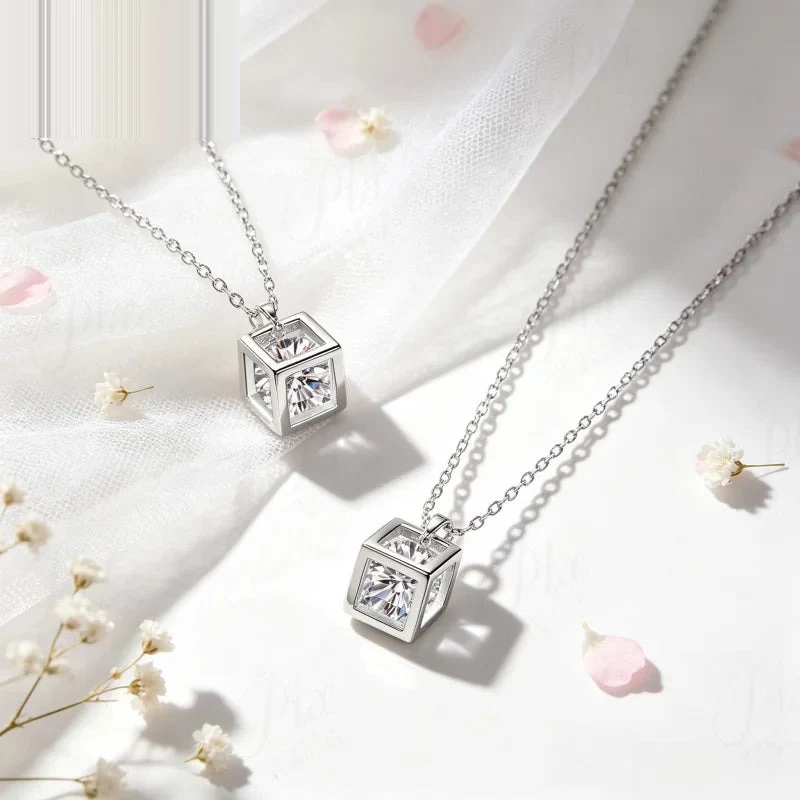
Silver Jewelry Trends 2026
Sterling silver has spent the last few years quietly reclaiming ground that gold owned for over a decade. In 2026, that shift is no longer a whisper. Silver is the metal customers reach for first when they want something that feels current, wearable and honest about its price. The mood is less about flash and more about personality: pieces that stack, layer and mix without dictating a single look. This guide walks through the trends shaping the year, why each one is gaining traction, and how retailers and shoppers can make the most of them without overspending or buying pieces they will never actually wear.
The cultural context matters. After years of logomania and fast fashion, shoppers are turning back to materials that age well and designs that do not scream a specific season. Sterling silver fits that mood perfectly. It is cool-toned, versatile and priced so that building a small collection feels accessible rather than stressful. It also pairs naturally with the quiet luxury wardrobe of tailored knits, straight-leg denim and minimal tailoring that has dominated street style for several seasons.
Why Sterling Silver Owns 2026
The comeback of silver is rooted in practicality as much as aesthetics. Sterling silver sits at a price point that lets buyers experiment without the guilt of a gold investment. A customer can buy three silver rings for the price of one thin gold band, which is exactly how the stacking and layering trends got started. Silver also pairs naturally with casual workwear, weekend denim and evening tailoring, and it accepts a wider range of finishes than yellow gold. Brushed, oxidized, rhodium-dipped and high-polish silver each read differently, which lets one metal carry an entire wardrobe from morning to night.
Customers also want jewelry that does not pretend to be something it is not. Silver wears its identity on its sleeve: it tarnishes, it ages, it develops a patina, and that honesty has become part of its appeal rather than a flaw. A 925 stamp is no longer a compromise; it is a signal of real metal that can be worn daily without fear of ruining a precious object. For background on what the stamp means and how to read it, see our guide to 925 sterling silver.
Retail data supports the shift. Search volume for sterling silver jewelry has climbed steadily since 2023, while search interest in yellow gold fashion pieces has flattened. The customers driving this are not budget shoppers; they are mid-range buyers who intentionally choose silver over gold because it feels more modern, less formal and easier to wear every day. They are also younger, which means this demographic shift is likely to compound rather than reverse.
The Return of Statement Silver Rings
After years of delicate midi bands, 2026 is about rings with presence. Wide sculptural bands, signet-style ovals and carved geometric shapes are landing on the fingers of stylists, influencers and everyday shoppers. The chunky ring works because it needs no other jewelry: one bold band on the index or middle finger carries a simple t-shirt and jeans outfit. It is the jewelry equivalent of a structured blazer: it does most of the work, and the rest of the outfit stays simple.
This trend is not monolithic. Within the statement ring movement, three sub-styles are emerging. Oxidized signets with engraved crests have a vintage, slightly gothic mood. Smooth dome bands catch light like a polished pebble and read as modern minimalism. Open geometric rings wrap around the finger with negative space, which feels architectural. Each pairs well with the stackable silver rings trend, because a bold anchor band invites thinner companions on adjacent fingers.
The width range that is selling best sits between 4mm and 8mm. Narrower than that and the ring loses its presence; wider than that and it starts to feel costumey for everyday wear. Customers are also choosing comfort-fit interiors even on wide bands, because a 6mm ring with a sharp inner edge digs into the skin by lunchtime. Our wide-band silver rings guide covers the silhouettes that are enduring rather than fleeting.
Layered Necklaces Are the Everyday Uniform
Single-pendant necklaces feel dated. The default look in 2026 is a curated cluster of two to four chains at different lengths, each with its own pendant or texture. The approach is deliberate rather than chaotic: a 16-inch cable chain with a small charm, an 18-inch Figaro with a tiny bar, and a 20-inch rope chain with a longer drop create a vertical line that draws the eye down the torso. The effect is elongated, layered and styled, even when the rest of the outfit is minimal.
What makes layered necklaces work in silver specifically is the cool tone. Silver chains do not compete with skin tone the way gold can, and thin sterling chains are light enough that four of them together still feel weightless. Retailers are responding by selling pre-layered sets, but customers prefer to mix their own because personalization is the point. See our no-tangle layering method for the exact chain-length formula and clasp tricks that make daily layering painless.
The most popular layering formula right now is three chains: a choker-length cable at 14 to 16 inches, a princess-length Figaro at 18 inches, and a matinee-length rope at 20 to 22 inches. Pendants stay small: a 10mm circle, a 20mm bar, a single bead. Large pendants break the rhythm because they demand too much attention at once. Customers who want a fourth chain usually go longer, to 24 or 30 inches, and leave it bare or with a single small charm.
Moissanite Set in Sterling Silver Goes Mainstream
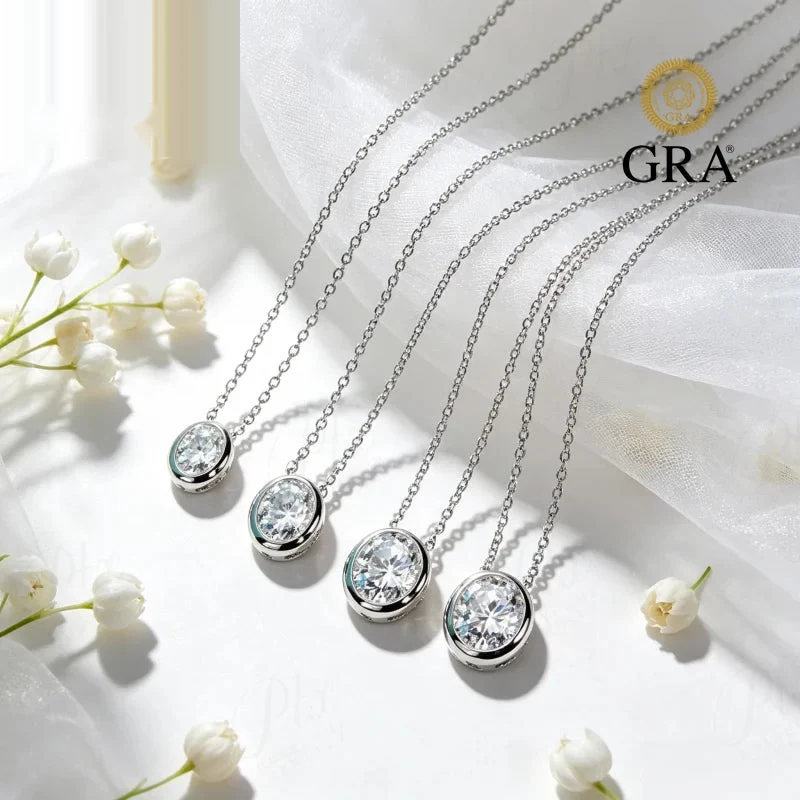
The most important commercial trend in silver jewelry this year is the pairing of moissanite with sterling silver. Customers want the look of a colorless, brilliantly refractive stone without the price of a diamond, and silver is the metal that makes that combination accessible. A 1-carat equivalent moissanite stud or pendant set in 925 silver retails at a fraction of the equivalent white-gold piece, and the cool silver tone complements moissanite fire better than warm gold, which can make colorless stones look yellowish by comparison.
This is not a compromise purchase for most buyers. It is a deliberate choice: they research the stone, compare it to diamond, and choose moissanite for its ethics, durability and value. The conversation has shifted from is it real to why would you buy anything else. Our overview of why moissanite and sterling silver define affordable luxury covers the customer psychology in detail, including why this combination is driving average order values upward across independent retailers.
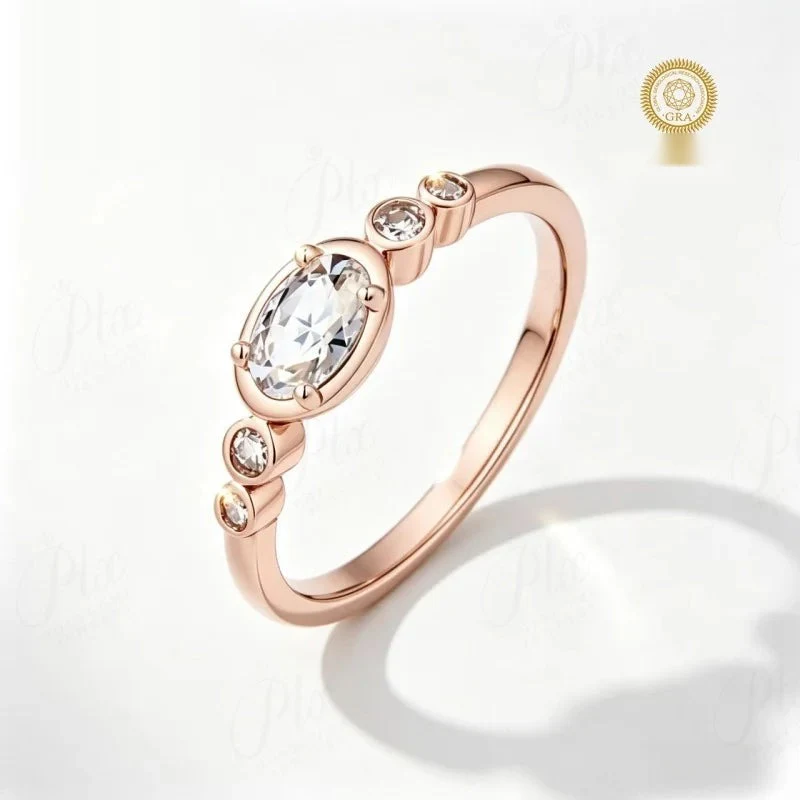
The most popular moissanite-in-silver pieces are stud earrings, solitaire pendants and promise rings. Studs at 5mm are the entry point; once a customer trusts the stone, they move up to pendants and rings. Colored moissanite in champagne, gray and green is the fastest-growing sub-segment, especially set in oxidized silver for a moody, modern look. Our colored moissanite guide covers which shades retailers should stock first.
Vintage and Signet Silhouettes
2026 is borrowing from the past. Signet rings, filigree bands and old-world solitaires are appearing alongside modern minimalism. The difference from a few years ago is that these pieces are no longer costume nostalgia; they are crafted in solid sterling silver with real stone settings, and they are designed to be worn every day rather than saved for costume parties. The revival is detailed: milgrain edges, hand-engraved shoulders, bezel settings and filigree under-galleries are all back as serious design elements.
The signet ring deserves special attention. Once a masculine, family-crest piece, it is now unisex, often worn on the pinky or index finger by people of all genders, and frequently engraved with initials, astrological symbols or tiny illustrations. The modern signet is smaller than its Georgian ancestor, usually a 12mm oval, and worn thin so it does not overwhelm the hand. Our sterling silver signet ring guide breaks down the historic and modern shapes, and explains how to order a custom engraving that will actually be legible.
Sustainable and Traceable Silver
Customers are asking where their silver comes from. Recycled sterling, traceable supply chains and ethical gemstones are moving from marketing language to purchase criteria. Moissanite benefits doubly here: it is lab-grown, so it carries no mining controversy, and when it is set in recycled 925 silver the entire piece can be described as low-impact. This is not a fringe concern; it is now a mainstream question that younger buyers expect answered on product pages, and brands that cannot answer it are losing shelf space to those that can.
The sustainability conversation in silver is more mature than it used to be. Customers are no longer impressed by vague eco-friendly claims. They want percentages: 90 percent recycled content, 100 percent recycled, third-party certified. They want to know the refiner, the factory and the stone source. Our sustainable jewelry overview explains what buyers are actually asking for and how brands can answer honestly.
How to Stock for 2026
For retailers, the 2026 silver assortment should balance anchors and companions. Anchor pieces are the bold rings, the cuffs and the longer pendant necklaces that make a statement. Companion pieces are the thin bands, tiny studs and short chains that customers buy two or three of at a time. A healthy mix is roughly 30 percent anchors and 70 percent companions, because companions drive repeat purchases and average order value. Anchors bring customers in; companions keep them coming back.
| Category | 2026 Focus | Why It Sells |
|---|---|---|
| Rings | Bold signets + thin stackables | Anchor plus repeat buys |
| Necklaces | Layerable chains 16-24 inch | Drives multi-piece orders |
| Earrings | Moissanite studs and pave hoops | Everyday entry price point |
| Bracelets | Charm and chain stacks | Gifting and personalization |
Inventory depth matters more than breadth. It is better to stock five ring styles in ten sizes each than twenty styles in two sizes each, because customers who cannot find their size leave and do not return. The seasonal inventory calendar guide helps plan which pieces peak in which months, so you are not stuck with winter holiday pieces in summer.
Care and Maintenance for Silver Pieces
Silver tarnishes, and that is not a flaw. It is part of the material. Educating customers on simple care steps prevents returns and builds trust. Store pieces in anti-tarnish cloth bags, avoid spraying perfume directly onto silver, and clean with a polishing cloth rather than dips that strip patina. Regular wear actually keeps silver brighter than long-term storage, because skin oils slow tarnish. The biggest surprise for new silver owners is that wearing their pieces daily is better than storing them carefully.
Customers also need to know what not to do. Do not wear silver in chlorinated pools, because chlorine pits the metal. Do not wash dishes wearing silver rings, because dish soap accelerates tarnish and the friction can scratch stones. Do not use silver dips on pieces with engraved details, because the dip darkens crevices unevenly. Our care guide for moissanite silver jewelry gives customers a one-page reference they can keep with their jewelry box. The tarnish chemistry guide explains why it happens in the first place, which makes care instructions feel logical rather than arbitrary.
Silver for Men in 2026
Men silver jewelry has grown from a niche category into a mainstream staple. The 2026 menswear look is not the old biker-chain stereotype; it is a thin silver chain, a signet ring, a slim bracelet, and a pair of small studs. Men are no longer limited to watches and wedding bands. The unisex trend that started in womenswear has fully crossed over, and men are embracing signet rings, layered necklaces and ear curation that would have felt unusual five years ago. The men silver jewelry guide covers the specific shapes and widths that sell for male customers, who often prefer matte finishes and heavier weight.
The key for men is restraint. One silver chain at 2mm, one signet ring on the pinky, one thin bracelet. Men who over-stack look like they are playing dress-up. The modern menswear jewelry aesthetic is the same as the minimalist womenswear aesthetic: fewer pieces, better made, worn every day. This convergence is one of the reasons silver is growing so quickly: it works for everyone, on every gender, without needing a separate product category.
The Price Point Sweet Spot
Silver jewelry in 2026 occupies a sweet spot that no other metal can match. A well-made sterling silver ring retails between thirty and eighty dollars. A moissanite silver pendant between fifty and one hundred fifty. A pair of moissanite studs between forty and one hundred. These prices are low enough to be impulse purchases but high enough to feel like real jewelry, not fast fashion. Customers buy silver pieces for themselves without waiting for a special occasion, which is why the category grows faster than fine gold jewelry.
This price point also drives gifting. A silver necklace is a ten-year anniversary gift, a thank-you gift, a teacher gift, a bridesmaid gift. It is not so expensive that giving it causes financial stress, but it is not so cheap that it feels thoughtless. Brands that nail this price band and pair it with good packaging and a handwritten note win repeat gifting customers. The gift buying guide breaks down which price brackets suit which occasions.
Silver Skin Compatibility and Allergies
Sterling silver is one of the most skin-compatible mainstream jewelry metals, but it is not universally hypoallergenic. The standard 925 alloy contains 7.5 percent copper, which occasionally causes greenish discoloration on sensitive skin. This is not an allergy; it is a chemical reaction between copper and skin oils, and it washes off. For people with true nickel allergies, sterling silver is usually safe because the standard alloy does not contain nickel. Cheap silver-plated fashion jewelry is the usual culprit for reactions, because the underlying brass or nickel shows through as the plating wears.
Rhodium plating adds an extra barrier. A thin rhodium layer over sterling silver prevents direct skin contact with the copper, which eliminates the green discoloration for most wearers. The plating wears off after one to two years of daily wear, but it can be reapplied. For customers with very sensitive skin, solid 925 with a fresh rhodium coat is the safest daily-wear option. The hypoallergenic guide covers which alloys to avoid and how to test a new piece for reactions. The sensitive ears guide covers the specific considerations for earring posts, which sit in skin longer than rings.
How to Care for Silver Travel
Silver and travel do not mix well unless planned for. Cabin air is dry and accelerates tarnish, hotel safes trap moisture, and airport security trays scratch soft metal. Pack silver in anti-tarnish cloth bags, not loose in a toiletry bag. Wear one piece on the plane rather than packing it, because body oils keep it bright. For beach destinations, leave moissanite pieces in the hotel safe and wear plain silver, because saltwater and sand scratch settings.
After a trip, clean silver pieces immediately, especially if they have been exposed to sunscreen, bug spray or salt air. A polishing cloth removes residue before it tarnishes. The silver ring cleaning guide covers post-trip cleaning, and the care guide covers how to inspect stones after travel, because altitude and pressure changes can occasionally loosen prongs.
Frequently Asked Questions About Silver Jewelry in 2026
Customers have consistent questions about silver jewelry, and having clear answers builds trust. The most common question is whether silver tarnishes and how to stop it. The answer is that it does tarnish, and that is normal; the solution is regular wear and a polishing cloth, not a coating that will wear off. The second common question is whether sterling silver is real silver. The answer is yes: 92.5 percent pure silver alloyed with copper for strength. The third is whether silver goes out of style. The answer is that sterling silver is a perennial metal that has been worn for centuries, and the designs within it cycle, but the metal itself does not.
Customers also ask whether they can wear silver every day. The answer is yes, and daily wear actually keeps it brighter than storage. They ask whether silver can be worn in water. The answer is that showering occasionally is fine, but swimming in pools or hot tubs is not, because chlorine pits silver. They ask whether silver turns skin green. The answer is that cheap plated silver does, but solid 925 rarely does, and any discoloration washes off. The tarnish guide answers these in detail, and the cleaning guide gives the practical routine.
Final Thoughts
The silver trends of 2026 reward shoppers who buy deliberately. Whether you start with a single moissanite stud or build a full layered stack, the pieces that last are the ones chosen for daily wear rather than seasonal fashion. Sterling silver and moissanite make that approach accessible, because they offer real materials and real sparkle at prices that let people experiment. The year ahead is about building a personal collection, not following a trend. Buy pieces you will reach for every morning, care for them simply, and let them develop the patina that makes them yours.
The most successful silver wearers do not chase every trend. They anchor their collection in a few well-chosen pieces and add selectively over time. A silver signet, a moissanite stud, a thin layered chain: these are the pieces that define a personal style. Trends come and go, but well-made sterling silver pieces adapt to whatever wardrobe you build around them. That is the lasting appeal of the metal: it is a canvas, not a statement on its own.
Whether you are shopping for yourself or stocking a store, the message is consistent: choose real 925 silver, choose stones you understand, and choose pieces you will actually wear. The trends of 2026 are not dictated by runways; they are dictated by how people actually live. Silver works for desk jobs, for weekends, for weddings and for workouts. It is the most versatile metal we have, and this year it is getting the attention it has always deserved.
Looking Ahead
The silver trends of 2026 are not fads. They reflect a long-term shift toward wearable, personal, honest jewelry. Customers are not buying status symbols; they are building collections. The winners in this space will be brands that offer mixable pieces, transparent materials and honest pricing. Sterling silver and moissanite sit at the center of that shift, and the year ahead rewards brands that treat them as the modern classics they have become. Whether you are a shopper building your first silver collection or a retailer planning inventory, the message is the same: buy less, buy better, and buy pieces that will still feel right in a decade.
Related Articles
- Moissanite Engagement Ring Trends 2025
- TikTok Jewelry Trends: What's Going Viral and How to Capitalize
Sterling silver terminology used in this guide follows the Wikipedia entry on sterling silver.
Frequently Asked Questions
How do I prevent tarnish in storage?
Anti-tarnish bags with a sulfur absorber, humidity under 60% and no paper wrap. Rhodium plating adds a further barrier.
Is rhodium plating worth it?
Yes for display and gift lines: it holds colour 12 to 18 months and cuts markdowns.
What purity do you supply?
925 sterling, stamped and hallmarked; fine silver available for beads.
What is the MOQ and lead time?
50 pieces per design, samples 3 to 5 days, bulk 15 to 20 days.