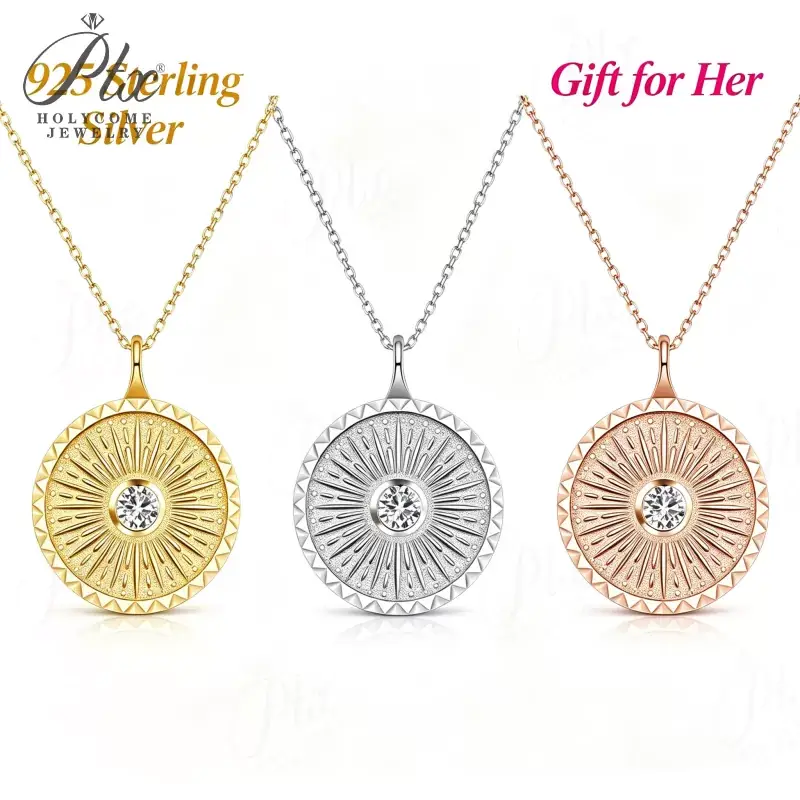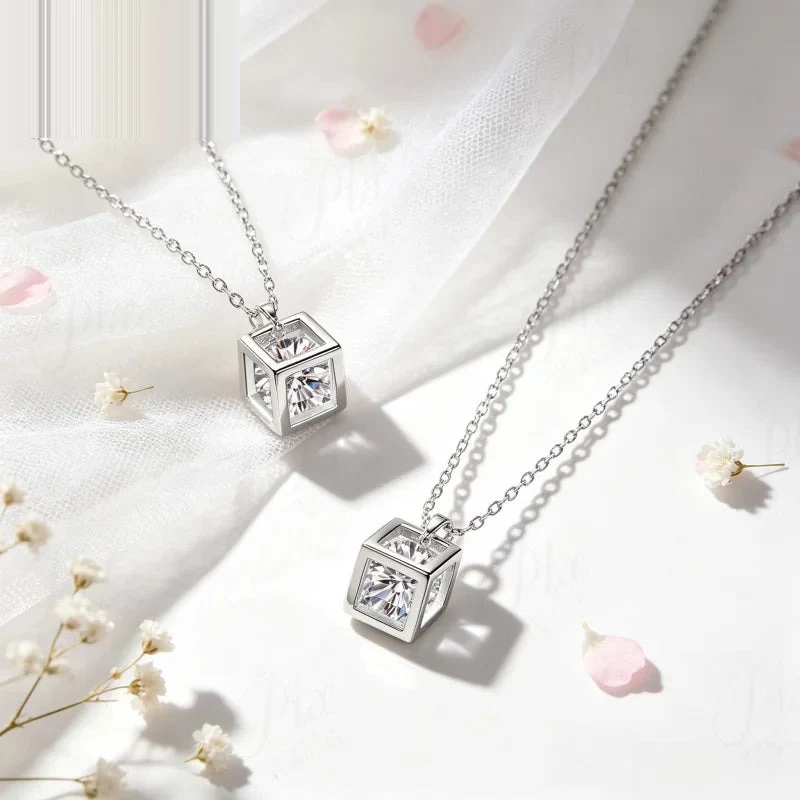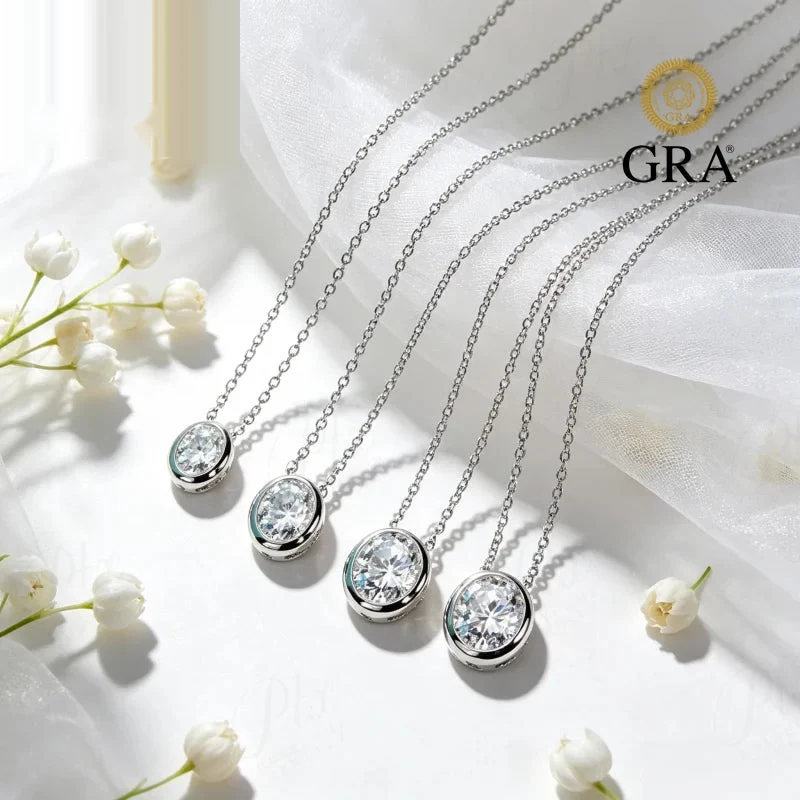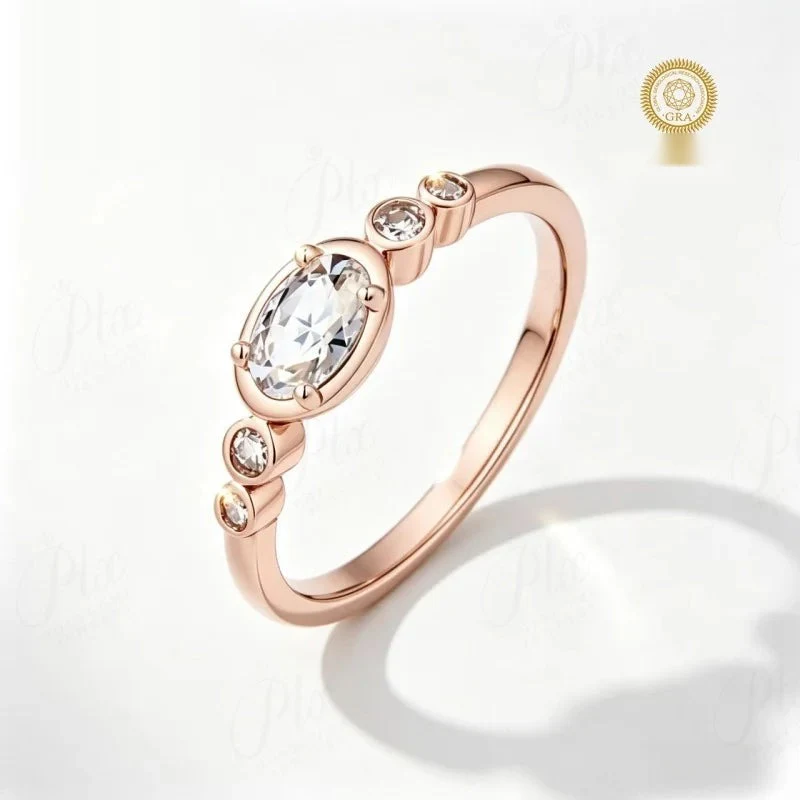
Most people blame tarnish when their favorite sterling silver necklace loses its shine. They buy a polishing cloth, buff the piece, and assume the problem is solved. In reality, the slow, daily damage is rarely coming from air exposure alone. It is coming from the bottle on the vanity. Perfume, hairspray, body lotion, hand cream, sunscreen and even some facial mists contain alcohol, sulfates, fragrance oils and bonding agents that attack the metal strip and the rhodium finish protecting it. If you sell or wear 925 sterling silver, understanding this chemistry is the difference between jewelry that looks new for years and jewelry that looks tired in months.
What these products actually do to silver
Sterling silver is an alloy of 92.5 percent silver mixed with copper and other metals for strength. That copper content is precisely what reacts with sulfur in the air to create tarnish. Alcohol-based sprays and fragrances accelerate that reaction by drying out the protective oxide layer on the surface and depositing oily residues that trap dirt against the metal. Over time, the skin of a polished or rhodium-plated piece begins to look hazy rather than bright, and the discoloration settles into crevices around prongs, chain links and engraved details.
Moissanite itself is highly resistant to chemicals, so the stone is usually not the problem. The setting around it is. Prongs can loosen when residue builds up underneath, and the prongs are exactly the parts that hold a moissanite center stone in place. A ring that looks merely dull can, a few months later, start turning because the gunk underneath the head has softened the seat.
The spray-and-dress order matters
The single easiest habit to change is the order of operations. Spray perfume, apply hairspray, smooth on lotion and sunscreen, and wait until each is fully absorbed or dry before you put jewelry on. Fragrance oils need roughly three to five minutes to set into skin and hair. If you slip a silver ring on immediately after spritzing your wrists, the alcohol sits against the metal for hours. The same logic applies to getting dressed: jewelry should be the last thing you put on and the first thing you take off when you get home.
This is not a fussy rule. It is the reason two people can own the exact same ring and one piece looks five years older. The customer who waits for perfume to dry is the one whose ring still looks showroom-new.
Household chemicals people forget about
Beyond the vanity, ordinary home products are surprisingly hard on silver. Dish soap with lemon or bleach, window cleaner, abrasive soft scrubs, kitchen cleaners and even the chlorine in a hot tub can all strip a rhodium flash or leave a film. Cooking with turmeric or tomato-based sauces while wearing rings is another quiet offender. None of these will destroy a ring in one session, but repeated exposure adds a dull, matte cast that polishing cloths cannot fully remove because the damage has penetrated the plating.
For customers who ask what to remove before a task, give a short list: washing dishes, cleaning the bathroom, swimming in a chlorinated pool, applying self-tanner, and handling hair dye or bleach. A small jewelry dish by the sink and another by the bathroom mirror removes the temptation to just leave the ring on.
How to reverse the damage once it happens
If a piece already looks hazy, start with the gentlest approach. Warm water, a drop of mild dish soap, and a soft baby brush worked gently into the prongs will lift most residue without scratching the surface. Pat dry with a lint-free cloth. Skip toothpaste, baking soda pastes and dips designed for silver if the piece has moissanite or any plating, because these are abrasive and can strip finishes unevenly.
For stubborn tarnish, a dedicated silver polishing cloth works well. Store pieces individually in anti-tarnish bags or airtight containers rather than piled together, since scratching and chemical transfer between pieces quietly age them faster. The goal is not to live in fear of your jewelry. It is to keep the chemistry predictable so the metal stays bright and the stones stay secure.
A simple routine that prevents most damage
You do not need an elaborate maintenance ritual. Five habits cover nearly everything. First, put jewelry on last, after sprays and lotions have dried. Second, take it off before showering, cleaning or swimming, because steam and chemicals both speed up dulling. Third, wipe pieces with a soft cloth after wearing them to remove skin oils. Fourth, store silver away from direct sunlight and humidity, ideally in a pouch or a lined box rather than on an open vanity tray. Fifth, inspect prongs and clasps now and then, because a loose setting is the one problem a cloth cannot solve.
For brands that sell this kind of jewelry, printing a small care card with these five steps is a low-cost touch that dramatically improves customer satisfaction. Buyers who understand what to avoid keep their pieces looking new, post better photos, and come back for the next piece. The chemistry of silver is not complicated once the everyday habits are sorted, and that predictable routine is what turns a single purchase into a long-term customer relationship.
The 92.5% silver composition and properties of sterling silver are described in the Wikipedia entry on sterling silver.
Frequently Asked Questions
How do I prevent sterling silver from tarnishing in storage?
Use anti-tarnish bags with a sulfur absorber, keep humidity under 60% and avoid paper wrapping. Rhodium plating adds a further barrier on high-turn SKUs.
Is rhodium plating worth the added cost?
Yes for display and gift lines. It resists tarnish for 12–18 months and keeps shelf pieces bright, which reduces markdowns.
What purity do you supply?
925 sterling silver, stamped and hallmarked. Fine silver (.999) is available for beads and bullion-style pieces.
What is the MOQ and lead time?
50 pieces per design, samples 3–5 days, bulk 15–20 days.