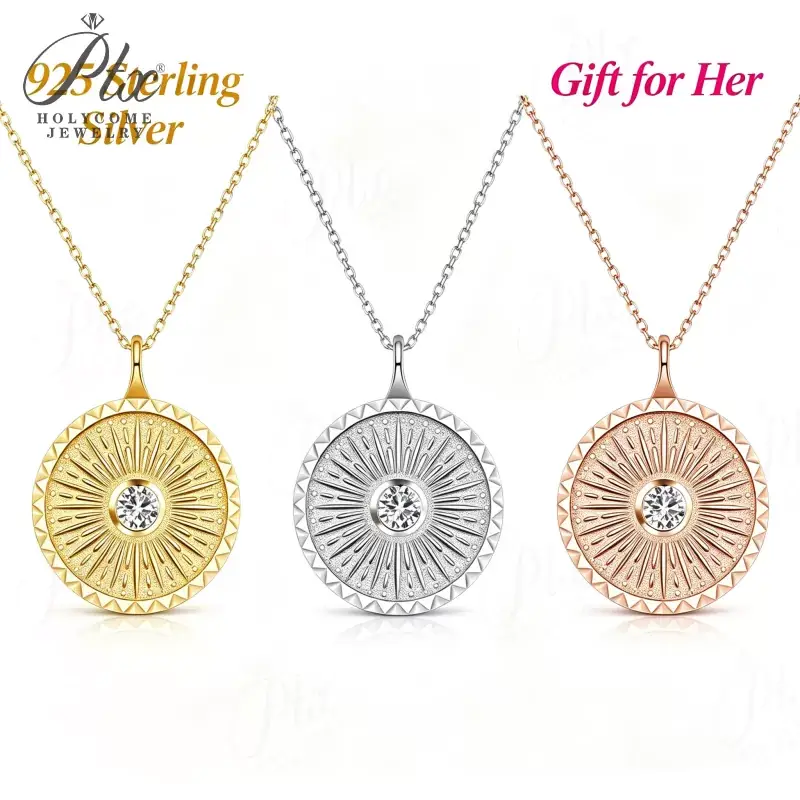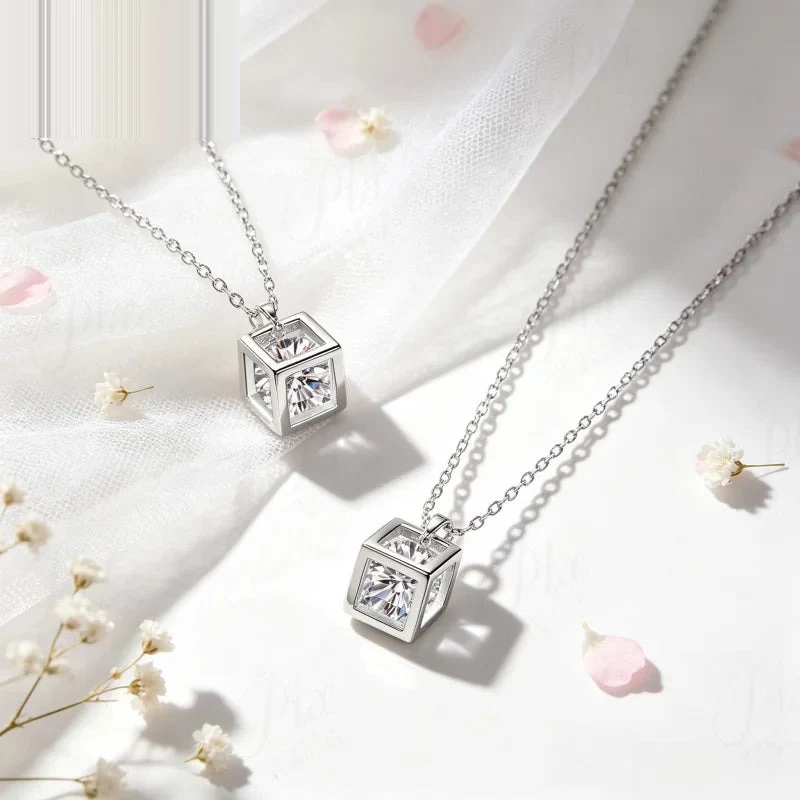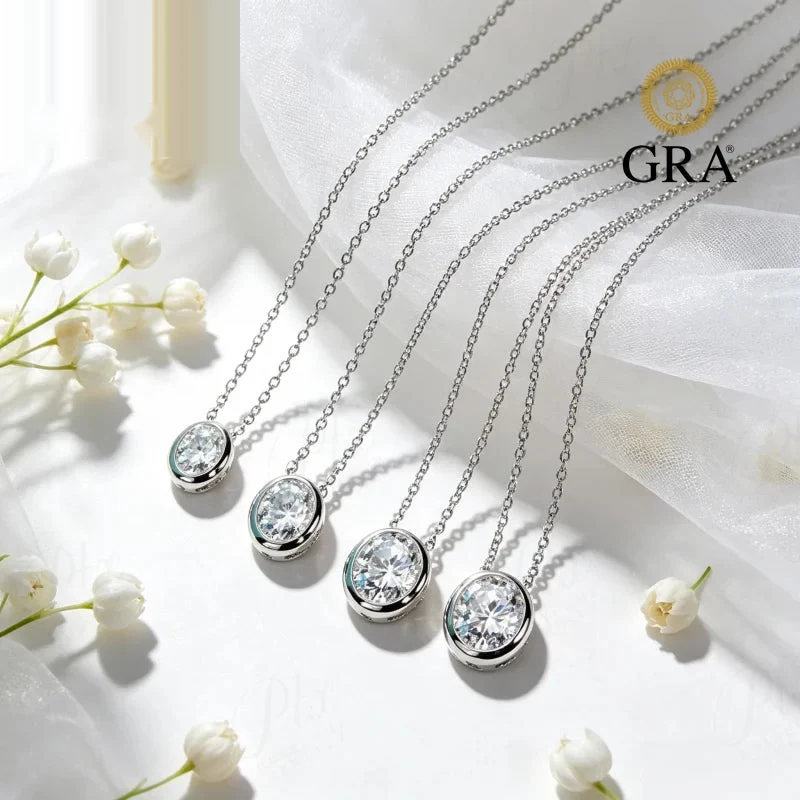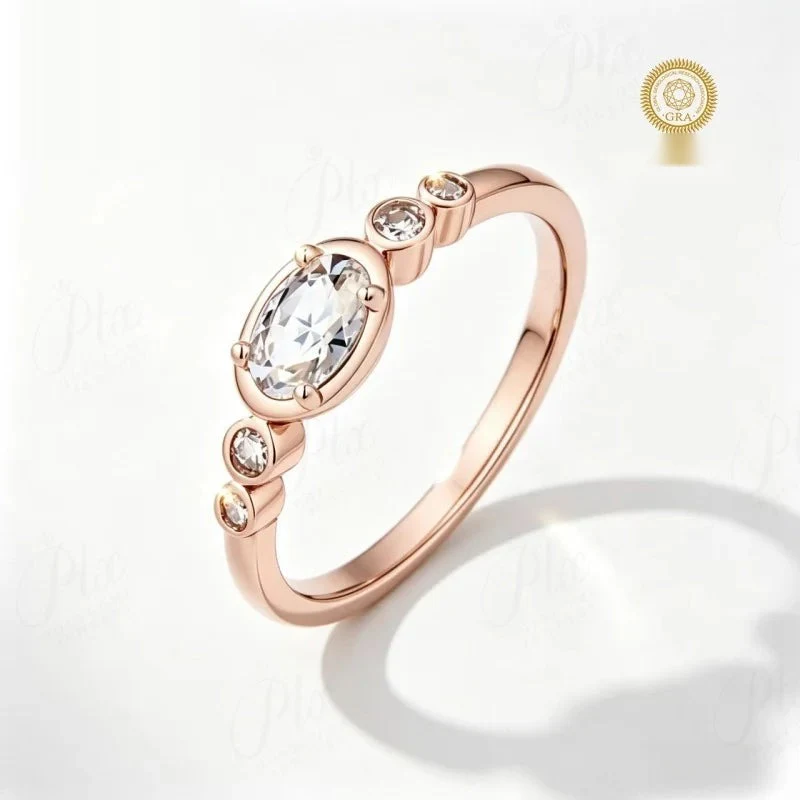
Walk into any gym and you will see it: the silver necklace swinging through burpees, the ring grinding against a barbell, the earrings catching on a resistance band. For a generation that treats everyday silver jewelry as a permanent accessory, taking pieces off feels like an admission of weakness. But the gym is not neutral. Sweat chemistry, repeated impact and shared equipment put sterling silver and its settings under stress that an office desk simply does not. The question is not whether jewelry is tough enough. It is which pieces earn the right to stay on.
Sweat changes the surface chemistry
Sweat is mostly water, but it carries salts, urea and traces of everything applied to the skin, from body wash to lotion. When sweat sits against sterling silver for an hour or more, the salt film accelerates the tarnish reaction between copper in the alloy and sulfur in the air. A silver necklace that looks fine after a workday can develop a faint darkening where it touches the skin after a sweaty spin class. The effect is cosmetic at first, but over months it builds into a patina that polishing cloths struggle to fully lift.
Moissanite is unaffected by sweat. It is the metal and the plating that feel it. A rhodium-flashed silver piece, designed to look bright and white, will dull faster when it is caked in salt after workouts.
Impact is the silent destroyer
The bigger risk at the gym is mechanical. A ring worn on a lifting hand is pressed between a barbell and a fist for repeated reps. Over weeks, that pressure can bend a thin band or push a prong out of alignment. A pendant bouncing against a bench press or a kettlebell can catch and snap a chain. Earrings caught on a towel or a weighted vest pull at the lobe. None of these happen in one dramatic moment. They accumulate, until one day the stone spins or the clasp gives way.
Even low-intensity workouts cause friction. Yoga mat grip, treadmill handle contact, and the repeated opening and closing of water bottles all rub against rings and bracelets. A thin sterling bangle stacked with other bangles will scratch itself raw during a single hour of movement.
What to remove and what is usually safe
A practical rule is to remove anything on the hands and wrists for strength training and contact cardio. Rings, bracelets, bangles and watches all have no business near a barbell. Necklaces are usually fine for walking, cycling and stretching, as long as they are not long pendants that can catch. Earrings, small studs and huggies are generally safe for most gym activity, though long dangles and hoops over an inch should come out for classes with equipment.
A small jewelry pouch or a lidded dish in a gym bag solves the logistics. Losing a ring between the locker room and the car is the classic way a piece that cost almost nothing to maintain becomes a total loss. Two seconds to remove and drop it in the pouch is cheaper than a replacement.
How to recover after a sweaty session
If a customer forgets and wears pieces through a tough workout, recovery is simple. Rinse the silver under lukewarm water to wash off salt, dry it completely with a soft cloth, and lay it flat to air. Moisture trapped under a prong or inside a chain link is what causes the most discoloration. A weekly gentle wipe with a polishing cloth restores most of the brightness. The gym does not have to end your silver jewelry. It just needs the same basic respect you would give any piece you intend to keep.
What about yoga, running and outdoor training?
Not every workout carries the same risk. A long run or a brisk walk is low-impact, and a simple silver necklace or a pair of small studs is usually fine. Yoga is gentler still, though long pendants that swing during downward dog are better left off. Outdoor training introduces a new variable: sunscreen and bug spray. Both are applied liberally before a session, and both belong in the same chemical-avoidance category as perfume. Apply them, let them sink in, and then put jewelry back on afterward.
Weightlifting and contact classes are the categories where the remove-it rule is non-negotiable. The combination of pressure, repeated impact and chalk on the hands is exactly how prongs bend and bands scratch. For most people, the habit takes about two weeks to build. Once a small pouch lives in the gym bag, dropping the ring in before a session becomes automatic. That two-second routine is worth far more than the occasional repair it prevents, and it is the difference between silver jewelry that ages gracefully and silver jewelry that ends up bent in a drawer.
Sterling silver terminology used in this guide follows the Wikipedia entry on sterling silver.
Frequently Asked Questions
How do I prevent sterling silver from tarnishing in storage?
Use anti-tarnish bags with a sulfur absorber, keep humidity under 60% and avoid paper wrapping. Rhodium plating adds a further barrier on high-turn SKUs.
Is rhodium plating worth the added cost?
Yes for display and gift lines. It resists tarnish for 12–18 months and keeps shelf pieces bright, which reduces markdowns.
What purity do you supply?
925 sterling silver, stamped and hallmarked. Fine silver (.999) is available for beads and bullion-style pieces.
What is the MOQ and lead time?
50 pieces per design, samples 3–5 days, bulk 15–20 days.