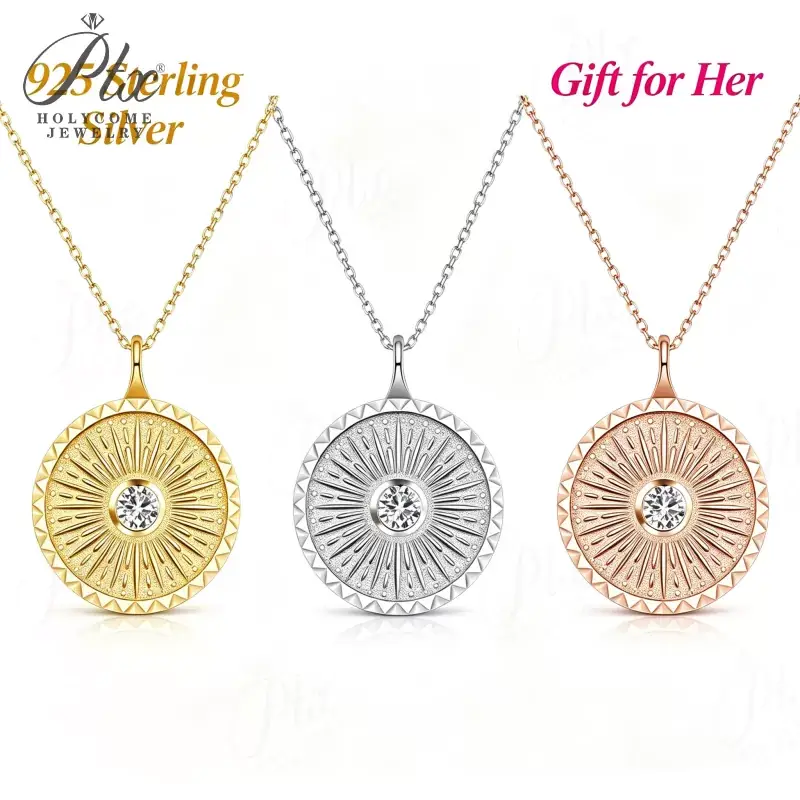
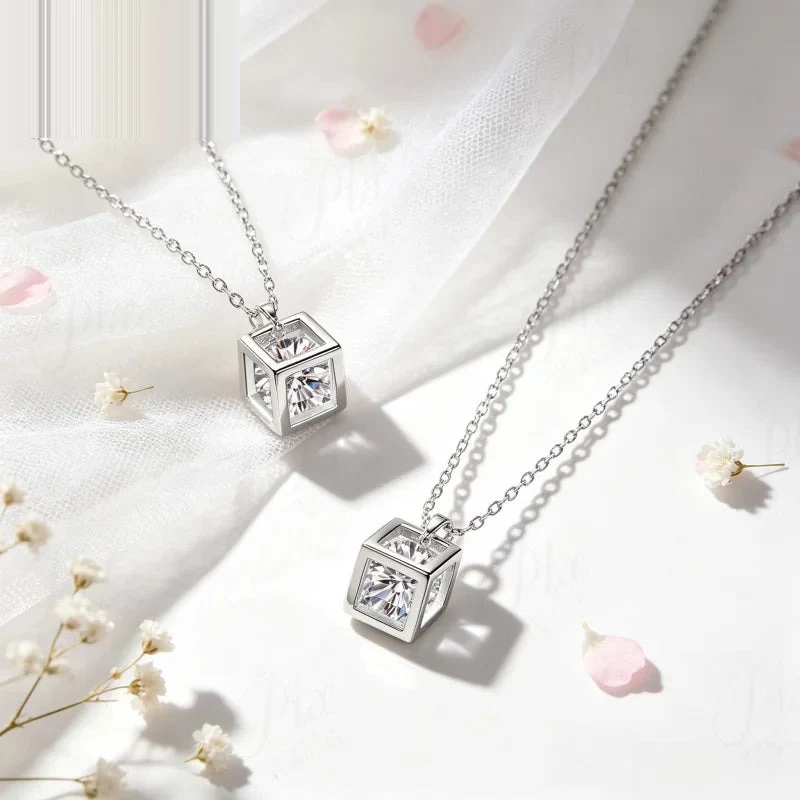
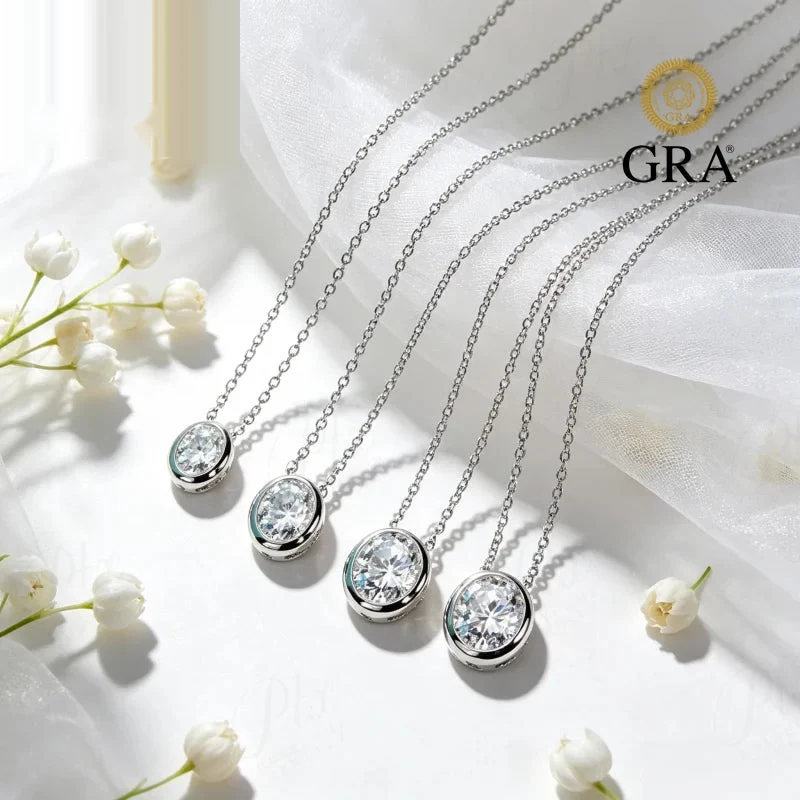
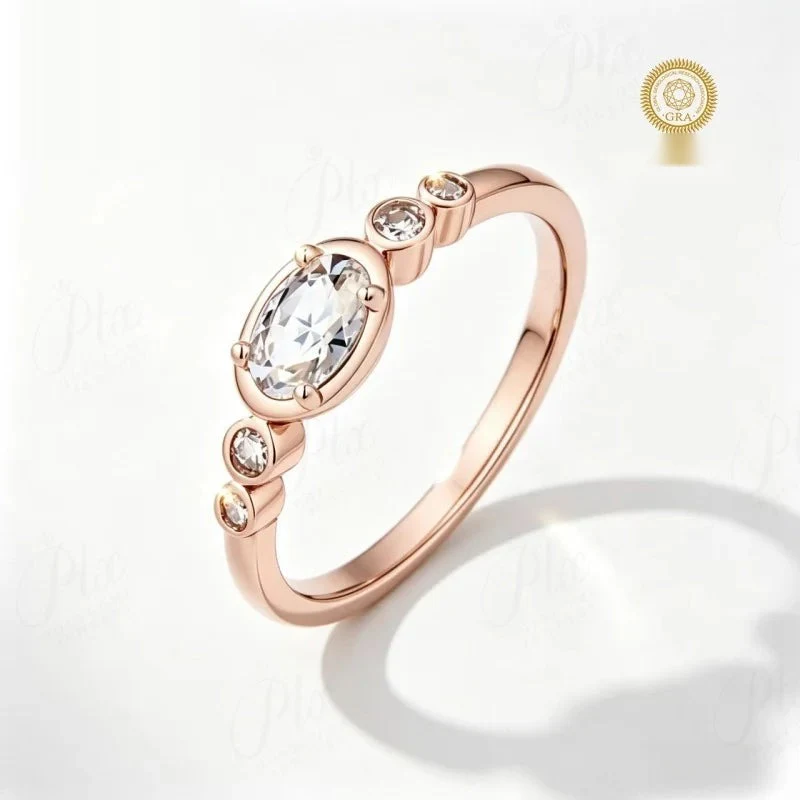
A beautiful silver necklace hanging on a plastic rack sells for half the price of the same necklace resting on a folded linen pad under a warm bulb. Customers do not buy jewelry in a vacuum; they buy it inside a scene. For small boutiques and online storefronts, the display is the difference between a $19 impulse and a $75 gift purchase. The good news is that premium-looking merchandising does not require a big budget.
Lighting is the first fixture
Silver is a mirror, and mirrors need the right light to sparkle. Cool white light makes sterling read flat and slightly gray. Warm, diffused light around 3000K makes the metal glow and lets moissanite fire show. Use small LED spotlights aimed at the inner case rather than flooding the whole room. You want a glow around the piece, not a glare on the glass. For e-commerce, the same logic applies: softbox lighting and a neutral backdrop make silver read as high-end, not cheap.
Group by story, not by metal
Beginners organize cases by category: all rings here, all necklaces there. That makes inventory management easy but shopping harder. Try grouping by story instead. A "gift for her" cluster, a "workday minimal" cluster, a "date night sparkle" cluster. Customers walking past see outfits and moments, not SKUs. This also naturally pairs pieces together, which is how a ring becomes a ring-and-earring sale. For pairing inspiration, our necklace-and-earring styling guide doubles as a display plan.
Leave negative space
It is tempting to fill every slot. Resist. A case crowded wall-to-wall reads like a market stall. Two or three thoughtfully arranged pieces per display block look curated and raise the perceived value of each. Silver especially needs breathing room because its finish reflects everything around it; clutter competes with the metal.
Use risers and textures
Flat velvet pads are fine, but a few cheap upgrades change the whole look. Small wooden or acrylic risers create depth. Linen, slate, or marble-textured slabs add contrast against cool silver. A single dried flower or a folded silk ribbon signals "gift" without saying it. These props cost less than a reorder and lift every piece sitting on them.
Tell the story with small signs
A handwritten card on a display block does more than any sales pitch. Two or three lines explaining the metal, the stone, and why the piece matters turn a glance into a conversation. A sign that says "solid 925 sterling, safe for sensitive ears" pre-qualifies the customer who would otherwise walk away worried. A card that says "moissanite out-sparkles diamond at a fraction of the price" frames the value before you even speak. Keep the signs short, warm, and honest. They work while you are busy elsewhere.
Price with intention
Hidden price tags frustrate shoppers and kill sales. Place prices clearly but tastefully. A tiered price ladder, with entry studs at the front and statement rings deeper in, lets browsers self-select. When customers can price-shop without flagging someone down, they stay longer and buy more. For retailers reselling moissanite, frame the value: a small card explaining that moissanite out-sparkles diamond at a fraction of the price does the selling for you. Our guide to moissanite versus CZ gives you the talking points.
Rotate, rotate, rotate
A case that never changes teaches regulars to stop looking. Refresh the front window every two weeks. Pull pieces that have sat untouched for a month and swap in fresh stock. Tie rotations to seasons: layering necklaces in fall, studs and huggies in summer, gifting clusters in November. A shop that changes looks like a shop that has something new, even if the inventory is largely the same.
The online equivalent
Online sellers do not get a glass case, but they get the product page. Consistent styling, a clean backdrop, and a hand or neck shot give scale and context. A flat lay of a curated set communicates "wear this together" the way a boutique cluster does. Repeat buyers remember the vibe more than the SKU. Use the same props across your photos so the storefront feels like one coherent room rather than a pile of separate listings.
Train staff to work the case
A beautiful display only pays off if someone knows the story behind it. Brief your staff on each cluster: what it pairs with, who it is for, and what it costs. A clerk who can say "this pendant layers nicely with the thin chain beside it" turns a browser into a buyer. When staff treat the display as a curated collection rather than a shelf, customers feel it. That small cultural shift is what separates a shop that looks premium from one that only looks expensive.
Display is not decoration. It is the quiet salesperson working while you help the next customer. Treat it that way and your silver pieces start earning more on the same shelves.
Sterling silver terminology used in this guide follows the Wikipedia entry on sterling silver.
Frequently Asked Questions
How do I prevent sterling silver from tarnishing in storage?
Use anti-tarnish bags with a sulfur absorber, keep humidity under 60% and avoid paper wrapping. Rhodium plating adds a further barrier on high-turn SKUs.
Is rhodium plating worth the added cost?
Yes for display and gift lines. It resists tarnish for 12–18 months and keeps shelf pieces bright, which reduces markdowns.
What purity do you supply?
925 sterling silver, stamped and hallmarked. Fine silver (.999) is available for beads and bullion-style pieces.
What is the MOQ and lead time?
50 pieces per design, samples 3–5 days, bulk 15–20 days.