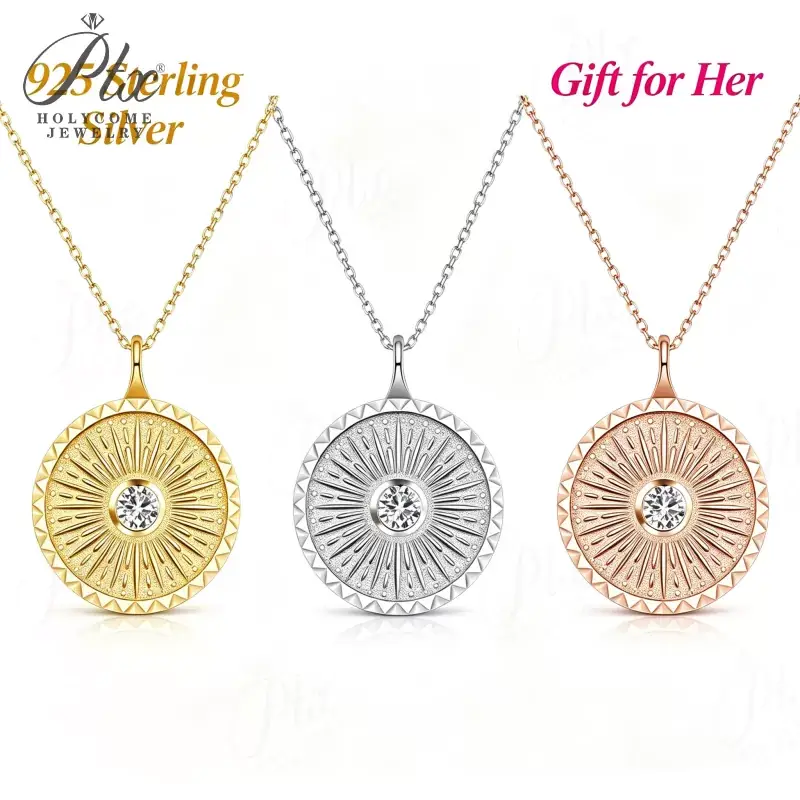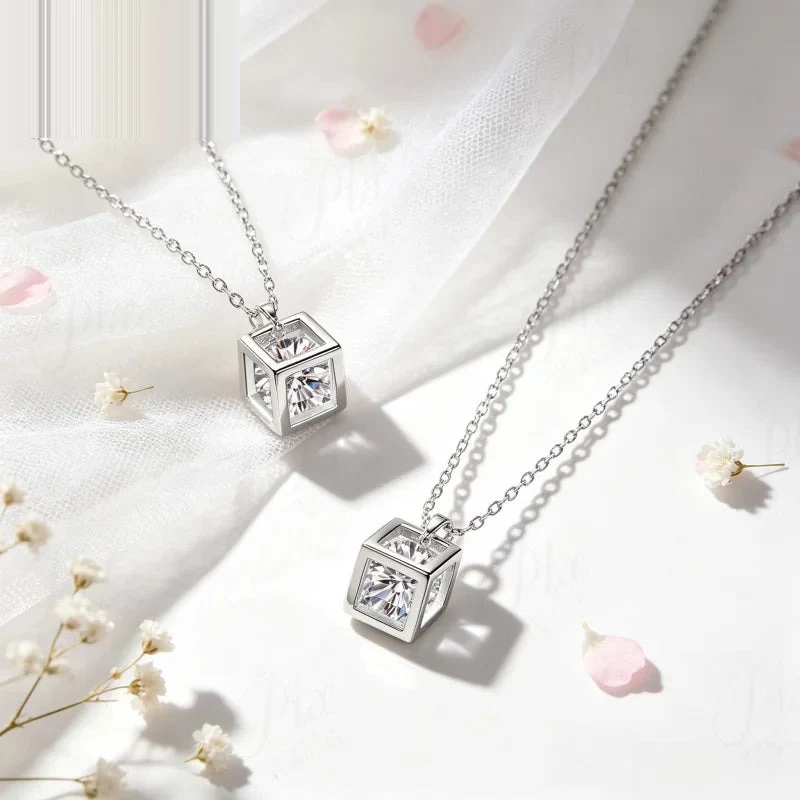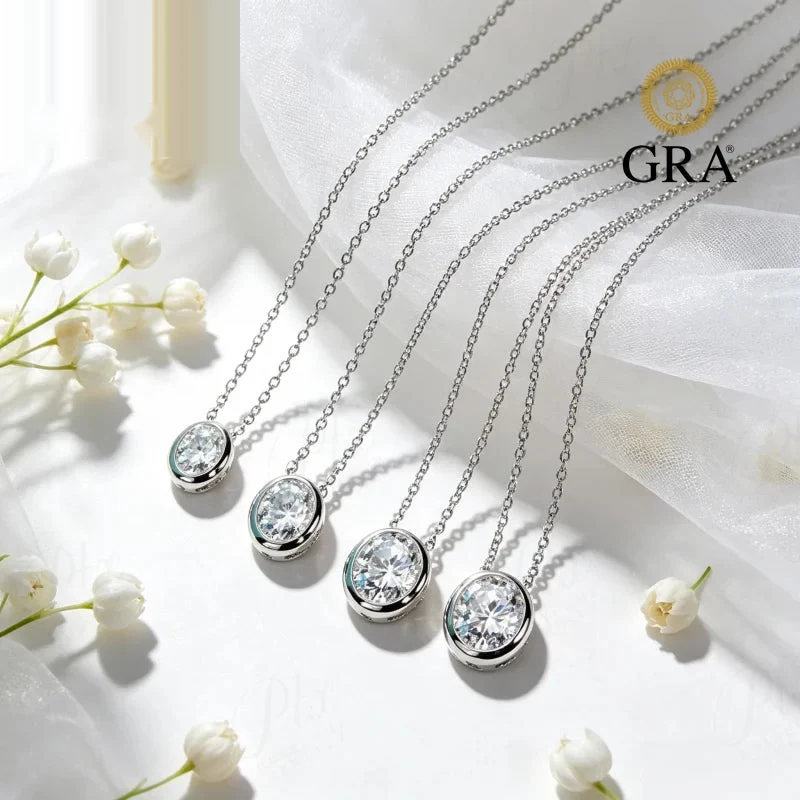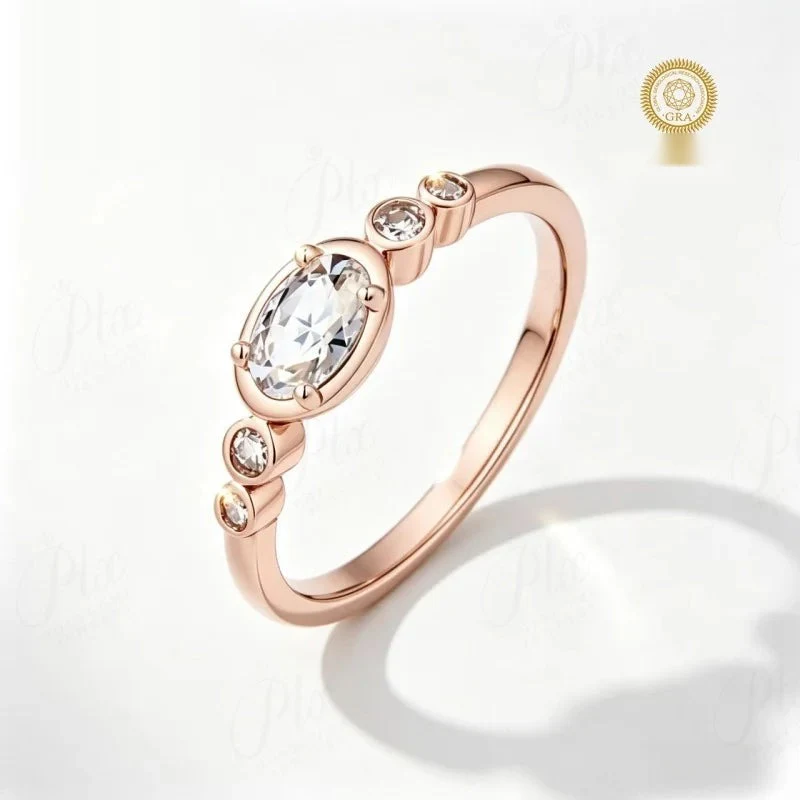
If your silver necklace darkens after a few weeks of wear, do not blame the silver and do not assume you bought a fake. Blame the order you put your morning routine together. Sterling silver is sensitive to sulfur and alcohol, and most everyday cosmetics carry both. The jewelry you wear every day is absorbing a thin film of spray, oil and fragrance that quietly tarnishes it from the outside in. The result is the dull, greyish or slightly blackened look people think of as cheap silver, when in reality it is just chemistry acting on a surface that was never protected.
The fix is almost free. It is a matter of sequence, not of buying anything new, and once you build the habit you will notice the difference within a month.
What each product actually does
Perfume and eau de parfum are alcohol-based, and alcohol dries out the thin tarnish-resistant layer on rhodium-plated silver while leaving a dull, hazy film on the surface. Hairspray is packed with polymers and solvents that coat silver in a shell you cannot see until it builds up over weeks, turning a bright chain into a foggy one. Lotions and sunscreens leave an oily residue that traps dirt against the metal and, on stones, clouds the setting around the prongs. Sulfur-rich products, including rubber bands, wool, eggs and certain aerosols, are the classic cause of the dark tarnish streak people blame on low-quality silver.
This is chemistry, not quality. Our piece on why silver tarnishes explains the reaction itself; here the point is how to stop it at the source, because preventing tarnish is far easier than polishing it away after the fact.
The order that protects your jewelry
Dress, do your hair, apply skincare and perfume, wait until everything has absorbed and dried, then put the jewelry on last. Take it off first when you get home. This single habit doubles the time between cleanings, and it costs nothing. If you spray perfume with a bracelet already on, the mist settles straight into the chain links, where it dries invisible and begins corroding from the inside, which is the exact kind of tarnish that is hardest to reach with a cloth. The same logic applies to hairspray: spray your hair, wait, and only then put on earrings and necklaces.
Stones and settings matter too
Moissanite is one of the hardest gems and chemically very stable, but its setting is not. Residue builds up under the prongs and around the basket, making the stone look dull even when the stone itself is perfectly fine. A soft brush with warm, soapy water once a month restores the sparkle and flushes out the grime that lotions left behind. For plated pieces, see how rhodium plating works so you understand why harsh dips and toothpaste strips it faster, and why gentle soap is always the safer choice.
Storage between wears matters as much as the routine
Even a perfectly worn piece will tarnish if it sits in the open air. Store silver in an anti-tarnish pouch, a sealed bag with a tarnish strip, or a lined box, and keep pieces from touching one another, because a chain rubbing against a ring will scratch both over time. A single anti-tarnish strip dropped into the drawer does more than any polish you own, and it costs almost nothing. Replace the strip once or twice a year, and the silver will stay bright between wears. Avoid storing jewelry in the bathroom, which is humid and full of the very steam and aerosol that cause tarnish; a dry drawer or a closet shelf near the bedroom works far better. If you travel, pack each piece in its own small pouch rather than tossing them together in a toiletry bag, where shampoo and sunscreen will inevitably leak onto them. These storage habits cost nothing and extend the gap between cleanings by weeks.
The bathroom, the kitchen, and the schedule
Take silver off before showering, because soap and hot water speed tarnish, and before cleaning, because bleach is one of the worst things you can put near silver. Chlorine in pools and hot tubs pits silver and can weaken settings over time. Build a small dish on the bathroom counter where rings land, so you stop treating the jewelry like an afterthought. Clean on a schedule rather than waiting for black marks: a monthly wipe with a soft cloth prevents the buildup that later needs polishing. For a full walkthrough, our silver care guide covers the cloths, the dips to avoid, and how to store pieces so they stay bright. Treat silver like the polished surface it is, get the cosmetics out of the way first, and the jewelry will stay bright far longer than you expect.
Sterling silver terminology used in this guide follows the Wikipedia entry on sterling silver.
Frequently Asked Questions
How do I prevent sterling silver from tarnishing in storage?
Use anti-tarnish bags with a sulfur absorber, keep humidity under 60% and avoid paper wrapping. Rhodium plating adds a further barrier on high-turn SKUs.
Is rhodium plating worth the added cost?
Yes for display and gift lines. It resists tarnish for 12–18 months and keeps shelf pieces bright, which reduces markdowns.
What purity do you supply?
925 sterling silver, stamped and hallmarked. Fine silver (.999) is available for beads and bullion-style pieces.
What is the MOQ and lead time?
50 pieces per design, samples 3–5 days, bulk 15–20 days.