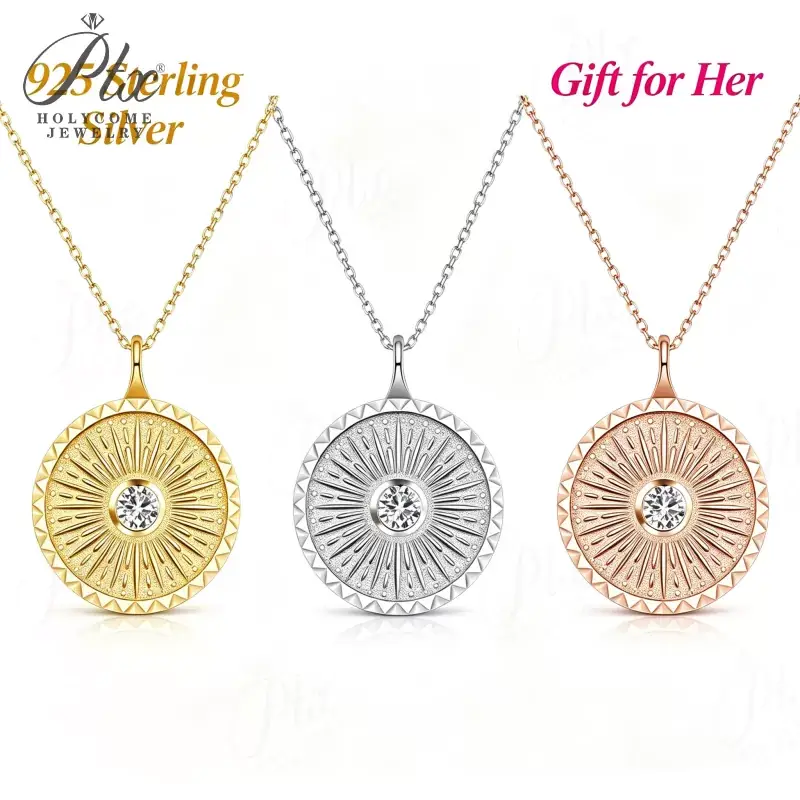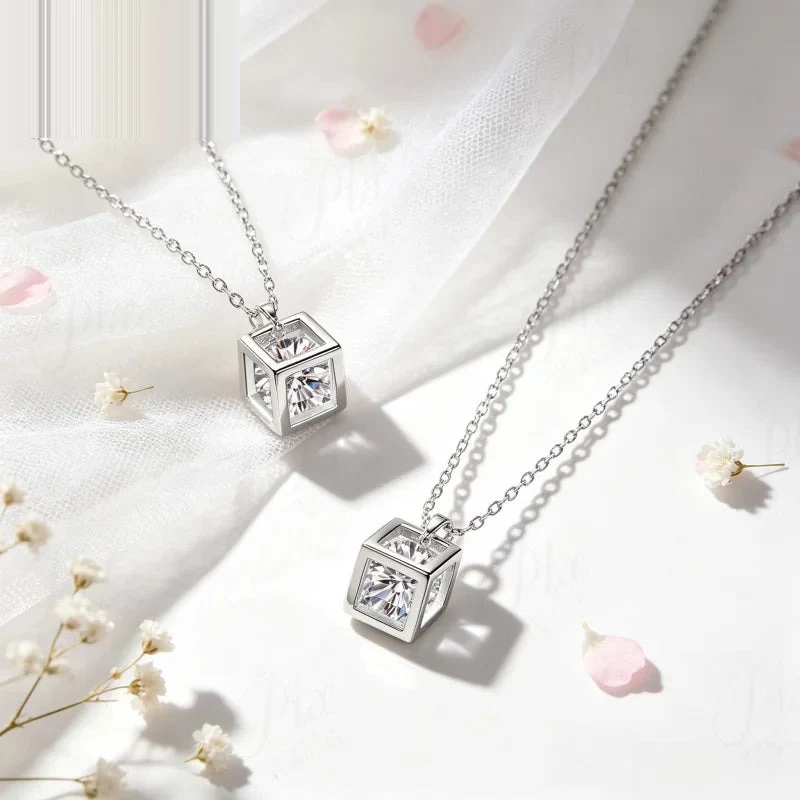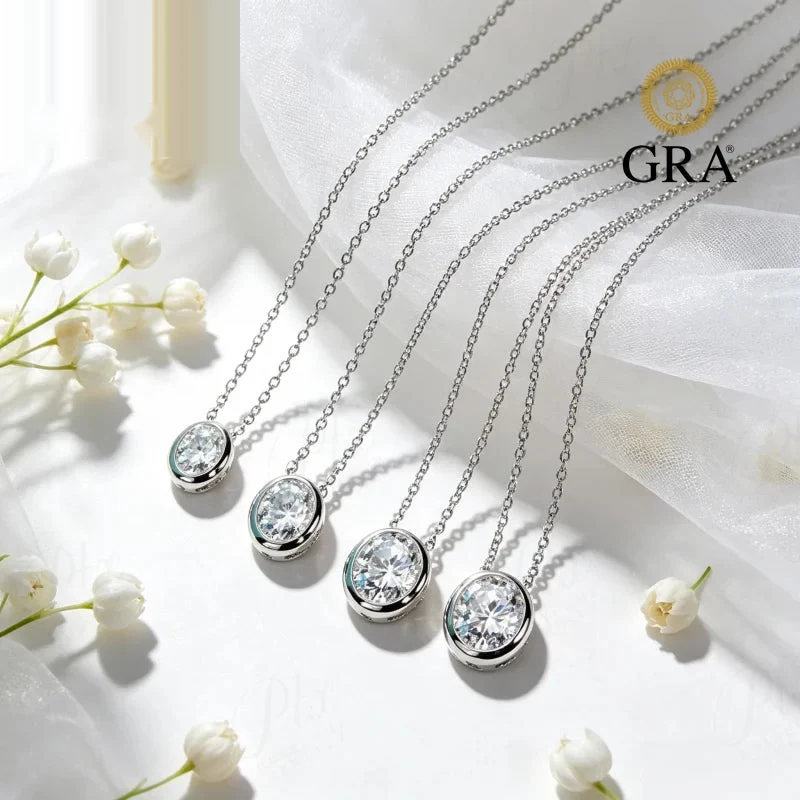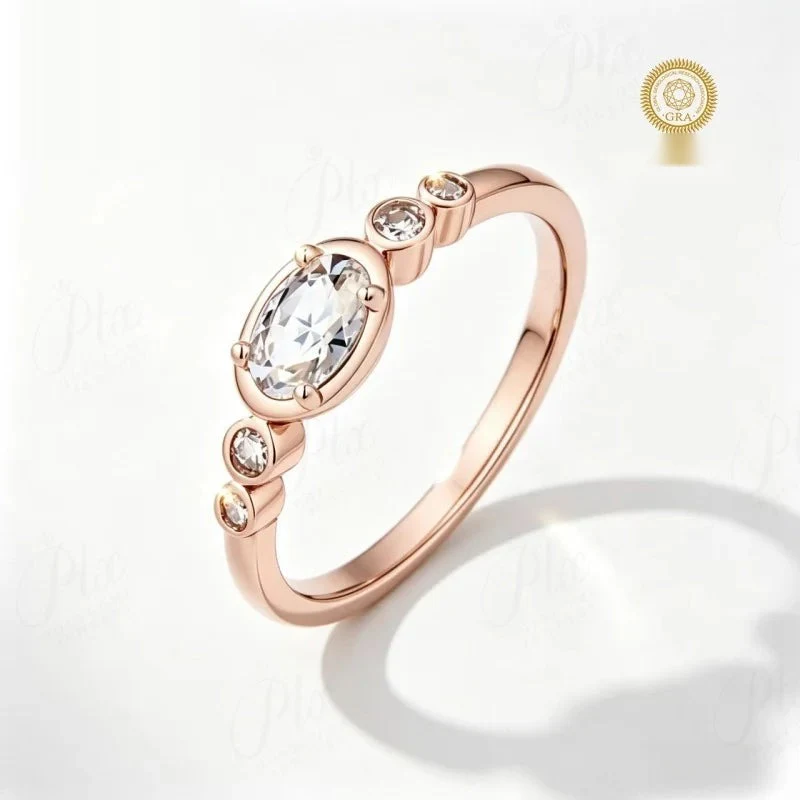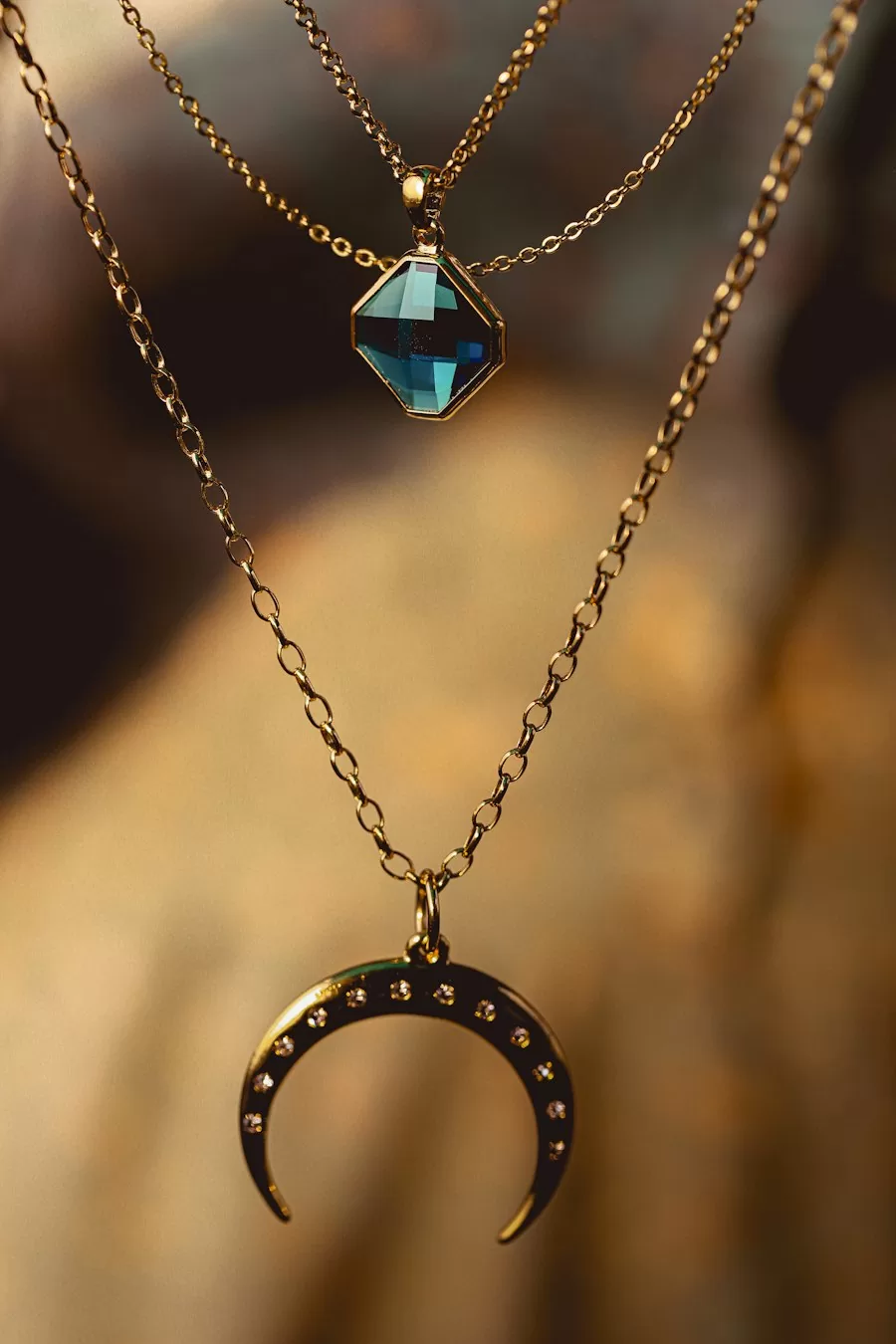
When a listing says "gold vermeil," shoppers often assume it is just a marketing phrase for cheap gold-plated jewelry. It is not. Gold vermeil is a specific standard with real rules, and understanding the difference helps you shop smarter and sell more confidently. In short, vermeil is solid sterling silver that has been plated with a thick layer of real gold. It is not fashion jewelry with a thin coat of color over base metal, and that distinction changes how long a piece lasts, how it feels against skin, and what you can fairly charge for it.
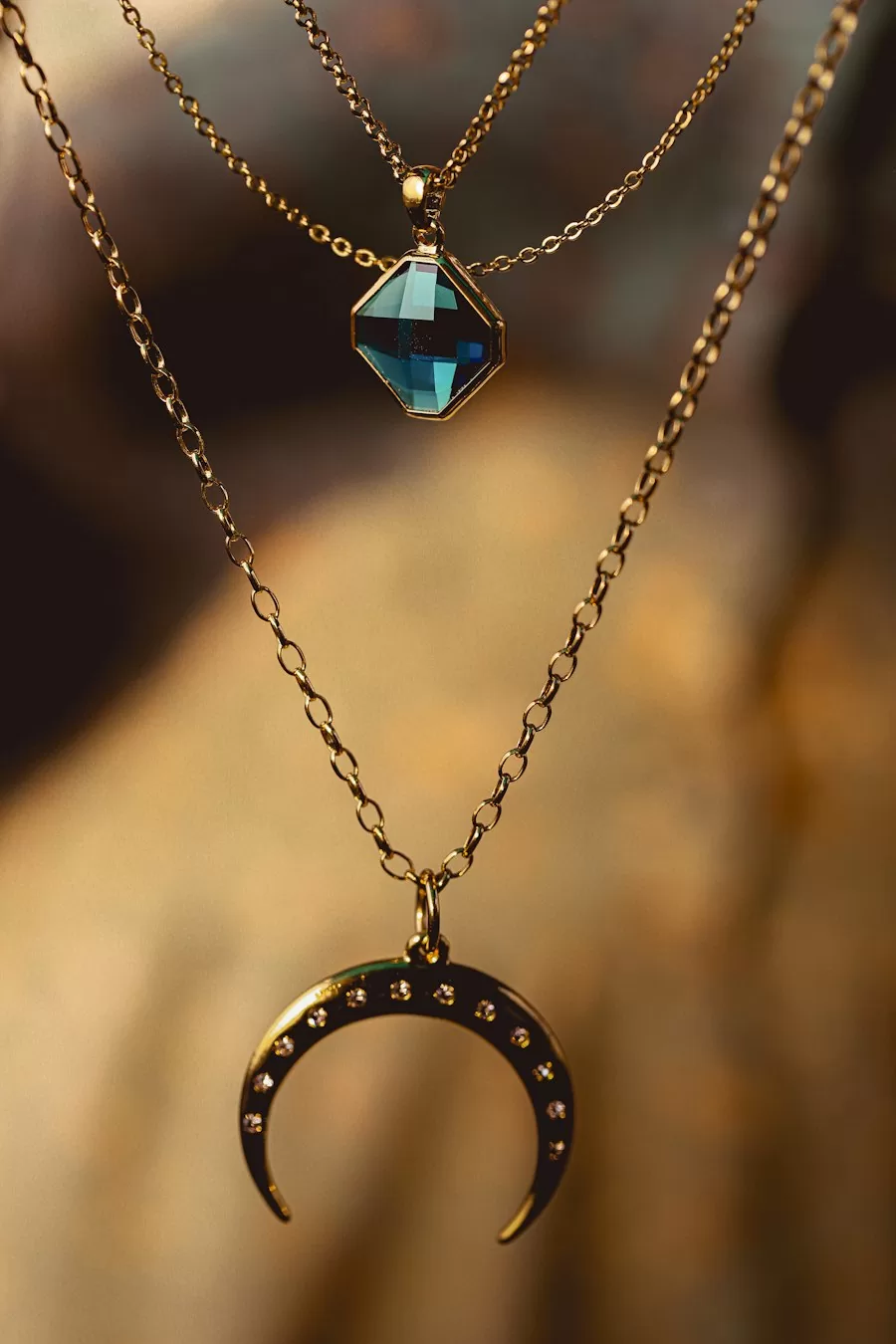
The "vermeil" standard requires two things. First, the base must be sterling silver, at least 92.5% pure. Second, the gold layer must meet a minimum thickness, typically measured in microns, and be made of karat gold rather than gold-colored alloy. In other words, the gold on top is real 14k or 18k gold, applied over silver. A piece that uses brass or copper underneath, even with a thick gold coat, is gold-plated fashion jewelry, not vermeil. If you are building your materials vocabulary, our guide to solid silver versus plated covers the base side of this distinction.
Why does this matter to a shopper? Because sterling silver is hypoallergenic and durable. Most people who react to cheap jewelry are reacting to nickel or copper in the base metal, not to the gold finish. A vermeil piece keeps that silver base against the skin, so it is far gentler than plated brass. It also wears better: silver does not crumble or flex like thin base metal, so the structure stays true over years. That is why vermeil feels like fine jewelry rather than costume jewelry, even when the price is approachable.
Vermeil is not the same as solid gold, though, and honest sellers say so. Eventually, with daily wear and friction, the gold layer wears thin and the silver shows through. This is normal, not a defect. A well-made vermeil piece worn every day can keep its gold finish for years with reasonable care. A heavily plated cheap piece can fade in months. The difference is thickness, and that thickness is exactly what you are paying for when you choose vermeil over fast fashion. For context on the finishes used across the industry, our note on metal finishes complements this well.
Caring for vermeil is slightly gentler than caring for plain silver. Harsh chemicals, abrasive cloths, and dips meant for sterling silver can strip the gold layer faster. Clean vermeil with a soft, dry cloth, and avoid spraying perfume or hairspray directly onto the piece. Store it separately so it does not rub against other jewelry in a box. Remove it before swimming, showering, or cleaning. With that routine, the gold layer stays even and bright for a long time.
Shoppers often ask how vermeil compares to gold-filled jewelry, and the honest answer is that both are real-gold-over-metal products, but they use different bases. Gold-fill uses a layer of gold pressure-bonded to brass, while vermeil uses sterling silver as the core. For people with metal sensitivity, the silver base of vermeil is usually the gentler option. Neither is solid gold, and neither should be advertised as such. The most trustworthy listings state the base, the gold karat, and the approximate thickness, so the buyer knows exactly what they are getting. That transparency prevents the disappointment that happens when a customer expects solid gold and receives vermeil.
Long-term, vermeil ages with you. The gold layer softens to a warmer patina over years of wear, which many owners find more beautiful than a bright new piece. When the finish finally wears thin in high-friction spots like the back of a ring or the post of an earring, the piece can often be re-plated rather than discarded. That repairability is part of why vermeil makes sense as an everyday jewelry choice. It is not a forever piece in the way solid gold is, but it is far closer to forever than disposable fashion, and it costs a fraction of either.
For resellers and boutique owners, vermeil is a useful middle-tier offering. It lets you offer the warm, popular gold look at a price point below solid gold, while still speaking to customers who have outgrown disposable fashion jewelry. Pair a vermeil piece with a sterling silver piece and you give shoppers a real choice between cool silver and warm gold without either looking cheap. Be clear in descriptions: say "14k gold vermeil over 925 sterling silver" rather than "gold-toned." Specificity builds trust and reduces returns.
The bottom line is simple. Gold vermeil is a real, defined category, not a marketing trick. It combines the hypoallergenic durability of sterling silver with the warm look of gold, at a price that makes sense for everyday wear. Shoppers who learn to recognize the standard stop chasing solid gold and stop settling for plated fashion. They land right in the middle, where vermeil quietly does its job for years.
EU-wide limits on nickel, lead and cadmium in jewellery are set by the REACH Regulation (EC) No 1907/2006 on EUR-Lex.
Frequently Asked Questions
How do I prevent sterling silver from tarnishing in storage?
Use anti-tarnish bags with a sulfur absorber, keep humidity under 60% and avoid paper wrapping. Rhodium plating adds a further barrier on high-turn SKUs.
Is rhodium plating worth the added cost?
Yes for display and gift lines. It resists tarnish for 12–18 months and keeps shelf pieces bright, which reduces markdowns.
What purity do you supply?
925 sterling silver, stamped and hallmarked. Fine silver (.999) is available for beads and bullion-style pieces.
What is the MOQ and lead time?
50 pieces per design, samples 3–5 days, bulk 15–20 days.