Vintage Silver Jewelry Revival
After a decade of sleek, digital-minimalist design, jewelry has turned romantic. Vintage-inspired sterling silver, with its signets, filigree, milgrain edges and old-world solitaires, is everywhere on runways, street style and social feeds. This revival is not nostalgia for its own sake. It is a reaction against disposable fast fashion and a desire for pieces that feel like they have a past. This guide explores what is driving the vintage silver comeback, the defining eras to know, and how to wear and shop it without looking like you are in a costume.
What Is Driving the Vintage Silver Comeback
Several forces converged to bring vintage silver back. First, younger shoppers who grew up with fast fashion now want objects with longevity. A piece that looks like it came from a grandmother jewelry box carries a story that a mass-produced charm cannot. Second, period television and film have reintroduced Art Deco and Victorian aesthetics to a generation that never lived through them. Third, social media has made vintage and vintage-inspired shopping aspirational, with creators sharing thrifted and heirloom pieces weekly. The result is a generation of buyers who actively seek out pieces that feel old, even when they are newly made.
Sterling silver is the ideal metal for this revival because it was the everyday silver of the twentieth century. Art Deco rings, Victorian brooches and mid-century charm bracelets were all made in 925 silver, so modern reproductions match the material language of the originals. Gold feels too formal for this revival; silver feels worn, patinated and honest. Our vintage-inspired silver jewelry overview explains the commercial side of this trend, including which eras retailers are stocking most.
There is also an environmental undercurrent. Buying vintage is the original sustainable fashion, because it reuses materials rather than mining new ones. Even new vintage-inspired pieces made from recycled silver carry that ethical weight. Customers who care about reducing waste are drawn to the aesthetic because it signals longevity, and the jewelry industry has responded with reproductions that hit the same emotional notes without the antique price tag.
Art Deco Geometric Silver
The most visible vintage influence is Art Deco. Think stepped geometry, parallel lines, fan shapes and symmetrical patterns rendered in smooth or oxidized silver. Deco jewelry favors negative space: a ring shaped like a geometric arch, earrings that look like the Chrysler Building, bracelets with chevron patterns. The mood is architectural and slightly androgynous, which fits perfectly with the modern gender-fluid jewelry movement. Deco pieces also photograph beautifully, which is why they dominate editorial shoots and influencer styling.
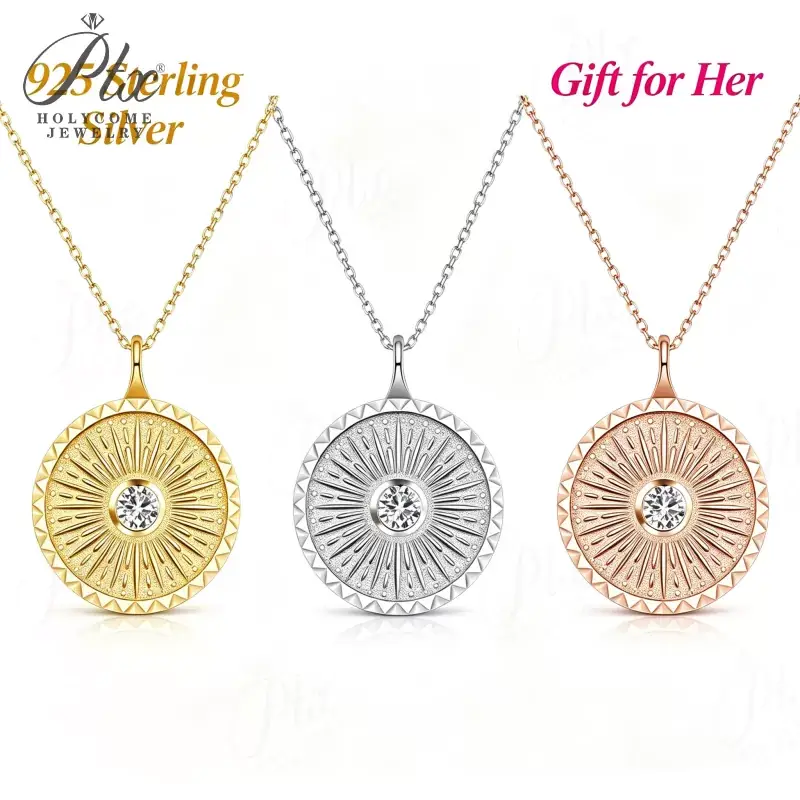
Modern Deco pieces often pair silver with a single moissanite or onyx accent. A small round moissanite set in a stepped silver plaque echoes the diamond and onyx jewelry of the 1920s without the antique price tag. The affordable luxury of moissanite silver makes Deco designs accessible to shoppers who would never buy original period pieces, which can cost thousands and require insurance. The Deco revival is also notable for its geometry: circles within squares, chevrons, sunbursts, zigzags. These patterns translate directly to modern engraved bands and signet rings.
Victorian and Filigree Details
On the softer side of the revival is Victorian influence: filigree work, locket pendants, snake rings, and engraved floral motifs. Filigree, the art of twisting fine silver wires into lace-like patterns, is back on earrings, bracelets and pendants. It reads as delicate and romantic without being fussy, especially when worn with a simple white shirt. The craftsmanship is visible up close: each tiny wire is bent and soldered by hand, which gives filigree pieces a texture that machine stamping cannot replicate.
Lockets deserve special mention. Modern silver lockets are smaller than their Victorian ancestors, often holding a tiny initial or a pressed flower rather than a photograph. They layer beautifully on longer chains and personalize an otherwise simple neckline. Engraved Victorian motifs: forget-me-nots, serpents, hearts, appear on signet rings and band edges. Our signet ring guide covers the engraved crest tradition that modern buyers are reviving, including how Victorian motifs map to modern symbolism.
Snake rings are another Victorian revival. A coiled silver snake wrapping around the finger, with tiny stone eyes, reads as gothic-romantic rather than literal. These rings are popular among customers who want something symbolic but not obvious. The snake represents eternity and rebirth in Victorian lore, which gives the piece a meaning that a plain band lacks.
Signet Rings and Old World Charm
The signet ring is the centerpiece of the vintage silver revival. Historically a seal used to stamp wax, the signet has become a unisex personalization object. Modern signets are smaller than their Georgian ancestors, worn on the pinky or index finger by people of all genders, and engraved with initials, astrological signs, tiny portraits or even QR codes that link to digital messages. The signet has fully shed its old boys-club connotation and become a self-expression object.
Silver signets age beautifully. The oxidized recesses darken with wear, and the high points polish bright against the skin. A signet that starts looking new will look genuinely vintage within a year of daily wear, which is part of the appeal. Pair a silver signet with a thin stackable ring on the adjacent finger for a look that is both old and new. The signet anchors the hand; the thin ring softens it. Together they read as collected rather than purchased.
How to Spot Authentic Vintage vs Reproduction
Not every vintage-looking piece is actually vintage. Real antique and vintage silver has specific markers: hallmarks that vary by country and era, natural wear patterns on edges, and slightly irregular craftsmanship that predates mass production. Reproductions are machine-perfect, often stamped with generic 925 marks and made to look aged through controlled oxidation rather than decades of wear. Knowing the difference matters if you are paying antique prices, but if you love the look, a well-made reproduction is often the more practical choice.
For shoppers who want real vintage, look for maker marks, date letters and country-specific hallmarks. Sterling silver from the UK carries a lion passant; from the US it carries a sterling or 925 stamp; from Mexico it often carries eagle or maker marks. For shoppers who love the look but want new-condition jewelry, well-made reproductions are the ethical and practical choice. Our silver hallmarks guide decodes the stamps you will see, so you can tell at a glance whether a piece is likely old or new.
Styling Vintage Silver in Modern Outfits
Vintage silver works best when it is not dressed up as a costume. The most stylish way to wear it is with the simplest modern clothing: a white button-down, straight-leg jeans, a black turtleneck. One signet ring, a pair of filigree earrings and a thin locket on a long chain is enough. Overdoing vintage pieces makes the look feel theatrical rather than collected. The goal is to look like you inherited a few beautiful pieces and wear them with your modern wardrobe, not like you are attending a themed party.
Mixing old and new is the point. A Victorian filigree bracelet next to a modern curb chain, a Deco ring next to a plain silver band, a locket on a contemporary snake chain: these combinations feel personal, not period. The vintage charm bracelet revival is a perfect example, with modern buyers collecting charms that mix old family pieces with new engravings. The result is a bracelet that tells a multi-generational story, not a museum piece.
Collecting and Restoring
Collecting vintage silver is a long game. Start with one era that resonates: Deco geometry, Victorian romance, or mid-century modernism. Buy pieces that fit your actual lifestyle rather than museum pieces you will not wear. Clean vintage silver gently: a soft cloth, mild soap and warm water, never dips that strip patina. If a piece needs repair, work with a silversmith who understands period techniques rather than a generic jeweler who will over-polish and erase the wear that makes the piece valuable.
Restoration has a vocabulary. Repatination means re-darkening the recesses to match an aged look. Re-tipping prongs means replacing worn stone settings. Re-stringing a charm bracelet means replacing the chain without removing the charms. These are specialized skills, and a good restorer will tell you when a piece is better left as-is. Budget for restoration when you buy vintage; a piece that needs work should be priced accordingly, and the cost of repair should be factored in before purchase.
Caring for Vintage Silver Pieces
Vintage and vintage-inspired silver needs different care than new polished pieces. The patina is part of the value, so aggressive polishing can strip the very aging that makes the piece special. Use a soft silver cloth rather than a liquid dip, and only polish the high points that have brightened with wear. Leave the oxidized recesses alone, because they are what give the piece depth. If you over-polish a vintage ring, it loses its character and starts looking like a new cheap reproduction.
Storage is equally important. Vintage silver should be kept in anti-tarnish cloth, not in open air, because tarnish accelerates on older pieces that have already developed a patina. Do not store vintage pieces with rubber bands or foam, which can react with silver and cause dark spots. Instead, wrap each piece in a separate soft cloth. The tarnish chemistry guide explains why old silver tarnishes faster than new, and how slow, gentle storage preserves the piece.
Investment Value of Vintage Silver
Not all vintage silver is an investment, but the best pieces hold value surprisingly well. A signed Georg Jensen silver brooch, a Mexican Taxco bangle, or an Art Deco platinum-and-silver ring can appreciate over decades, especially if it is in original condition. For most shoppers, though, the value is emotional rather than financial. A vintage signet that was a grandfather carries a value that no appraisal can capture.
For shoppers who want pieces that hold value, look for maker marks, limited editions and iconic designers. Mass-produced vintage silver from the 1970s and 1980s is affordable but does not appreciate. Designer vintage from recognized names does. The hallmarks guide helps identify maker marks, and the vintage-inspired overview explains which reproductions are worth buying if you love the look but cannot find originals.
Modern Vintage Designers to Watch
The vintage revival is not just about old pieces; it is about modern designers who borrow the language. Several contemporary silversmiths are producing filigree, signet and Deco-inspired work that looks vintage but is newly made in sterling silver. These designers use traditional techniques like hand engraving and filigree twisting, but their designs are fresh and sized for modern lifestyles. Buying from them supports craft and gets you a piece that is new, wearable and covered by a warranty.
For shoppers who want the vintage look without the antique risk, these modern reproductions are the sweet spot. They do not have the fragility of a hundred-year-old piece, they are sized for modern fingers, and they can be worn daily without anxiety. The signet guide covers modern signet makers and the hand-engraving techniques they use, which are the same techniques that made vintage pieces special.
Vintage Silver for Weddings
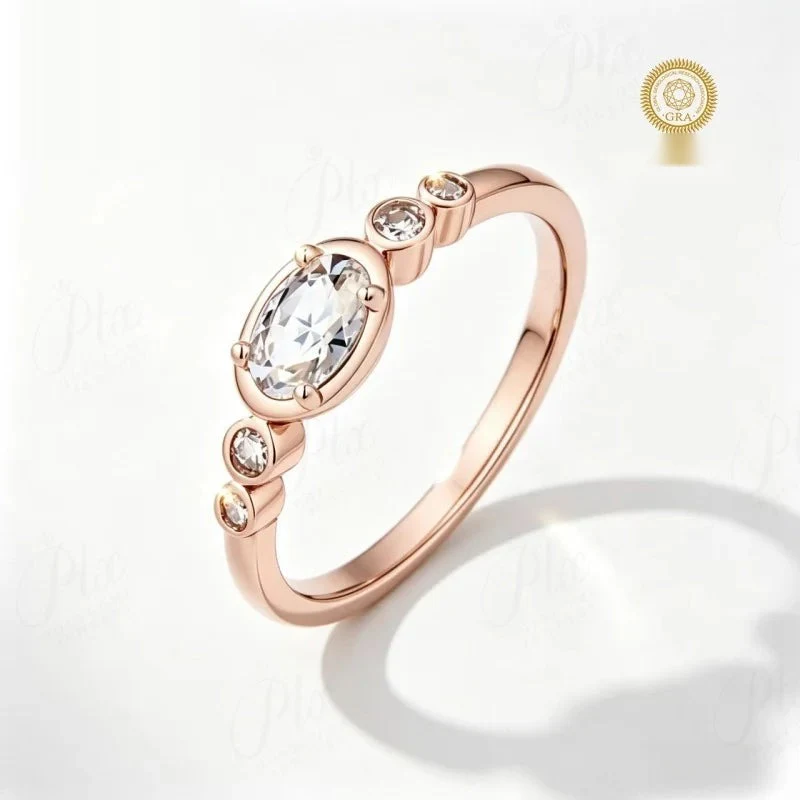
Vintage-inspired silver is increasingly popular for weddings, both for the bridal party and for the bride herself. A vintage-style moissanite solitaire in a silver setting reads as romantic and timeless, and it is far more affordable than an Art Deco original. Bridesmaids wear small filigree studs or pearl-drop earrings that coordinate with a vintage-themed wedding without matching too literally. The appeal is that vintage jewelry feels like it has been part of a family for generations, even when it is new.
For the groom, a vintage signet or an Art Deco cufflink set adds old-world charm to a modern suit. The bridal party guide covers how to coordinate vintage pieces across a wedding party, and the jewelry sets guide covers how to bundle them. The silver moissanite engagement rings collection includes several vintage-inspired settings that brides choose for themselves.
Where to Shop Vintage Silver
Shopping for vintage silver has moved online. Estate sales, antique malls and dedicated vintage websites all carry pieces, but the selection is scattered. The advantage of online shopping is that you can search for specific hallmarks and eras; the disadvantage is that you cannot inspect the piece in person. Buy from sellers who offer clear return policies and close-up photos of hallmarks and wear patterns. Avoid pieces listed as vintage without photos of the stamps, because they are often new reproductions sold at inflated prices.
For shoppers who want the look without the risk, vintage-inspired new pieces are the safer choice. They come with warranties, return policies and modern sizing, and they are made to be worn daily. The vintage-inspired overview covers which modern designs best capture the old-world feel, and the authentication guide helps you tell whether a piece is truly old or a new reproduction.
Frequently Asked Vintage Silver Questions
Shoppers new to vintage silver ask consistent questions. How can I tell if a piece is really old? Look for hallmarks, natural wear and slight irregularities. New reproductions are machine-perfect. Is vintage silver safe to wear? Yes, as long as it is clean and the stones are secure. Should I polish vintage silver? Gently, with a cloth, and never strip the patina. Can I resize a vintage ring? Usually yes, but use a silversmith who understands old pieces. Is vintage silver more expensive than new? It varies; ordinary vintage is affordable, while designer or signed pieces can cost more.
Shoppers also ask whether to buy real vintage or new reproduction. The answer depends on budget and lifestyle. Real vintage has character but may be fragile. New reproductions are durable, sized for modern wear and covered by warranty. The hallmarks guide helps identify real pieces, and the vintage-inspired overview covers new reproductions. The authentication guide covers fakes.
Starting Your Vintage Silver Collection
If you are new to vintage silver, start with one piece that fits your actual lifestyle. A silver signet ring worn daily is more useful than a delicate filigree brooch you will never pin. Choose a piece that matches your existing wardrobe: if you wear neutrals, a polished signet; if you wear bohemian layers, a charm bracelet. Wear it for a season before adding a second piece. The goal is to build a collection that you actually wear, not a museum that sits in a box. Vintage silver is meant to be lived in, not preserved behind glass.
When you are ready to expand, choose pieces from a different era than your first. If you started with a Deco ring, next try a Victorian filigree earring. The contrast between eras is what makes a collected look feel personal. Mix old and new, real and reproduction, so the collection tells your story rather than mimics a period. The charm bracelet revival guide is a good next step, and the signet guide covers the most collectible vintage shape.
The vintage revival endures because it offers something fast fashion cannot: objects with depth. A new silver chain feels new. A silver chain that looks like it came from 1920 carries imagined history, which gives it emotional weight that a new piece cannot match. Whether you buy real vintage or new vintage-inspired pieces, the appeal is the same: jewelry that feels like it belongs to a longer story than this season. That is why the revival shows no sign of fading.
For a generation tired of disposable everything, vintage silver is a quiet rebellion. It says you would rather own one meaningful piece than ten throwaway ones. It says you value craft over speed. It says you want your jewelry to develop a history with you, not to be discarded when the next trend arrives. That philosophical undercurrent is what keeps the vintage revival relevant across age groups, from teens on TikTok to collectors in their sixties. The shapes may change, but the desire for objects with soul remains.
The commercial opportunity is significant. Vintage-inspired silver sells across price points, from thirty-dollar reproduction studs to three-thousand-dollar signed antique pieces. Brands that nail the aesthetic with well-made sterling and honest storytelling attract customers who buy repeatedly. These customers are not trend chasers; they are collectors who will return for new pieces in the same visual language. The vintage-inspired overview covers which designs sell best, and the signet guide covers the most collectible shape.
The revival is also self-reinforcing. As more people wear vintage-inspired silver, more people discover the look and want it themselves. Social media spreads the aesthetic faster than traditional editorial ever could, and new reproductions make the look accessible. The result is a trend that compounds rather than fades. Whether you start with a single signet or a full collection, the vintage silver aesthetic rewards slow, deliberate buying. The pieces you choose now will still feel right in ten years, because they are already drawing on a century of design language that does not expire.
The best way to engage with the revival is to buy pieces you actually love, not pieces you think are vintage. The aesthetic matters less than the object. A well-made new silver ring in a vintage style will bring you more daily joy than a damaged antique you are afraid to wear. Start with one piece that feels like you, wear it for a season, and let the collection grow. The vintage revival is not about copying the past; it is about carrying forward the craft, the romance and the detail that made the past worth remembering. Whether you choose Deco geometry or Victorian filigree, the point is to wear it, not to preserve it. Vintage silver was made to be touched, worn and lived in, and that is exactly what the modern wearer does with it.
Retail Opportunities in Vintage Silver
For retailers, the vintage silver trend is a merchandising opportunity. Curated collections that reference a specific era: Deco rings, Victorian lockets, mid-century bangles, sell better than a random assortment. Storytelling on product pages matters: explain the historical reference, show the craftsmanship detail, and let customers know whether the piece is new reproduction or true vintage. The colored moissanite trend pairs naturally with vintage settings, because old jewelry favored colored stones, and modern buyers can get that look with ethically sourced moissanite. The combination of vintage silhouettes and modern ethical stones is one of the strongest-selling niches in silver jewelry right now, because it satisfies both the aesthetic and the ethical impulse in a single purchase.
Related Articles
Sterling silver terminology used in this guide follows the Wikipedia entry on sterling silver.
Frequently Asked Questions
How do I prevent sterling silver from tarnishing in storage?
Use anti-tarnish bags with a sulfur absorber, keep humidity under 60% and avoid paper wrapping. Rhodium plating adds a further barrier on high-turn SKUs.
Is rhodium plating worth the added cost?
Yes for display and gift lines. It resists tarnish for 12–18 months and keeps shelf pieces bright, which reduces markdowns.
What purity do you supply?
925 sterling silver, stamped and hallmarked. Fine silver (.999) is available for beads and bullion-style pieces.
What is the MOQ and lead time?
50 pieces per design, samples 3–5 days, bulk 15–20 days.