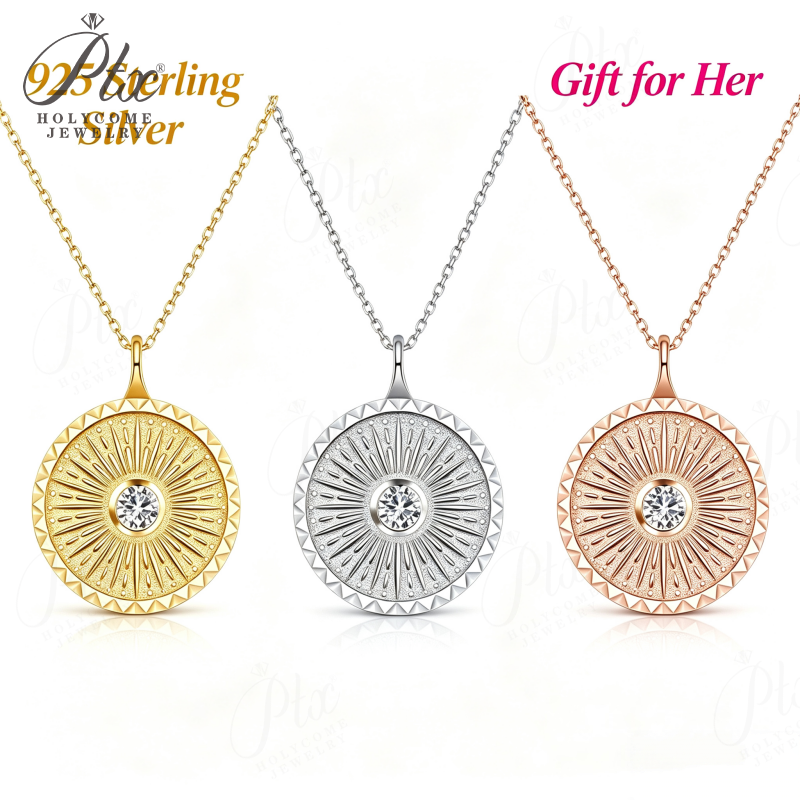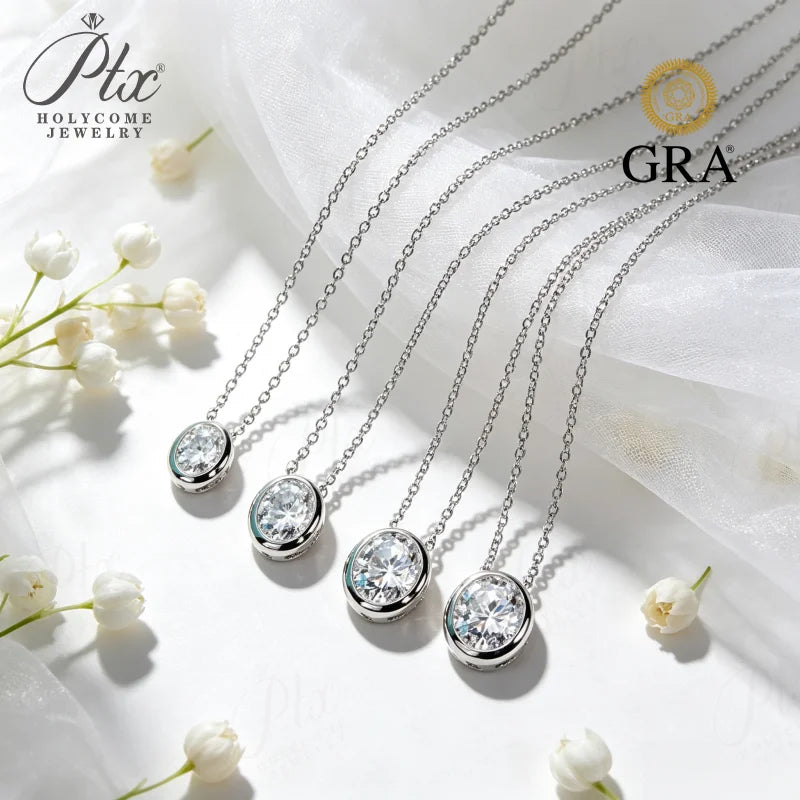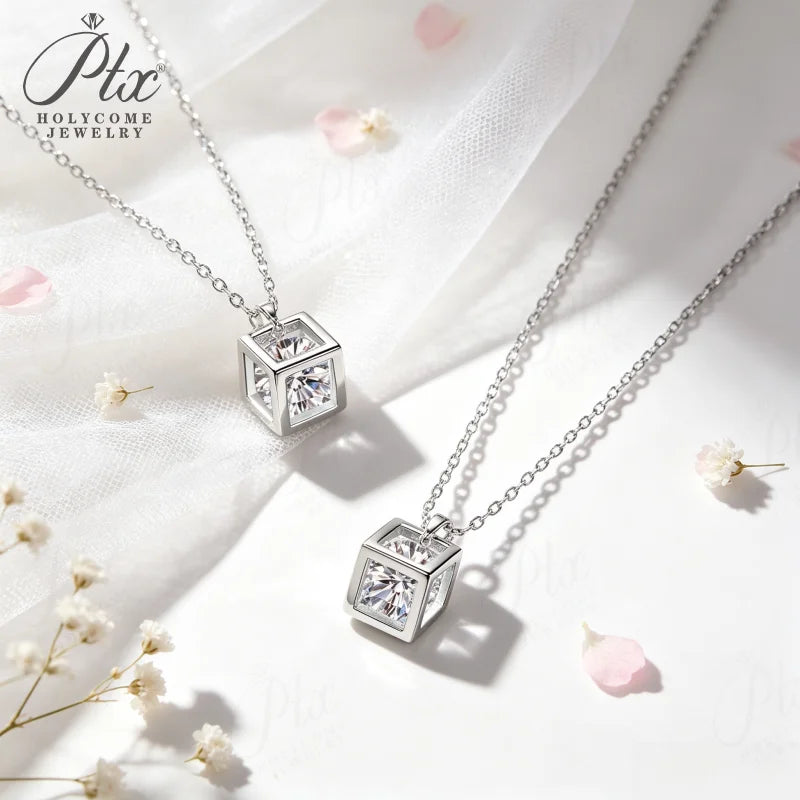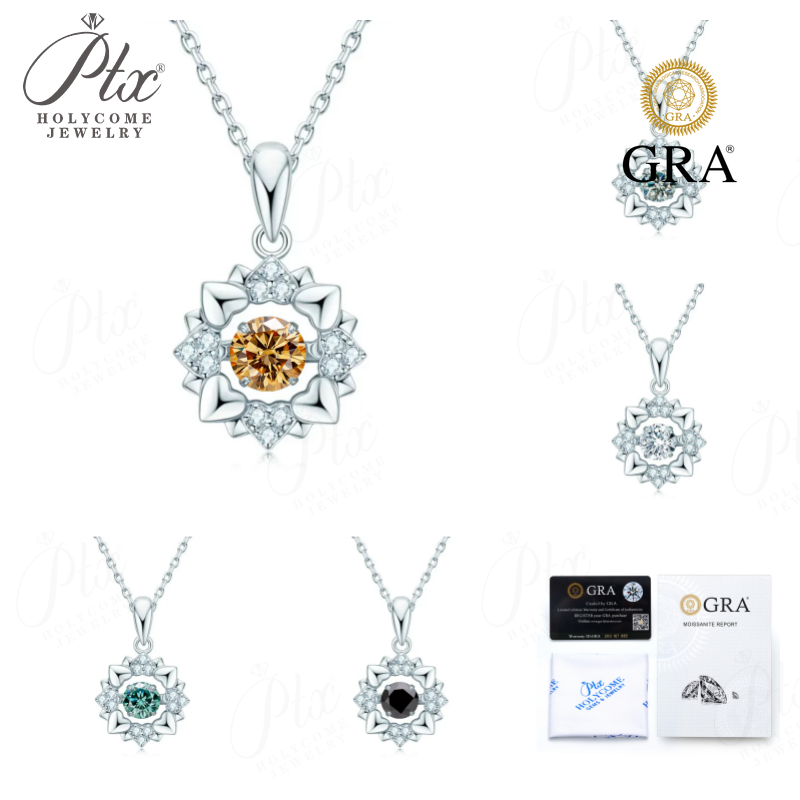
Selling necklaces into the US means four compliance questions before the first carton: what the metal stamp says, what the nickel release is, what the California warning requires, and what the entry paperwork states.
Stamps and metal claims
Sterling must be stamped 925 or Sterling. Gold must carry the karat, and the stamp must match the actual content within tolerance. On necklaces, a stamp that overstates purity is a misrepresentation, not a labelling slip.
Plated goods may carry the base metal stamp but must not be described as solid gold. The description and the stamp have to agree.
Photograph the first article before the batch runs. A shifted seat or a short prong is cheapest to fix at one piece.
Nickel release
Nickel release is regulated in the EU and treated as a sensitizer in US retail programs. Ask for a nickel release test on the alloy and on the plated finish, and keep the report with the PO.
On necklaces, the highest-risk parts are ear posts and clasps, because they sit against skin longest.
| Topic | Evidence | Owner | Frequency |
|---|---|---|---|
| Metal stamp | Stamp photo, XRF | Factory | Per lot |
| Nickel release | Test report | Factory | Annual |
| Prop 65 | Component test | Buyer decides | Per material |
| Import docs | Invoice, HTS | Buyer and broker | Per shipment |
Read the table as a checklist rather than a recommendation. The right row depends on the price band, the wear pattern and the channel you sell into.
Build the landing date from ship date plus transit plus clearance. Planning from the ship date alone makes every season a week late.
California Prop 65
Prop 65 requires a warning for listed chemicals above exposure thresholds. For jewelry, lead and cadmium in components and in plating are the usual focus. Ask for a component-level test, not a whole-product statement.
Put the warning decision in writing for each necklaces SKU. A generic site-wide warning is weaker than a per-SKU determination.
Import paperwork
The commercial invoice needs the correct classification, the country of origin, the material composition and the value per line. A vague description slows entry and invites a exam.
Keep the HTS code consistent across shipments. A changed code without a changed product is a documentation risk.
Write the remedy before the defect. A matrix agreed in calm weather is the only thing that settles a claim in a storm.
What to check before the order
Run the five checks below in order. The first two protect the money, the last three protect the launch date.
- Make the stamp match the content.
- Test nickel at the posts and clasps.
- Decide Prop 65 per SKU, in writing.
- Keep one HTS code per product family.
- Store every test report with the PO.
If a supplier cannot answer three of the five, treat the quote as a starting point rather than a plan. Ask again in writing and keep the answer with the PO.
Frequently Asked Questions
What stamp does necklaces need?
925 or Sterling for silver, the karat for gold, and the maker's mark where required. The stamp must match the tested content.
Is nickel testing required in the US?
It is not a federal requirement in the same way as the EU, but major retailers and platforms ask for it. Keep a current report.
When does Prop 65 apply?
When a listed chemical exceeds the exposure threshold. For jewelry, lead and cadmium in components are the usual concern.
Can I use one HTS code for all jewelry?
No. Classification follows material and construction. Ask your broker for the code per family and keep it stable.
What is the most common compliance failure?
A description that overstates the metal or the stone. The fix is a spec sheet that matches the test.
Should I buy stock or made to order?
Stock for the top three designs, made to order for the tail. Stock cover is a calculation from sell-through and lead time.
Send the necklaces material list. We return the stamp, nickel, Prop 65 and HTS checklist with the evidence each claim needs. See the full range at Necklaces and HOLYCOME.
None of this is exotic. It is a document, a measurement and a date, repeated until it becomes a process.