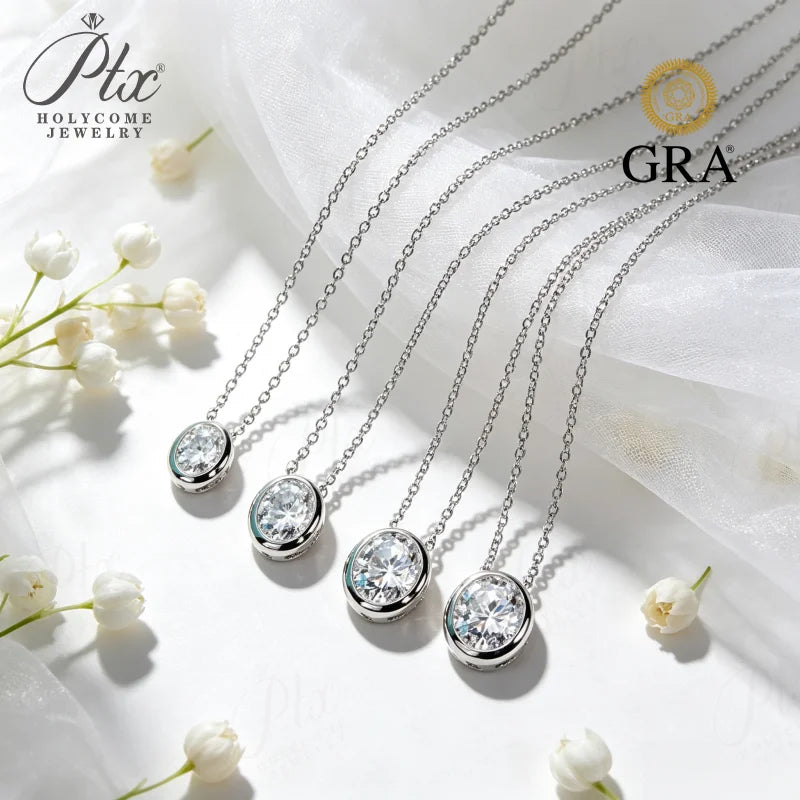
On necklaces, the calendar is the biggest cost driver after material. Orders placed in the wrong window pay a rush premium, a higher freight rate and a lower sell-through, all at once.
Window one: Valentine's, order in October
Valentine's selling runs from late January to mid February. On necklaces, the carton needs to be in the warehouse by the second week of January, which puts the PO in early October.
Peak factory queues start after the US Thanksgiving, so an October PO still gets a normal slot. A November PO does not.
Compare five cost lines instead of two totals. Metal, stone, labour, finishing and overhead explain a gap that a single number hides.
Window two: Mother's Day and graduation
Mother's Day is the second Sunday of May; graduation runs May to June. The PO belongs in February, with the carton landing by mid April.
On necklaces, this window overlaps with spring wedding season, so capacity is tighter than the calendar suggests.
| Event | PO window | Land by | Risk if late |
|---|---|---|---|
| Valentine's | Early October | Mid January | Rush freight |
| Mother's Day | February | Mid April | Capacity queue |
| Graduation | February | Early May | Split shipment |
| Holiday Q4 | June to July | Late September | Air freight premium |
Read the table as a checklist rather than a recommendation. The right row depends on the price band, the wear pattern and the channel you sell into.
Compare five cost lines instead of two totals. Metal, stone, labour, finishing and overhead explain a gap that a single number hides.
Window three: Q4 and holiday
Holiday selling starts in late October with early promotions and peaks in December. The carton should land by the last week of September, which means a June or early July PO.
This is the window where air freight becomes normal rather than exceptional. Budget for it in the landed cost from the start.
Window four: the slow season build
July and August are the cheapest months for capacity and freight. Use them to build the basics: the top ten designs in the core sizes, at program tier.
That stock covers the Q4 surge and lets you skip rush premiums on necklaces when everyone else is bidding for bench time.
Freight is a planning line, not an emergency line. A carton that lands two weeks early costs less than one that lands two days late.
What to check before the order
Run the five checks below in order. The first two protect the money, the last three protect the launch date.
- Work backward from the shelf date, not the PO date.
- Book Q4 capacity in June.
- Build basics in July and August.
- Budget air freight into the Q4 landed cost.
- Keep a 20 percent buffer on the first seasonal lot.
If a supplier cannot answer three of the five, treat the quote as a starting point rather than a plan. Ask again in writing and keep the answer with the PO.
Frequently Asked Questions
When should I place a necklaces order for Q4?
June to early July for a late September landing. Later than that and you are buying air freight.
Is the slow season really cheaper?
Yes, on both bench time and freight. July and August are the best months for basics.
How much buffer for a seasonal lot?
Twenty percent on the first run, ten on repeats, plus a split shipment plan for the top sellers.
Should I pre-build or chase demand?
Pre-build the top ten designs in core sizes. Chase the long tail with small repeat orders.
What if the season slips?
Move the stock to the next occasion and discount the tail. Do not pay a rush premium to rescue a missed window.
How do I compare two quotes for this item?
Split both into metal, stone, labour, finishing and overhead, then compare line by line. A single total hides the specification difference.
Send the necklaces seasonal plan and target shelf dates. We return a backward-scheduled PO calendar with capacity booked per window. See the full range at Necklaces and HOLYCOME.
The short version: specify the number, seal the sample, inspect against both. Everything else is negotiation.