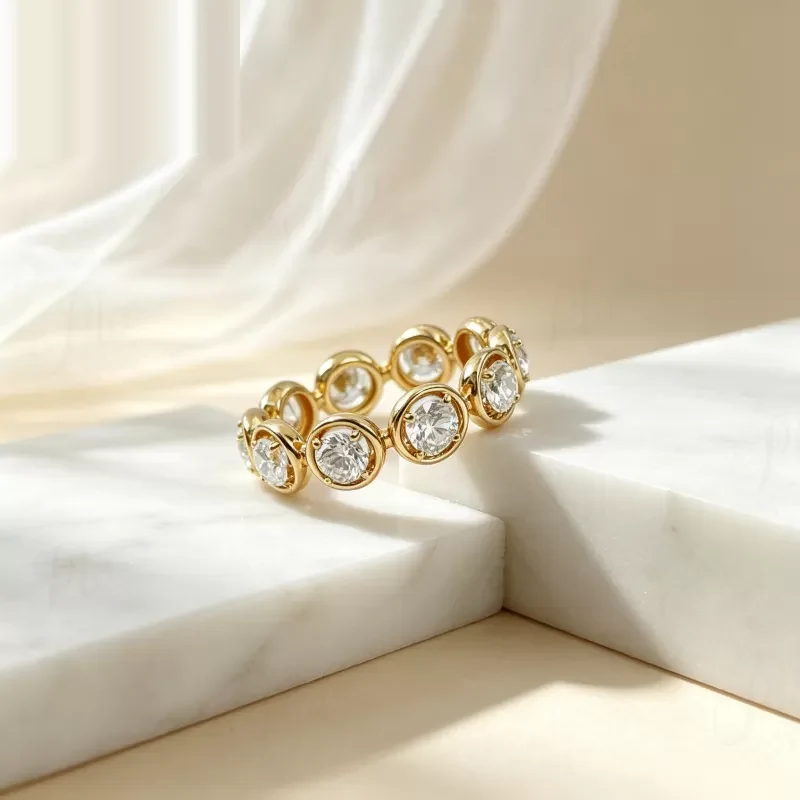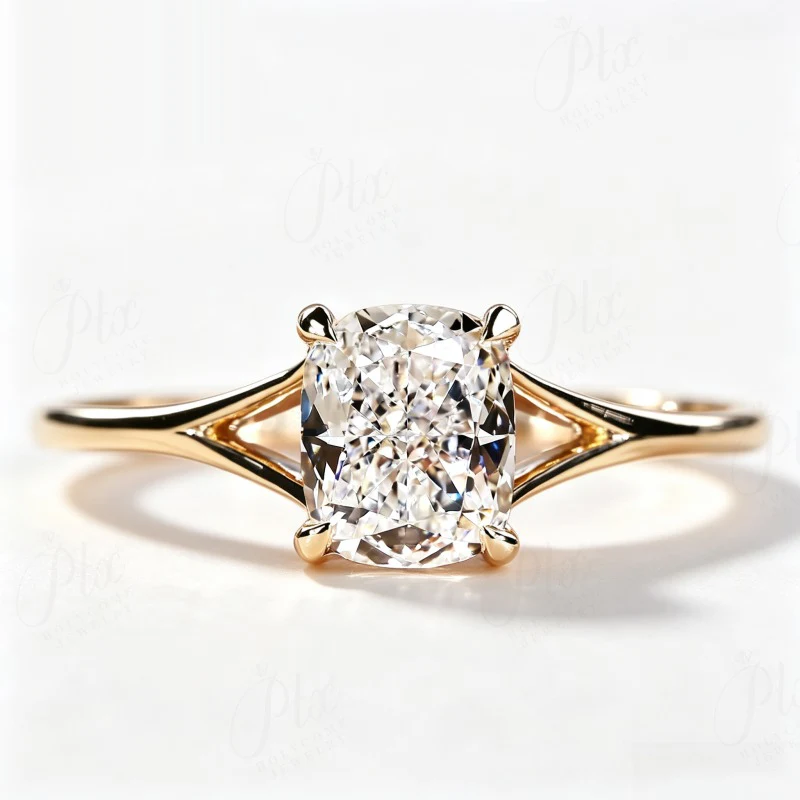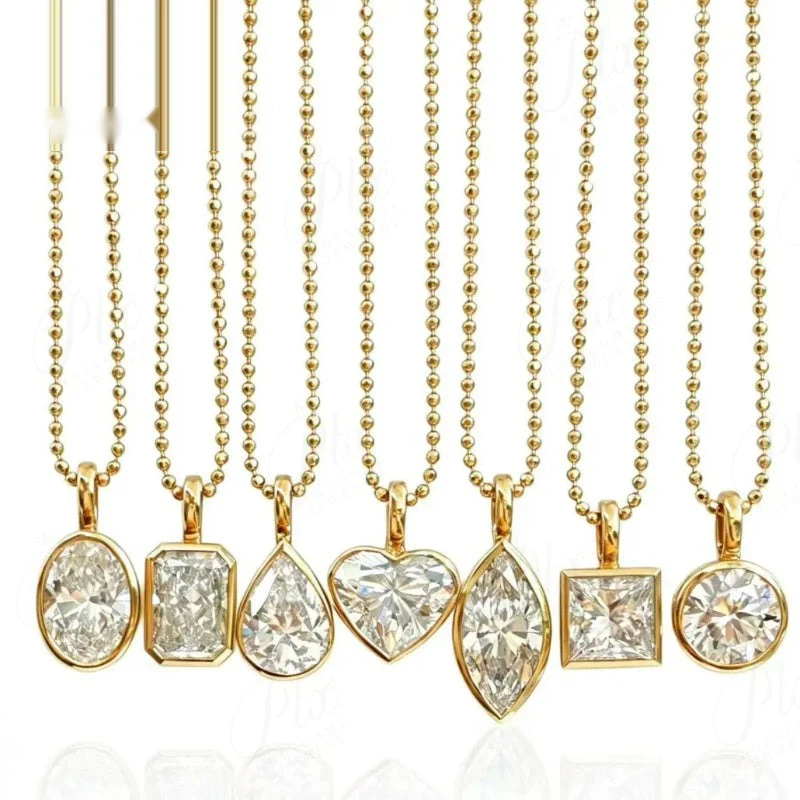
Walk into any jewelry store and the gap between a diamond ring and a moissanite ring looks almost too good to be true. A one-carat diamond in a basic setting can run into thousands of dollars, while a one-carat moissanite on a solid 925 silver band often costs well under a few hundred. Shoppers usually react the same way. If it looks that similar, why is the price so different? The answer comes down to how the stone is made, how supply is controlled, and what the market has decided a diamond is worth.
Moissanite is engineered, not mined
Natural moissanite is incredibly rare. The tiny amounts found in meteorites and a handful of rock formations are far too small to cut into jewelry. The moissanite sold today is grown in a laboratory under controlled heat and pressure. That means supply is a manufacturing decision, not a geological lottery. Producers can scale output as demand rises, which keeps pricing stable and transparent. Compare that to diamonds, where mining output, cartel-style distribution, and decades of marketing have propped up perceived scarcity. Our overview of what moissanite is covers this origin story in more detail.
What you are actually paying for
When you buy a mined diamond, part of the price covers extraction, sorting, brokerage, and a long chain of middlemen. When you buy a quality moissanite, you pay for the growth process, the precision cutting, and certification. The result is a stone that delivers strong optical performance at a cost that reflects the actual manufacturing rather than a myth of rarity. A well-cut moissanite also rates near the top of the Mohs hardness scale, so it wears like a serious everyday gem. See our Mohs scale guide for how that durability compares.
Size for size, the math favors moissanite
Because moissanite is priced by manufacturing rather than carat scarcity, you can choose a much larger center stone for the same budget. A two-carat equivalent moissanite in 925 silver often costs less than a small, lower-grade mined diamond. For many buyers, that trade is obvious: they want visible sparkle on the hand, not a premium attached to a tiny stone. The tradeoff is resale value, which we will be honest about next.
The value tradeoff, stated plainly
No responsible guide should pretend moissanite holds diamond-like resale value. It does not. Mined diamonds, even with all their markup, have a global secondary market. Moissanite is bought for its beauty and daily wear, not as an investment. If your goal is a ring that looks stunning, costs little, and wears comfortably every day, moissanite is the smarter buy. If your goal is a financial asset, a gemstone is simply the wrong vehicle either way. This is the same reasoning behind our moissanite versus cubic zirconia comparison, where quality and durability separate the real alternatives.
Certification is still worth asking for
The low price tag does not mean you should skip verification. Reputable moissanite comes with a grading report that confirms color, clarity, and carat. That paperwork protects you from confusion with cheaper simulants. Our guide to moissanite certification explains which reports matter and how to read them. A certified stone on a stamped 925 silver band gives you confidence that the piece is both real and built to last.
How the price is built up on a silver setting
The stone is only part of the final price. When you buy a finished ring, you are also paying for the 925 silver band, the setting labor, polishing, and often a certificate and packaging. On a diamond ring those labor and markup layers stack on top of an already expensive stone. On a moissanite ring the same layers sit on top of an affordable stone, which is why the finished piece can be so approachable. This is also why stamped sterling matters: a quality band protects the part of the price that is actually metal and craft.
For retailers, that layered cost structure is good news. It leaves healthy room for markup without scaring customers, because the starting price is honest and transparent. You are not asking a shopper to swallow a mystery premium. You are showing them a certified stone, a real silver band, and a setting they can see and weigh. That transparency builds trust, and trust is what turns a first buyer into a repeat customer who understands exactly what they are paying for.
The economics are straightforward. Moissanite is a lab-grown, high-hardness gem with scalable supply, so its price reflects production, not manufactured scarcity. You get a larger, brilliantly fiery stone on a durable silver band for a fraction of a diamond, in exchange for accepting that it is a beauty purchase, not an investment. For most couples choosing an everyday ring, that is a trade worth making.
Gemstone grading terminology used here follows the Gemological Institute of America’s gem encyclopedia.
Frequently Asked Questions
Is moissanite a good diamond alternative for retail buyers?
Yes for price-sensitive customers who want brilliance and hardness. Moissanite ranks 9.25 on the Mohs scale, holds up to daily wear and costs a fraction of a natural diamond of the same size, so it resells fast in bridal and fashion lines.
What is the minimum order for wholesale moissanite?
MOQ starts at 50 pieces per design for stock items. Custom cuts and private-label settings usually start at 100–300 pieces depending on the mold.
Do you provide certificates with moissanite stones?
Yes. Every parcel ships with GRA or IGI documentation listing carat weight, color grade and cut. We recommend passing the certificate to your end customer for trust.
How long does sample and bulk production take?
Samples ship in 3–5 days. Bulk runs take 15–20 days under 500 pieces, and 25–30 days for custom work.