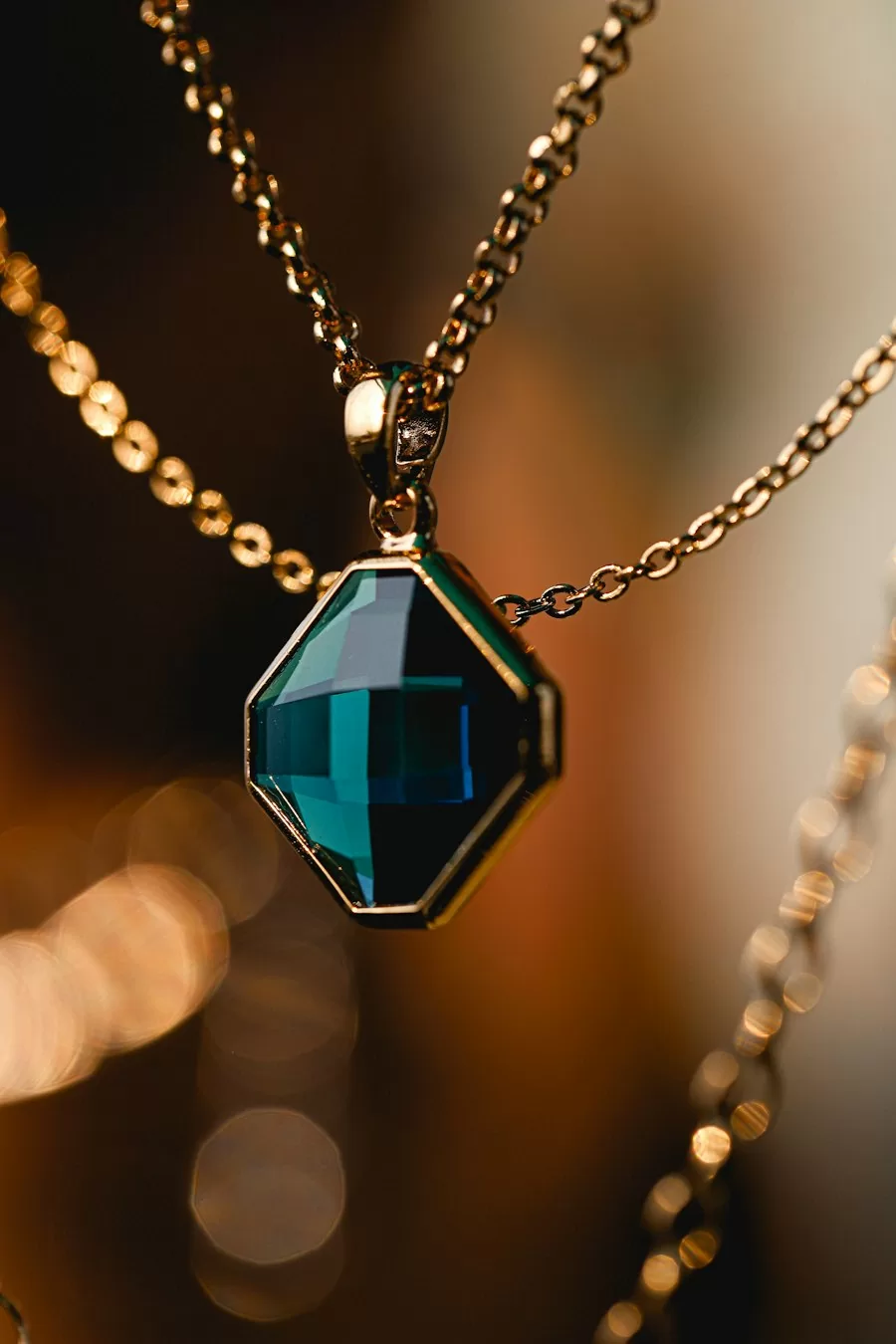
Natural diamonds are graded for clarity (per GIA's diamond grading standards) because they grew underground with all kinds of mineral bits trapped inside. Moissanite is created in a lab, so shoppers often assume every stone arrives perfectly clean. That assumption is wrong. Lab growth still leaves behind tiny crystals, flow lines, and clouding, and those inclusions change how a finished ring looks. Understanding moissanite clarity helps retailers reject weak stock and explain quality to customers who would otherwise compare you to a diamond grading chart they do not actually understand.
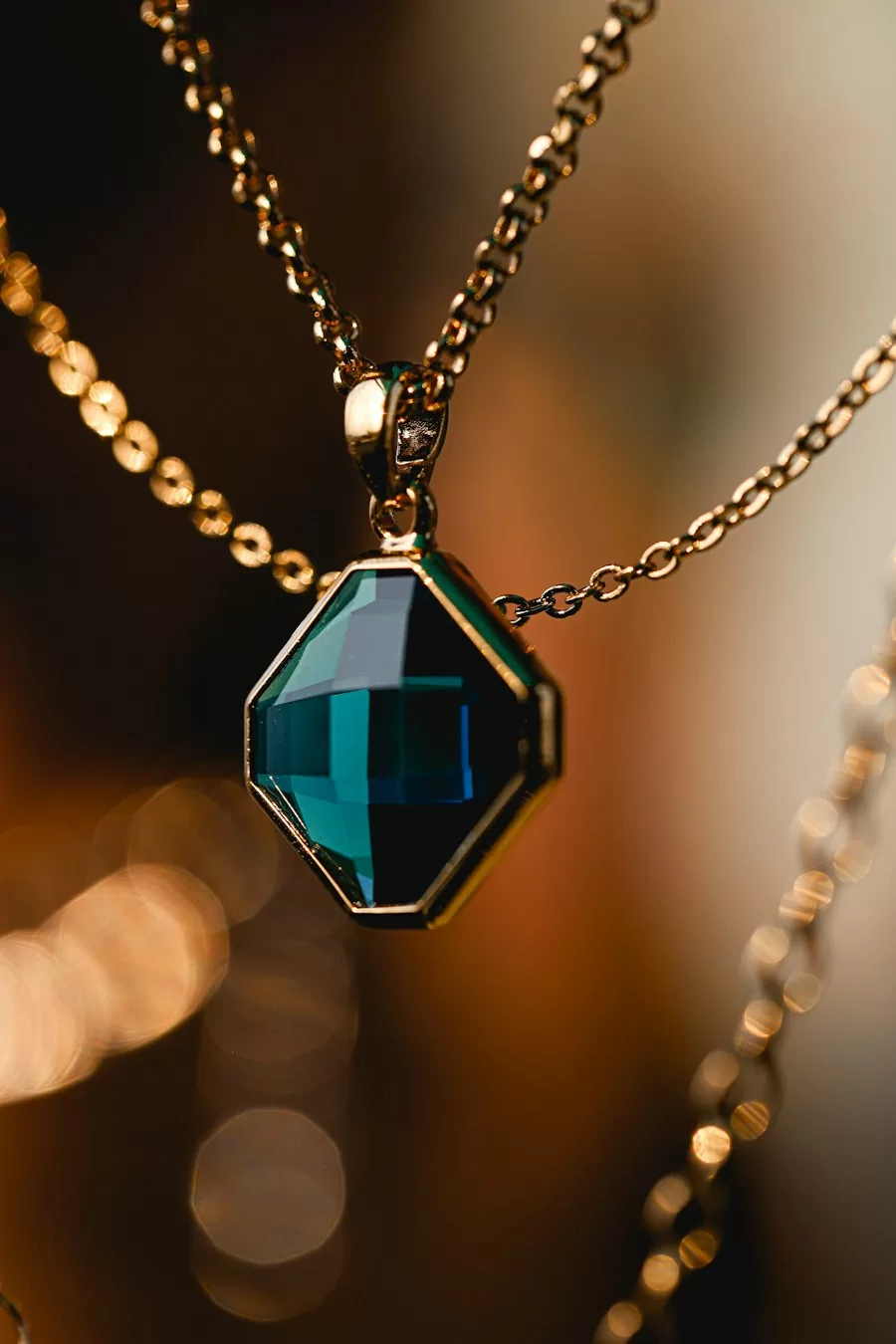
Because moissanite grows through a temperature-controlled crystal process, it tends to be far cleaner than most mined stones. Top grades look eye-clean to almost anyone. But "eye-clean" is the real standard that matters, not a perfect microscope grade. Most customers will never own a loupe, and they are buying the stone with their eyes, not under magnification.
What the inclusions actually look like
The most common internal feature in moissanite is the "growth line" or veil, a faint wisp running through the crystal that resembles a soft feather. You might also see tiny pinpoint crystals clustered in one spot, or a darker needle-like inclusion where the growth tube cooled unevenly. None of these automatically disqualify a stone. A pinpoint cluster hidden behind a prong or off-center is invisible once the ring is set. The same cluster placed dead center under the table facet, where every eye lands, becomes a distraction.
What you do reject is a large dark crystal that catches direct light, a crack that reaches the girdle (which can weaken the stone), or heavy clouding that makes the center look milky instead of bright. Moissanite lives on its brilliance. A cloudy stone loses the whole reason to choose it over cheaper cubic zirconia.
Eye-clean vs. loupe-clean
Diamond grading uses eleven clarity tiers, from flawless to heavily included. Moissanite does not need that ladder. The practical test is whether a flaw is visible to a normal eye at a normal viewing distance, under store lighting, with no magnification. If it passes that test, it is eye-clean, and for a fashion or bridal ring sold to everyday wearers, eye-clean is enough.
Ask your supplier for stones graded VS or equivalent in their internal system, but do not pay a premium for "flawless." Flawless moissanite exists, but the price jump rarely translates into anything a customer can see. Spend your budget instead on a sharper cut, because cut quality drives moissanite's fire far more than clarity does.
Color interacts with clarity
An inclusion that is barely visible in a near-colorless stone can become obvious in a heavily colored moissanite. Fancy green, gray, or yellow stones hide flaws less gracefully because the color itself draws the eye inward. If you are stocking colored moissanite, tighten your clarity standards by a notch and inspect each stone under both natural and LED light. A cloudy center in a green stone looks like a bruise; the same stone in white looks like character.
How to inspect stock on arrival
Build a simple receiving routine. Lay stones on a white surface under a bright daylight-balanced lamp. Rotate each one and look through the table facet from directly above. If you spot something, check whether a setting position can hide it. Then inspect from the side. Side-facing flaws are the ones customers notice when they twist the ring on their finger. Photograph anything questionable before it goes into inventory, so you have evidence for a return claim if needed.
Do the same check with a cheap 10x loupe if you want to compare consistency across batches. You are not grading for a certificate; you are confirming that your supplier shipped the tier they promised. If one batch suddenly shows more veiling than the last, that is a production shift worth flagging before it becomes a pattern.
How to talk about clarity with customers
You do not need to hand shoppers a grading sheet. Keep the language plain: the stone is eye-clean, the inclusions are tiny and hidden by the setting, and the brilliance is what they should judge. Avoid overclaiming "flawless" unless you can prove it; customers who later compare stones online will notice. Instead, emphasize that moissanite is lab-grown and consistent, and that you inspect every ring for sparkle first. Pair that with a certification explanation for buyers who ask, and most will feel confident enough to buy.
Clarity in moissanite is not a reason to panic or to overpay. It is a filter. Use it to drop the rare stone that looks dull or marked, and trust the cut to do the selling. The result is inventory that looks brighter on the shelf and returns fewer complaints after delivery.
Frequently Asked Questions
Is moissanite a good diamond alternative for retail buyers?
Yes for price-sensitive customers who want brilliance and hardness. Moissanite ranks 9.25 on the Mohs scale, holds up to daily wear and costs a fraction of a natural diamond of the same size, so it resells fast in bridal and fashion lines.
What is the minimum order for wholesale moissanite?
MOQ starts at 50 pieces per design for stock items. Custom cuts and private-label settings usually start at 100–300 pieces depending on the mold.
Do you provide certificates with moissanite stones?
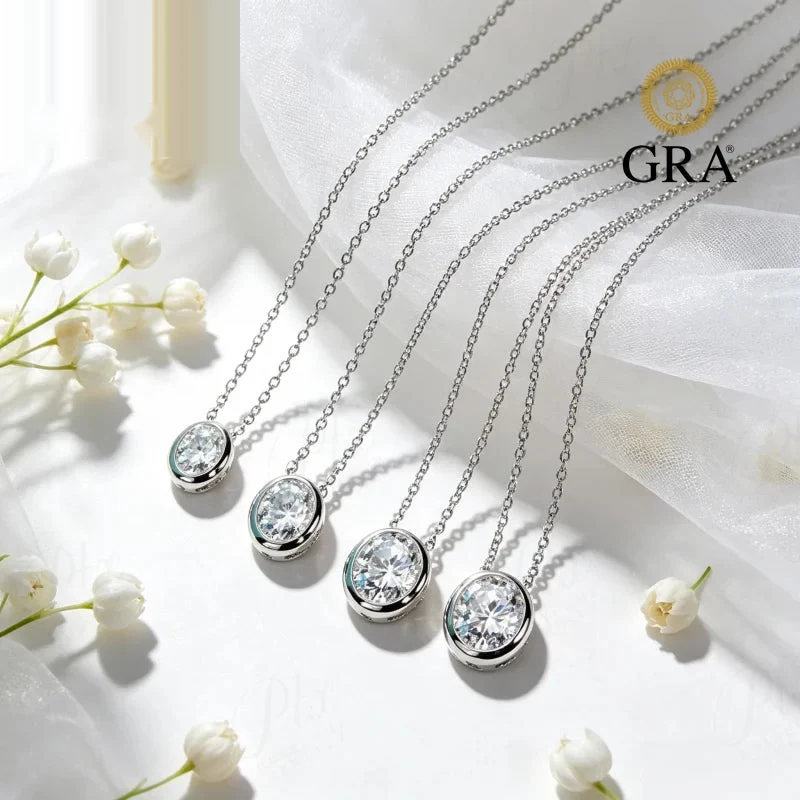
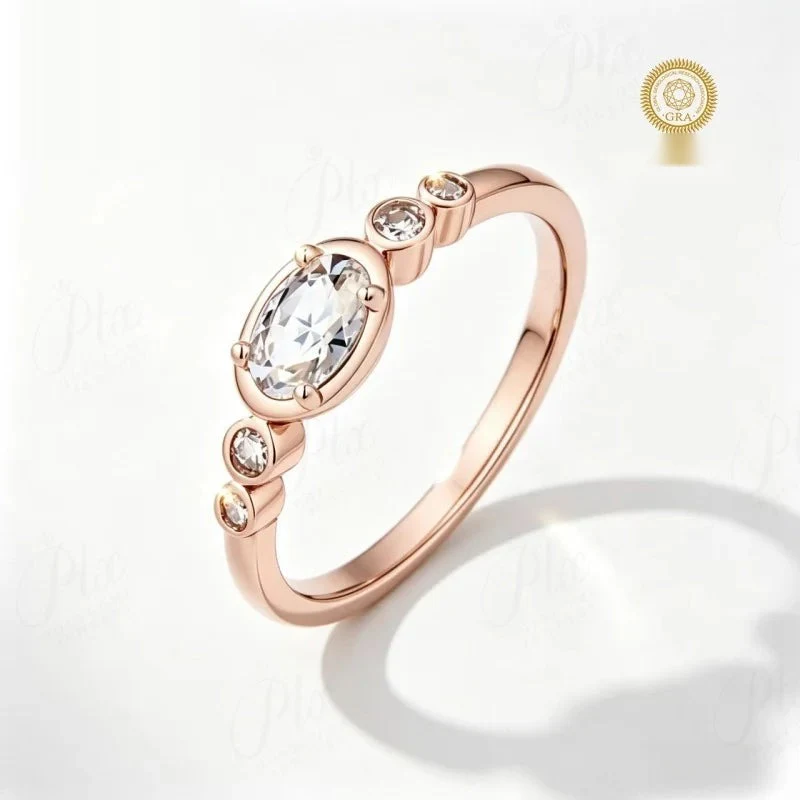
Yes. Every parcel ships with GRA or IGI documentation listing carat weight, color grade and cut. We recommend passing the certificate to your end customer for trust.
How long does sample and bulk production take?
Samples ship in 3–5 days. Bulk runs take 15–20 days under 500 pieces, and 25–30 days for custom work.