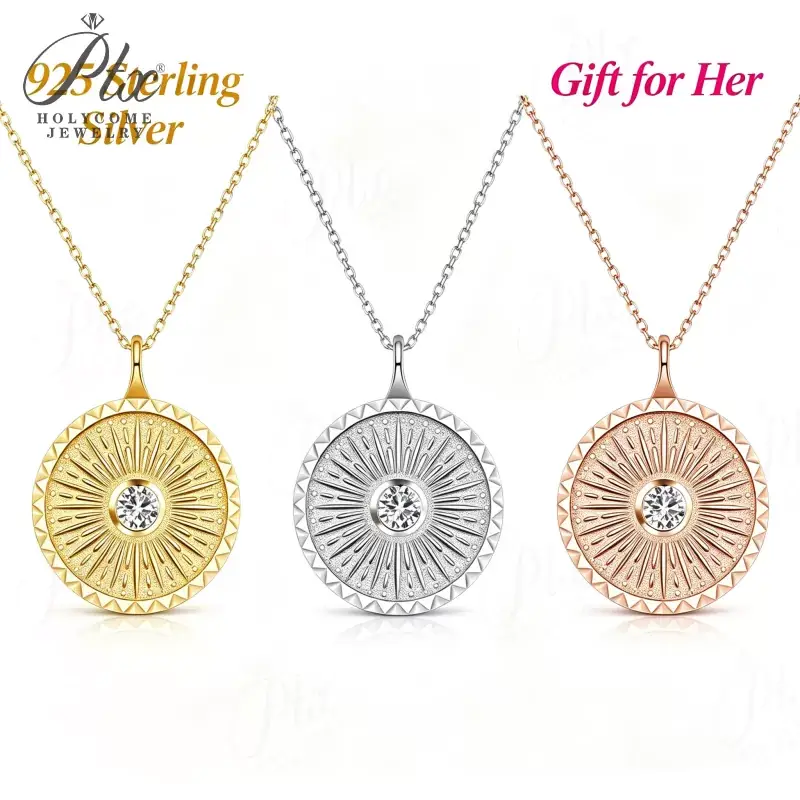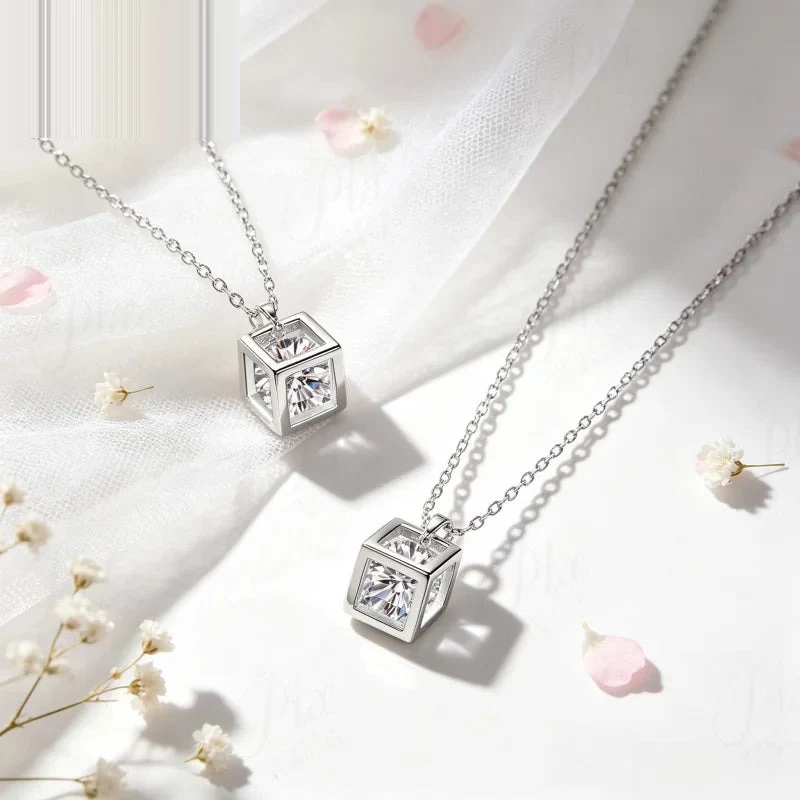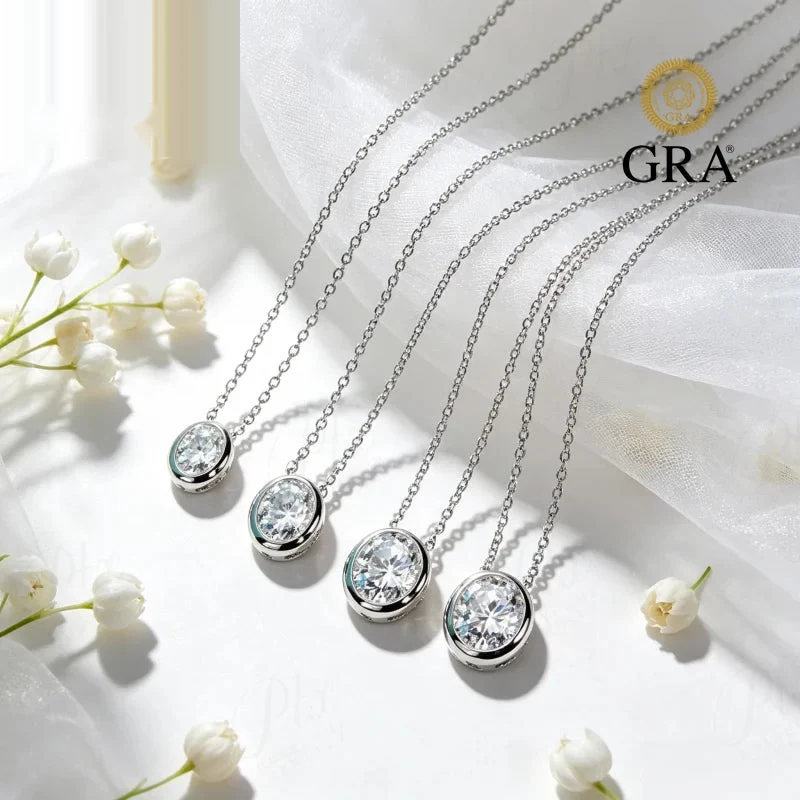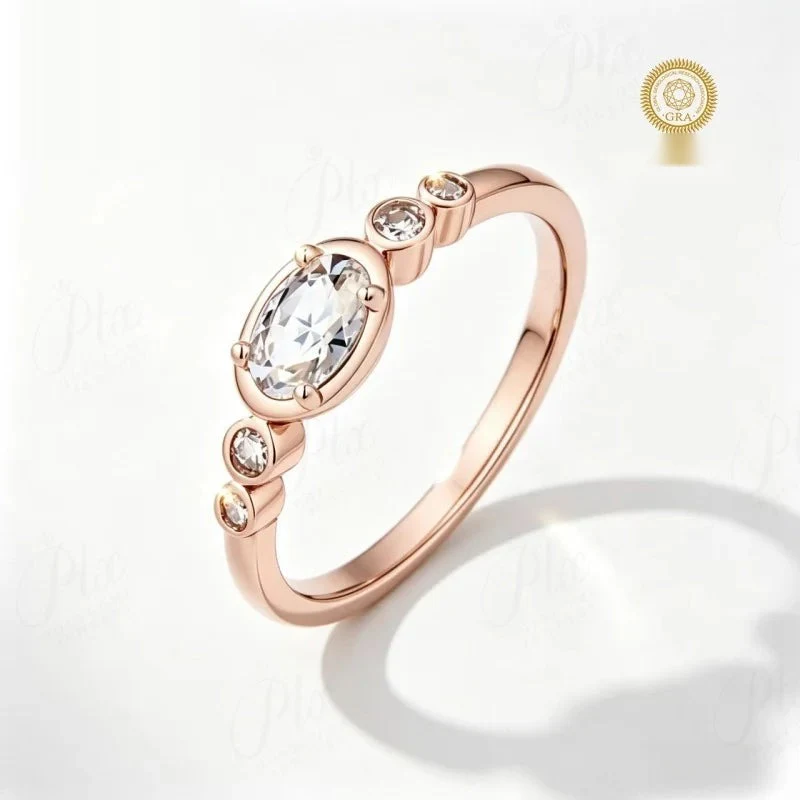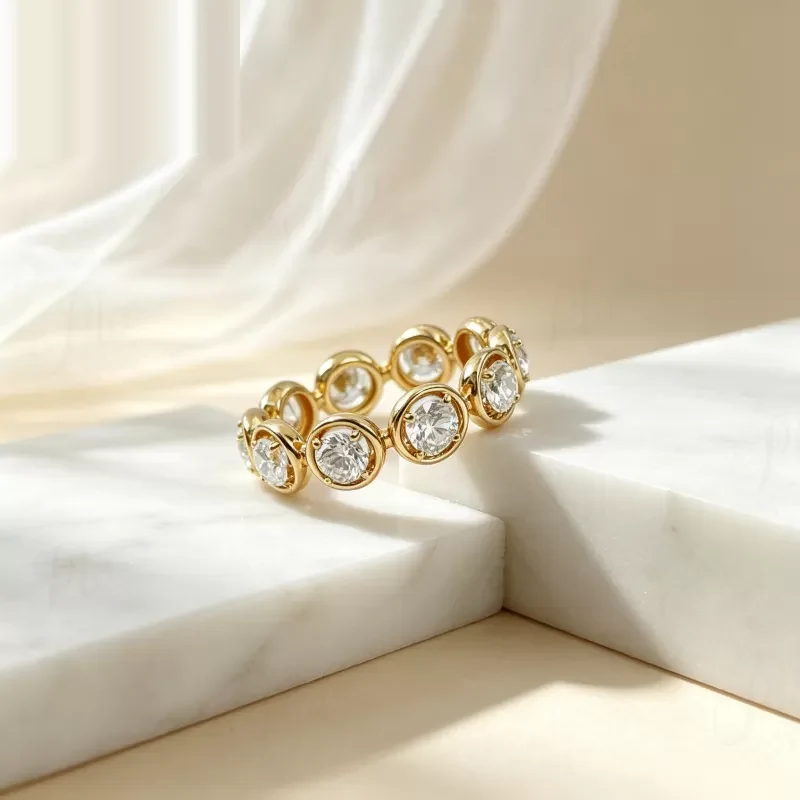
A US bridal brand sent us a hand sketch of a vintage three-stone moissanite ring in 2024. Their previous designer turned it into a CAD model that looked perfect on screen. When the wax prototype came back, the center stone sat 1.2mm too high, the side stones were misaligned, and the band thickness was 0.8mm too thin. It took 5 rounds of revisions and 6 extra weeks to fix. They lost their holiday launch window and $90,000 in projected sales. We took over the project, got the CAD right on the second draft, and delivered production pieces 18 days later. CAD quality makes or breaks custom jewelry projects.
We have completed over 12,000 custom moissanite CAD designs since 2014. This guide walks through our exact process, including the checkpoints that catch errors before they reach prototyping, typical pricing, timelines, and how many revisions you should expect. We include the technical details that matter for production, not just pretty renders.
What a Proper Moissanite CAD Process Delivers
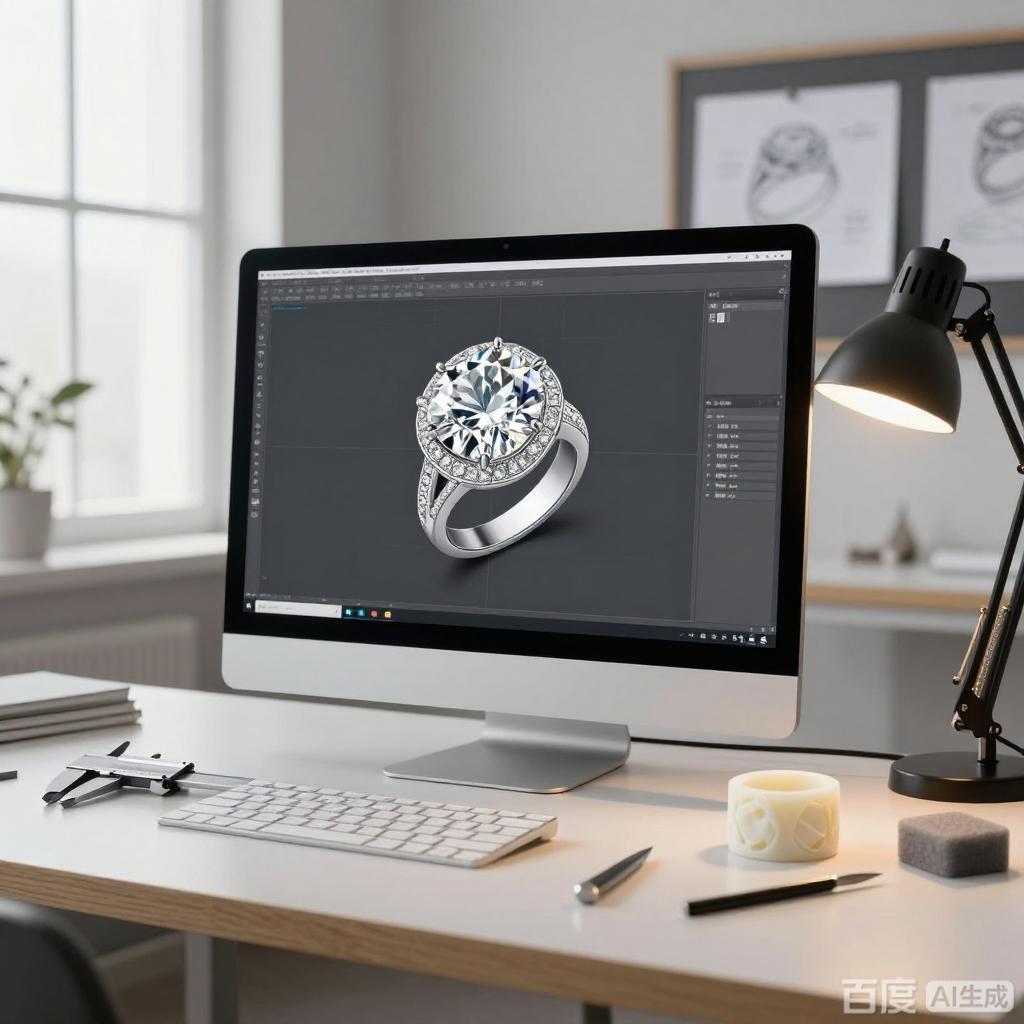
CAD is not just about making a 3D model that looks good. It is about creating a production-ready file that casts cleanly, sets stones correctly, and matches your design intent exactly. Bad CAD is the #1 cause of custom jewelry delays and cost overruns.
A production-ready moissanite CAD model includes:
- Exact stone seat dimensions: Every moissanite size has a specific seat depth and diameter calibrated to within ±0.03mm. A seat that is 0.05mm too deep causes the stone to sit too low, reducing sparkle. A seat that is too shallow causes the stone to sit high and risk chipping.
- Prong thickness and placement: Prongs must be positioned to cover exactly 15-20% of the stone girdle for security without blocking light. Thickness is calibrated by metal type: 1.0mm for platinum, 0.9mm for 18k gold, 0.8mm for 14k gold, 0.7mm for sterling silver.
- Uniform wall thickness: Casting fails when wall thickness drops below 0.6mm for gold or 0.8mm for silver. The CAD must maintain minimum thickness everywhere, including under settings and along shanks.
- Shrinkage compensation: Metal shrinks 2-3% during casting depending on alloy. The CAD model is scaled up slightly to account for this, so the final cast piece matches exact size specs. Most new designers forget this step, resulting in rings that come out 0.25-0.5 size too small.
- Casting sprue locations: Sprues are placed in hidden areas (usually the bottom of the shank) where cleanup marks will not show. Poor sprue placement leaves visible marks on the face of the piece.
Our team uses RhinoGold and MatrixGold software, the industry standard for jewelry CAD. All our designers are trained in gemology and stone setting principles in addition to CAD, which is why our models rarely require more than one revision. We follow ISO 9001 documentation standards for all design files, so any future orders or modifications can be pulled up instantly without redrawing.
According to Wikipedia, CAD/CAM reduced custom jewelry production time by 60-70% compared to hand carving wax models, and cut prototyping costs by more than half. The technology is accessible, but the skill is in knowing jewelry manufacturing well enough to design something that can actually be made.
Industry Average CAD Service vs HOLYCOME CAD Process
Not all CAD services are equal. Freelance designers and cheap overseas services often produce models that look good on screen but cannot be manufactured without major changes. The table below compares typical offerings to our process.
| CAD Service Feature | Freelance/Generic Service | HOLYCOME Production CAD |
|---|---|---|
| Designer background | General 3D artist, no jewelry manufacturing experience | GIA-trained gemologist + 5+ years jewelry production experience |
| Shrinkage compensation | Often missed or incorrect | Calibrated per metal alloy, exact scale factor applied |
| Stone seat calibration | Generic sizes, no tolerance specs | ±0.03mm tolerance matched to exact moissanite dimensions |
| Wall thickness check | Visual only | Automated mesh analysis to flag areas under minimum thickness |
| Revision rounds included | 1-2 rounds, extra rounds $30-$50 each | 3 rounds included; over 90% approved in 1-2 rounds |
| Turnaround time | 3-7 days per revision | 24-48 hours for first draft, 12-24 hours per revision |
| Render quality | Basic preview renders | Photorealistic 4K renders in white gold/yellow gold/rose gold |
| File formats delivered | STL only | STL, 3DM, render images, weight estimate, casting instructions |
| Wax prototype guarantee | No guarantee; you pay for bad prints | If wax prints wrong due to CAD error, we fix for free |
| Price per design | $50-$150 | $35-$90 for production-ready files (free for bulk orders) |
The biggest hidden cost of cheap CAD is wasted wax prints and casting runs. A bad $50 CAD file can easily cost you $200+ in wasted materials and a week of delay when it fails to cast. We guarantee our CAD files will cast correctly and set stones properly; if there is a CAD-related issue, we cover the cost of reprinting and recasting.
Step-by-Step Moissanite CAD Design Process
We follow an 8-step process for every custom moissanite design. This same process works for rings, earrings, necklaces, pendants, and bracelets.
- Consultation and spec collection: We start with a 30-minute call (or detailed form) to collect all specs: metal type, moissanite sizes and shapes, setting style, band width/depth, finish, engraving, and any design references or sketches you provide. We flag any design elements that will cause manufacturing issues at this stage (extremely thin prongs, stones too large for the design, etc.) before we start drawing.
- Stone dimension verification: We pull exact dimensions for every moissanite in the piece from our stone database. Moissanite cuts have slightly different dimensions than diamonds of the same carat weight; we use actual measured dimensions, not generic mm-to-carat charts. This eliminates seat fit issues.
- Initial blocking: The designer builds a basic volume model of the piece, checking overall proportions, finger size (for rings), chain placement, and stone positions. We send a quick screenshot for proportion approval before adding detail. 70% of major design changes happen at this stage, before detail work is wasted.
- Detailed modeling: We add prongs, seats, engraving, milgrain, filigree, and all decorative details. We apply wall thickness checks and minimum prong thickness checks as we model. Stone seats are cut to exact dimensions for each moissanite.
- Shrinkage compensation: We scale the entire model up by the correct factor for your chosen metal: 2.2% for 14k gold, 2.4% for 18k gold, 2.8% for sterling silver, 1.8% for platinum. This ensures the final cast piece matches your exact size requirements.
- Render and delivery for review: We generate 4-6 photorealistic renders from multiple angles (top, side, profile, 3/4 view) in your chosen metal finish. We also provide a weight estimate in grams and estimated metal cost. You can mark up changes directly on the renders, or describe them in writing.
- Revisions: We make requested changes and send updated renders. We include 3 rounds of revisions in our standard pricing. Most designs are approved at round 1 or 2. For complex designs (vintage filigree, nature-inspired), we may include extra revision rounds at no extra cost.
- Final file delivery and prototyping: Once approved, we send the final STL and 3DM files, ready for 3D printing/wax carving. We can also handle wax printing, casting, setting, finishing, and full production in-house if you want us to manufacture the piece. Files are stored permanently in our system, so reorders are instant.
For bulk custom designs (10+ styles for a collection), we assign a dedicated designer to your project and batch revisions to speed up the process. We can turn around an entire 30-piece collection in 7-10 days, compared to the industry average of 4-6 weeks.
Common CAD Design Mistakes That Kill Production
We have fixed hundreds of bad CAD files from other suppliers. These are the issues we see most often, and how we prevent them.
Incorrect stone seats: The most common error. Designers use diamond dimensions for moissanite seats, which are slightly different. For example, a 1ct round moissanite is 6.5mm, same as diamond, but a 1ct oval moissanite is 8.0x6.0mm while a 1ct oval diamond is 7.7x5.7mm. That 0.3mm difference makes the stone either not fit or sit too loose. We use actual moissanite caliper measurements from our stock for every design.
Prongs placed over crown facets: Prongs should sit on the girdle, not on crown facets. Prongs on facets block light return and cause dark spots in the stone. We align prongs exactly on the girdle edge in CAD, and our setters double check during setting.
Insufficient metal thickness under stones: There needs to be at least 0.5mm of metal under a stone seat to prevent cracking during setting and wear. Many designers cut seats too deep, leaving a paper-thin layer of metal that breaks when the stone is pressed in.
Sharp internal corners: Sharp corners in the model create stress points that crack during casting or finishing. We add a minimum 0.2mm radius to all internal corners to prevent cracking.
For brands that already have CAD files from another designer, we offer a free manufacturability review. We will load your file, run our production checks, and flag any issues that will cause casting or setting problems before you spend money on prototyping. Custom moissanite ring projects under 50 pieces still include full CAD design as part of our pricing, no separate charge.
Which CAD Option Fits Your Project?
Choose your CAD workflow based on the size and complexity of your project.
If you are testing a single new design: Use our standard CAD service, one-off price $50-$75 depending on complexity. You get 3 revisions, photorealistic renders, and production-ready files. We can produce a wax prototype and cast sample for an additional $150-$250 depending on metal, so you can test the physical piece before committing to bulk production.
If you are launching a collection (10+ styles): We offer discounted bulk CAD pricing of $35-$50 per design, with a dedicated designer and priority turnaround. We include free manufacturability reviews on all designs, and can move directly into bulk production without reworking files. For custom earring collections and custom pendant lines, this cuts your total development time from months to weeks.
If you need modifications to existing designs: We can modify any existing CAD file (yours or ours) - changing stone sizes, adjusting band width, adding engraving, changing setting styles - for $25-$40 per modification. This is the fastest way to spin off new SKUs from a successful base design.
If you have ongoing private label production: CAD design is free for all orders over 200 pieces per style. We maintain your entire design library, and can modify or adapt designs at any time for no extra charge. We also provide CAD files in your branding if needed, with no HOLYCOME watermarks.
Frequently Asked Questions
Q: Do I need to provide a sketch, or can you design from an idea?
We can work from sketches, reference photos, Pinterest boards, verbal descriptions, or even napkin drawings. The more specific you are about proportions and details you like, the faster we get to the right design. If you only have a general idea, we can provide 2-3 initial concept sketches for you to choose from before moving to CAD.
Q: Can you match an existing ring exactly?
Yes. We can replicate almost any existing design if you send clear photos from multiple angles and specify key dimensions. For exact matches, we recommend sending a physical sample if possible; we can 3D scan it and reverse engineer the CAD model to within ±0.02mm accuracy.
Q: Who owns the CAD files after I pay for them?
You own full rights to the final approved CAD files for your design. You can use them with any manufacturer, modify them, or register them for design protection. We keep copies on file for your convenience for future reorders, but you own full intellectual property rights to your custom designs.
Q: How long does the full CAD to prototype process take?
First CAD draft: 24-48 hours. Revisions: 12-24 hours each. Once CAD is approved, wax printing takes 1-2 days, casting 3-5 days, setting and finishing 3-5 days. Total time from initial inquiry to finished sample in your hand: 12-18 days typically. Rush service is available for an extra 20% fee, cutting total time to 7-10 days.
Q: Can you provide CAD files for my website or marketing?
Yes. We provide high-resolution renders of finished designs that you can use on product pages, social media, and ads before you even have physical inventory. We can also provide 360-degree turntable renders and AR-ready files for websites that support virtual try-on.
Key Takeaways
- Good CAD is production-ready, not just pretty on screen. It must account for stone fit, shrinkage, wall thickness, and casting requirements.
- Cheap freelance CAD often leads to hundreds of dollars in wasted prototyping and weeks of delays. Look for designers with actual jewelry manufacturing experience, not just general 3D skills.
- Our 8-step process delivers approved CAD in 24-48 hours for first draft, with 90% of designs approved in 1-2 rounds.
- We guarantee our files cast and set correctly; any CAD-related defects are fixed free of charge.
- Bulk and private label orders include free CAD design.
Have a custom moissanite design you want to develop? Send us your sketch or idea, and we will send a free initial consultation and price quote within 24 hours. First-time clients get a free manufacturability review on their first design. - HOLYCOME