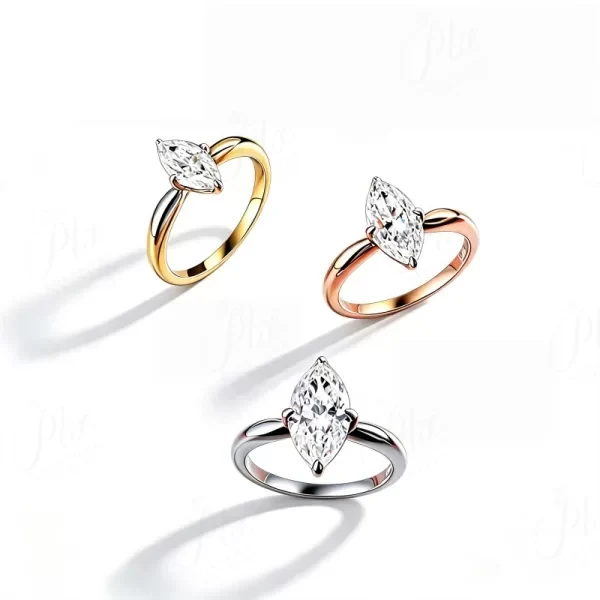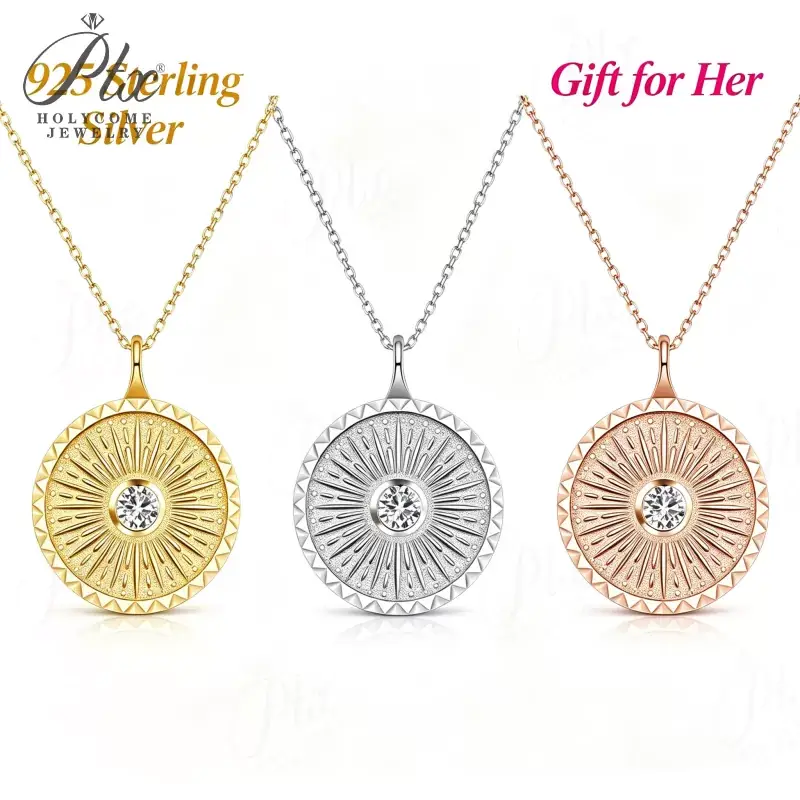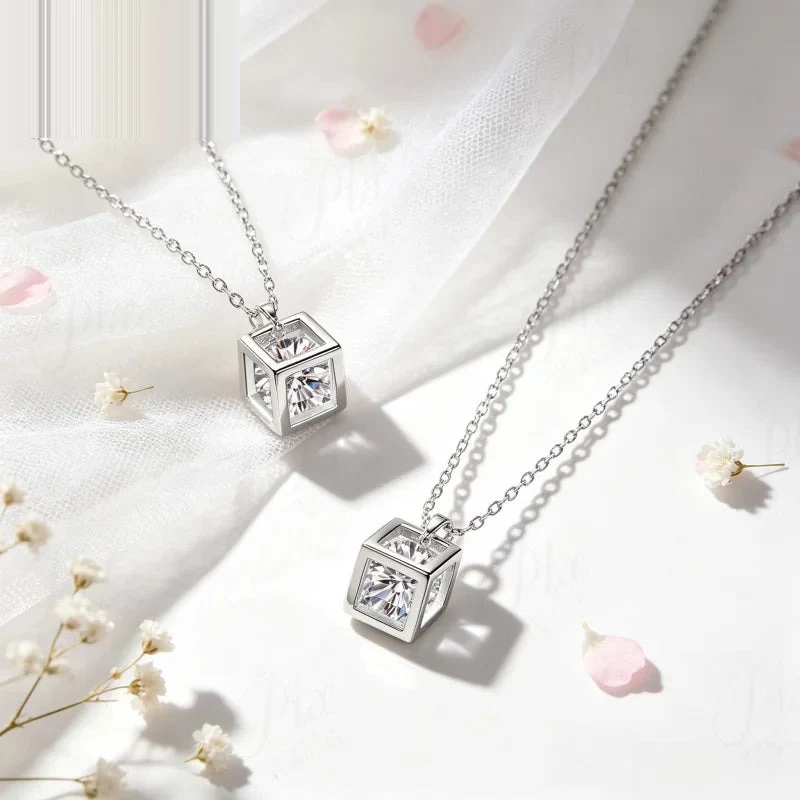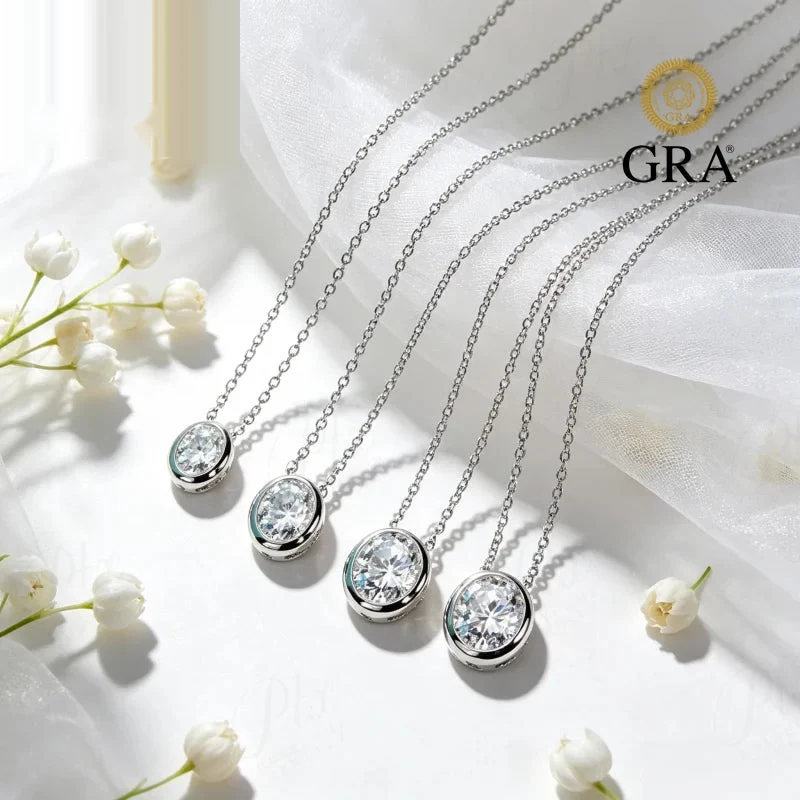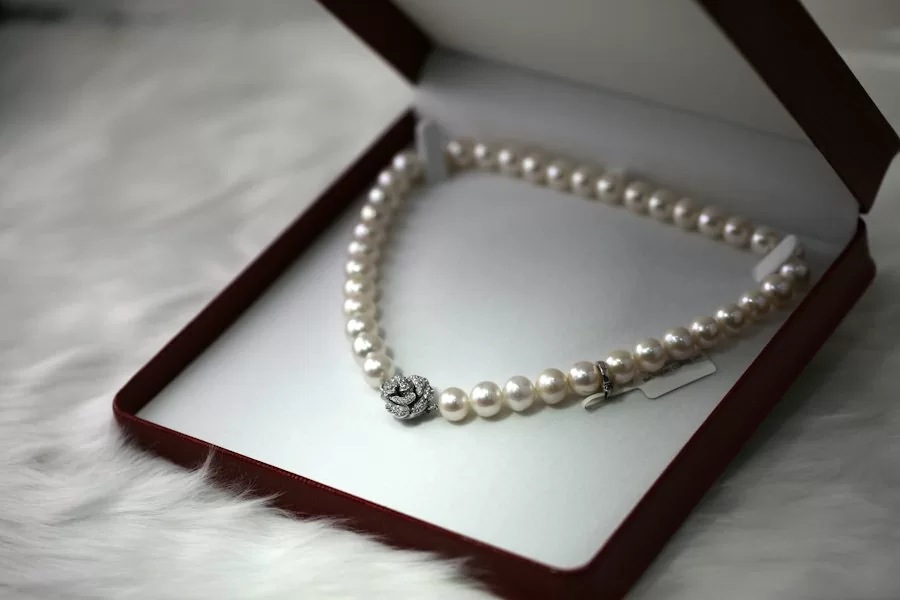
Couples spend weeks choosing the perfect moissanite engagement ring, then treat the wedding band as an afterthought. That is a missed step. The band is not a separate purchase. It is the second half of a design that will sit on the same finger, touching the same ring, for decades. A band that leaves a gap, fights the setting, or clashes with the profile will annoy the wearer every single day. Get the pairing right the first time and the whole stack feels intentional. Get it wrong and people notice without knowing why.
Start with the profile of the engagement ring
The shape of the engagement ring decides most of the band options. A solitaire with a high setting and a straight shank often pairs cleanly with a flat, straight wedding band that sits flush against it. A low, bezel-set stone or a ring with decorative shoulders may leave a gap when a straight band tries to sit next to it. That gap is the classic pairing mistake, and it is fixable.
If the engagement ring has a raised center stone or prominent claws, ask about a contoured or notched band that curves around the setting. The band rises and falls to meet the ring's profile so the two pieces touch evenly. This is the most common and most satisfying upgrade for a custom stack, and it is well within reach for custom sterling silver designs.
Flush, curved, or deliberately mismatched
There are three established directions. The first is flush matching, where the band matches the metal, width and finish of the engagement ring for a seamless, almost single-piece look. The second is the contoured band we just described, which solves a geometric gap. The third is the intentional mismatch, where the couple chooses a band in a different texture, width or metal finish to create contrast rather than continuity. Mismatched stacks are very much in style and work beautifully when the metals still share a color family.
The key question is whether the couple wants the stack to read as one ring or as two deliberate pieces. Both are valid. The wrong outcome is accidentally mismatched, where a delicate thin band ends up next to a wide heavy engagement ring because nobody planned it.
Width, finish and metal tone matter
A wide engagement ring usually calls for a band with some presence so it does not disappear. A dainty solitaire pairs best with a band that does not overpower it. Finish should be considered too: a high-polish engagement ring against a brushed band creates texture contrast that some people love and others find busy. Keeping the finish consistent is the safest, most timeless choice.
Since moissanite engagement rings in sterling silver are typically rhodium plated to a bright white finish, a silver wedding band in the same finish will match naturally. If the couple wants warmth, a two-tone look with a gold-flashed band is a popular way to introduce contrast without abandoning the silver base.
Try the stack together before the wedding
The final step is practical. Wear both rings together on the correct finger for a few hours before the ceremony. Check that the stack spins comfortably, that no stone catches on fabrics, and that the two pieces do not scratch each other. A quick test wearing both rings while typing, driving and carrying bags reveals issues that a thirty-second look in a jewelry store window never will. A wedding band chosen this way becomes a partner to the engagement ring, not a stranger next to it.
Think ahead to the stack you may build later
Many couples start with an engagement ring and a single wedding band, then add anniversary bands, promise rings or stacking rings in later years. If that is part of the long-term plan, it is worth considering now. A band chosen today that also leaves room for a third ring tomorrow keeps the whole stack flexible. A slightly thinner wedding band, or one that sits at the right height, makes future additions look deliberate rather than crowded.
The most timeless stacks are the ones that share a metal tone and a consistent finish, even when the individual bands differ in width or texture. Because moissanite engagement rings in sterling silver are designed to be affordable and wearable, the couple does not need to overthink the decision. Choose a band that sits flush, flatters the finger, and feels comfortable during ordinary life. That simple standard rules out most of the mistakes, and the result is a pairing that looks right on the wedding day and still looks right decades later, when the stack has grown and the story behind it has deepened.
Rhodium plating, which gives white gold jewellery its bright finish, is covered in the Wikipedia article on rhodium.
Frequently Asked Questions
Is moissanite a good diamond alternative for retail buyers?
Yes for price-sensitive customers who want brilliance and hardness. Moissanite ranks 9.25 on the Mohs scale, holds up to daily wear and costs a fraction of a natural diamond of the same size, so it resells fast in bridal and fashion lines.
What is the minimum order for wholesale moissanite?
MOQ starts at 50 pieces per design for stock items. Custom cuts and private-label settings usually start at 100–300 pieces depending on the mold.
Do you provide certificates with moissanite stones?
Yes. Every parcel ships with GRA or IGI documentation listing carat weight, color grade and cut. We recommend passing the certificate to your end customer for trust.
How long does sample and bulk production take?
Samples ship in 3–5 days. Bulk runs take 15–20 days under 500 pieces, and 25–30 days for custom work.