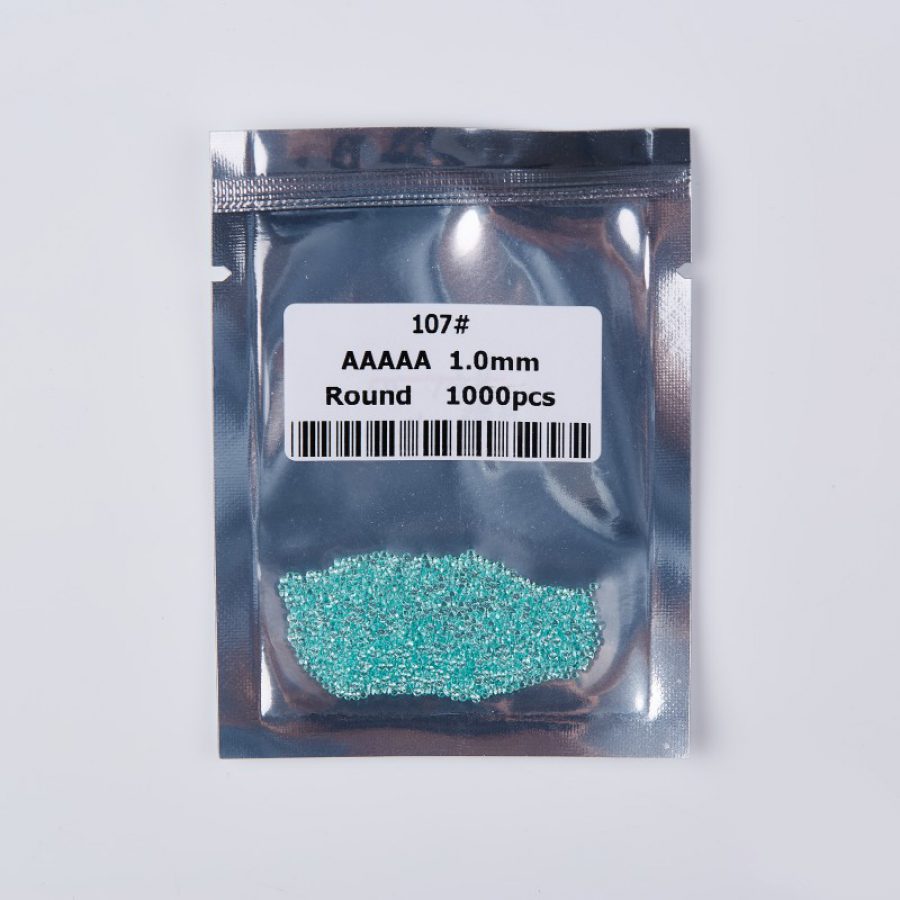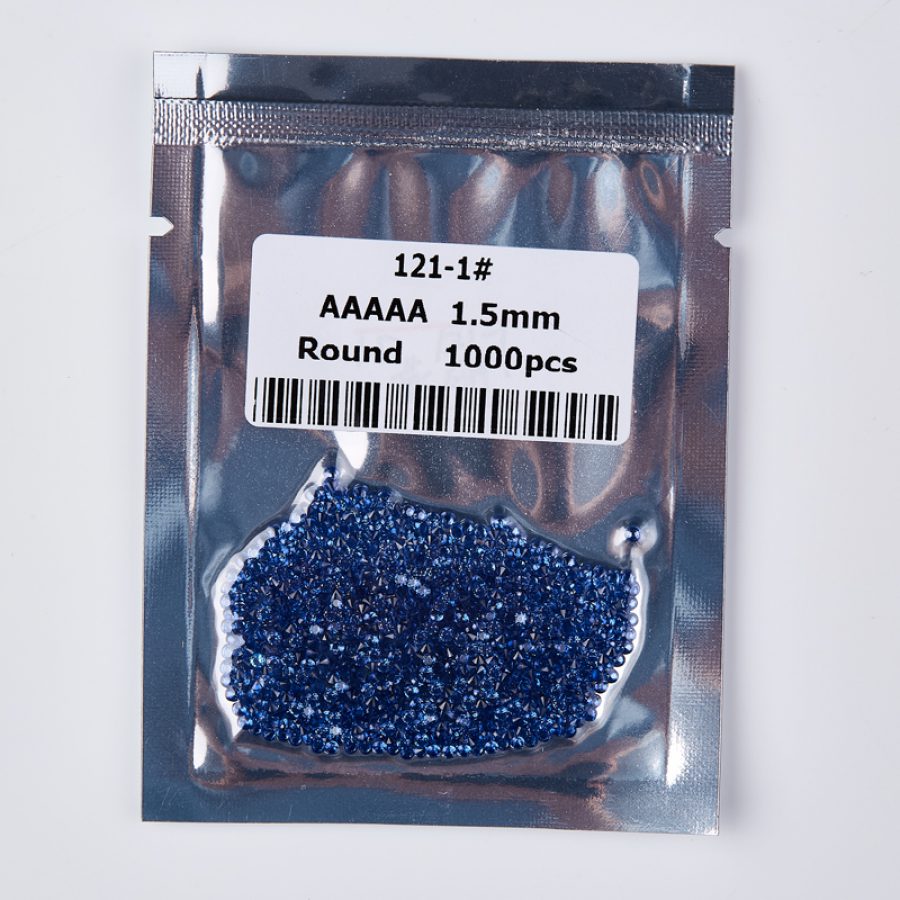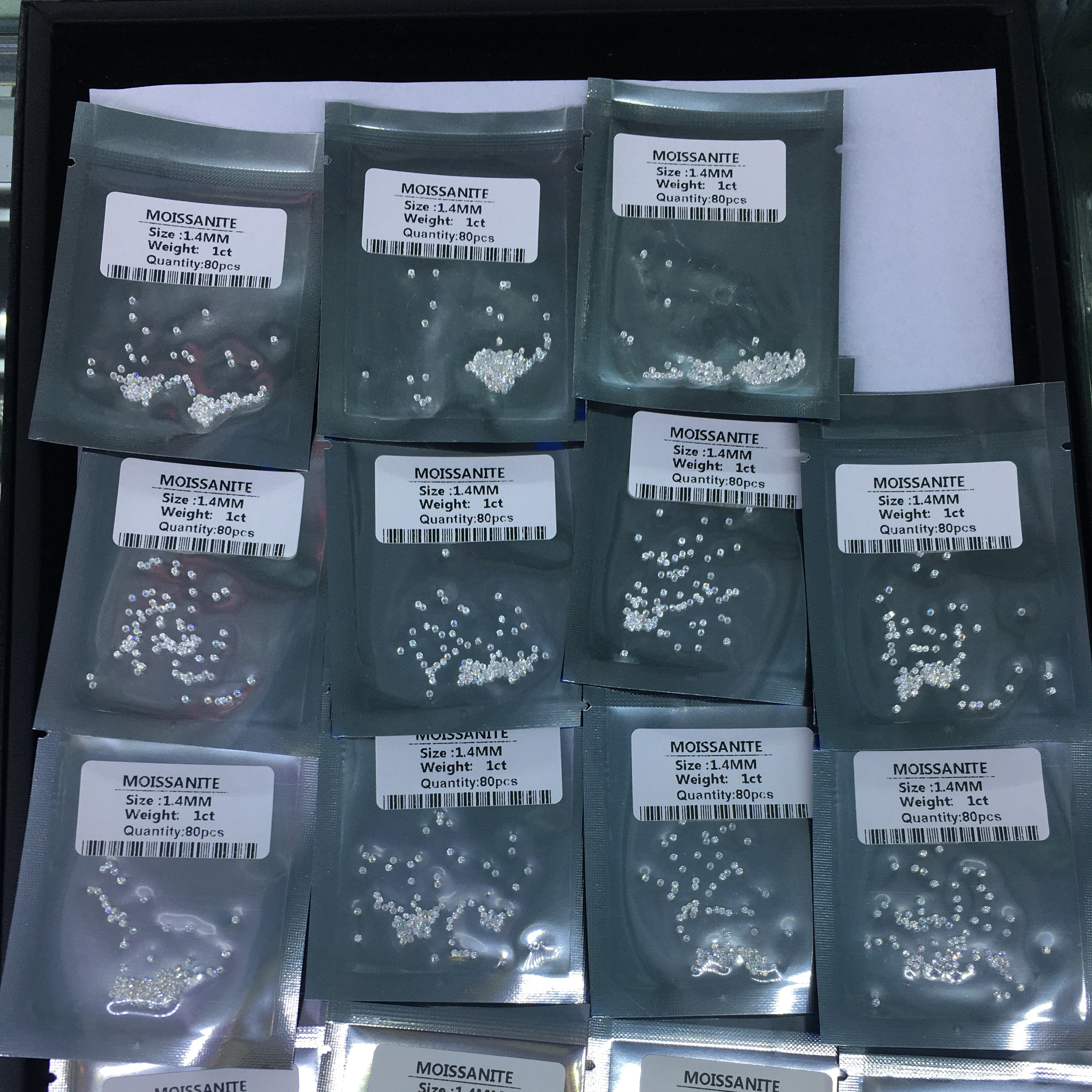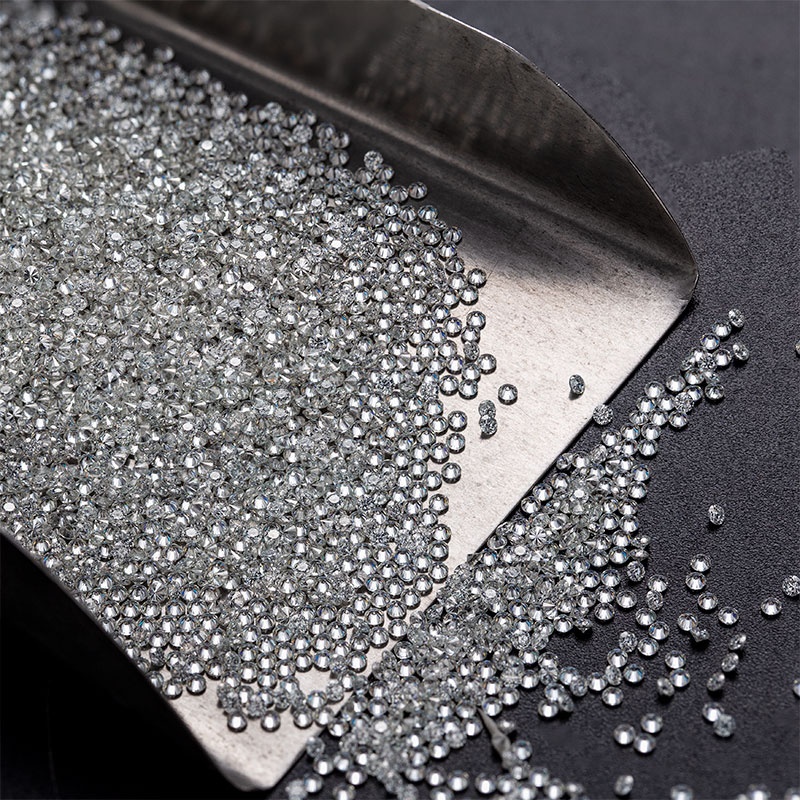
Most new jewelry brands start by buying finished, pre-set pieces. It is the fastest way to fill a storefront. But the moment a customer asks for a 7mm oval in a teal tint, or a cushion cut in a specific clarity grade, the catalog falls short. That is the moment a brand discovers loose moissanite. Buying stones separately from the setting is how serious custom work happens, and it is how small manufacturers give customers exactly what they asked for rather than the closest thing in stock. For a brand building custom sterling silver jewelry, the distinction matters more than most buyers realize.
What buying loose stones actually unlocks
A pre-set ring locks you into the stone the factory chose. Buying a loose stone means you select the cut, size, color grade and clarity on its own, then build a silver setting around it. This is the path for engagement pieces, anniversary gifts and bespoke commissions where the center stone is the whole point. It is also the path for designers who want to match stones across a set: a pair of earrings, a pendant and a ring that all share the same tint and cut.
Color grade is the most common reason to go loose. Moissanite is graded on a colorless to near-colorless scale, and a customer who wants a perfectly white stone will want to see the actual grade before the setting is built. Loose stones let you request a D, E or F grade explicitly, rather than hoping the pre-set version happens to be bright.
Setting geometry becomes a design choice
When the stone arrives first, the setting can be engineered for it. Prong count, seat depth, basket style and gallery details are all chosen around the stone's proportions. This produces a cleaner, more secure result than forcing a stone into a generic bezel. For silver, which is softer than gold, a well-engineered seat matters more, because the metal will flex with wear. A setting that was cut to the exact stone size holds up far longer than a universal basket.
This is also where brands differentiate themselves. A custom piece designed around a hand-selected stone carries a story that a catalog ring cannot. The customer walked in with a size, the brand sourced the stone, the bench built the setting, and the result is one of one. That story commands a price point that pre-set inventory cannot match.
The sourcing trade-offs to plan for
Loose stones are not without logistics. You need a supplier who can certify each stone, usually with a GRA or equivalent report, and you need reliable lead times for odd shapes. Oval, pear, emerald and cushion cuts are widely available, but specialty cuts can take longer. Factor that into quoted turnaround times for clients, and keep a small stock of common round sizes so rush orders do not stall.
Pricing works differently too. Loose stones are priced per piece by size and grade, and settings are priced separately. For the brand this is actually helpful, because it lets you show the customer why the piece costs what it does, rather than presenting a single opaque number. Transparent pricing builds trust, which is the foundation of repeat custom moissanite orders.
When to stay with pre-set inventory
Loose stones are not the right tool for every order. High-volume fashion pieces, simple studs and everyday stacking rings are faster and cheaper to source pre-set. The sweet spot for loose-stone custom work is commissions, engagement and gifting where the customer has a specific vision. Used selectively, loose moissanite turns a generic jewelry line into a brand that can say yes to unusual requests, and that reputation is worth more than any single sale.
Document the stone so the customer trusts the choice
Because a loose stone is sold on its own merits, the paperwork matters. A stone that arrives with a clear report noting its cut, dimensions and color grade gives the customer confidence that they are not paying for an unnamed gem. Sharing that report during the design conversation, and again at delivery, turns a transaction into a documented piece with a traceable story. For a brand building repeat custom work, this documentation also becomes a selling point: future clients can see the grade and the result side by side.
The bench work around a loose stone rewards careful communication. Send photos of the stone under different lighting, confirm the exact millimeter size, and lock the setting design in a rendered mockup before any silver is cast. That front-loaded design step prevents the most common custom-jewelry headache, a finished piece that looked different in the customer's head. When the stone, the setting and the expectation all match, the customer not only loves the piece, they refer friends. Loose moissanite is ultimately a tool for selling confidence, and that is the asset that keeps a custom silver jewelry business growing order after order.
The 92.5% silver composition and properties of sterling silver are described in the Wikipedia entry on sterling silver.
Frequently Asked Questions
Is moissanite a good diamond alternative for retail buyers?
Yes for price-sensitive customers who want brilliance and hardness. Moissanite ranks 9.25 on the Mohs scale, holds up to daily wear and costs a fraction of a natural diamond of the same size, so it resells fast in bridal and fashion lines.
What is the minimum order for wholesale moissanite?
MOQ starts at 50 pieces per design for stock items. Custom cuts and private-label settings usually start at 100–300 pieces depending on the mold.
Do you provide certificates with moissanite stones?
Yes. Every parcel ships with GRA or IGI documentation listing carat weight, color grade and cut. We recommend passing the certificate to your end customer for trust.
How long does sample and bulk production take?
Samples ship in 3–5 days. Bulk runs take 15–20 days under 500 pieces, and 25–30 days for custom work.