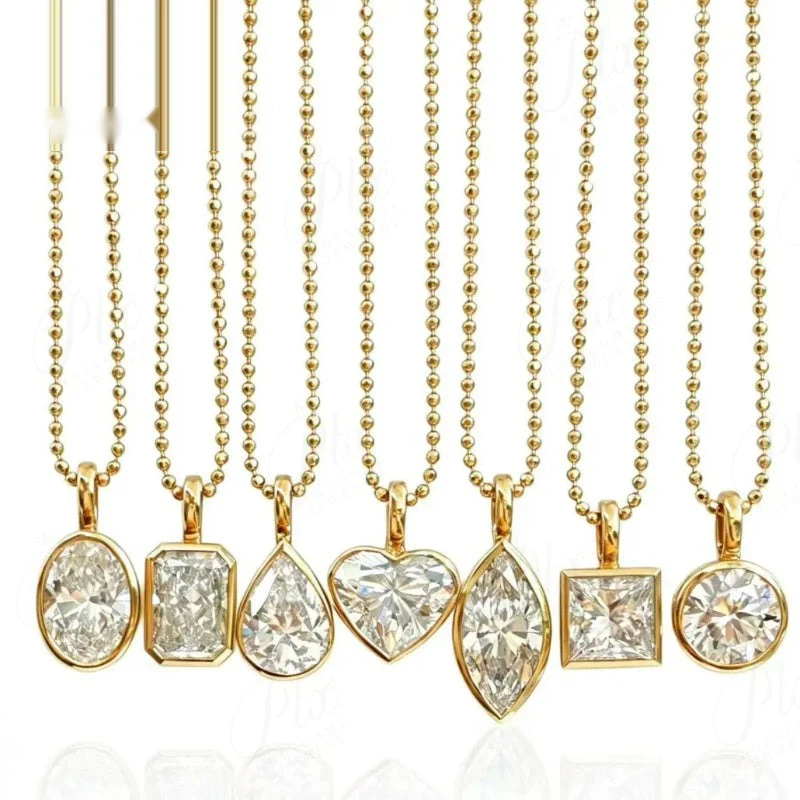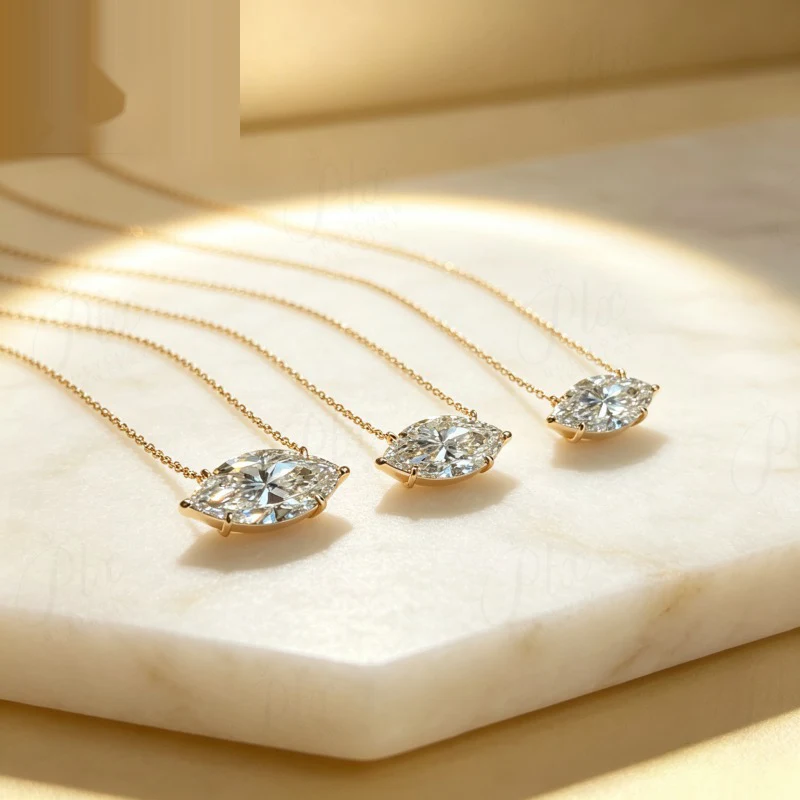
A lab grown diamond defect is not a relationship problem. It is a document problem. Photograph, compare to the approved sample, and agree a remedy in writing, and most claims settle inside a week.
Step one: the photo pack
Shoot the defect on white, with the PO number in frame, plus one wide shot and one macro shot. On lab grown diamond, a loose stone needs a side view at the prong seat; a plating issue needs a raking light shot.
Send the pack within seven days of arrival. Late claims are weaker claims, and factories know it.
Set the reorder point from sell-through and lead time, not from the MOQ. Stock cover is a calculation, not a feeling.
Step two: compare to the approved sample
The approved sample is the contract. Put it in a sealed bag with the PO number at approval, and keep it for the life of the program. A claim without a reference sample becomes a negotiation.
Where the sample and the lot differ on a lab grown diamond dimension, the measurement decides, not the opinion.
| Defect | Evidence | Remedy | Window |
|---|---|---|---|
| Loose stone | Macro side view | Remake or credit | 7 days |
| Plating wear | Raking light shot | Replate | 10 days |
| Wrong size | Caliper reading | Exchange | 7 days |
| Porosity | Macro surface shot | Remake | 7 days |
| Missing piece | Carton and packing list | Credit | 3 days |
Read the table as a checklist rather than a recommendation. The right row depends on the price band, the wear pattern and the channel you sell into.
Put the gram weight per size on the PO, not an average. Cost and feel both follow weight, and an average hides the size that breaks the margin.
Step three: choose the remedy
Four remedies: remake, credit, price allowance, or rework at the factory's cost. Critical defects get remake or full credit. Minor cosmetic marks get an allowance.
Never take an allowance on a critical defect. A sharp edge or a missing stone is a safety and compliance issue, not a discount opportunity.
Step four: close the loop
Ask for the root cause with the remedy: which step failed, and what changed. A factory that cannot name the step will repeat it.
Log every lab grown diamond claim by defect type and month. Three claims of the same type is a process signal, not bad luck.
The specification is the product. Two pieces built to the same six lines are the same product even when the price differs; two built to different lines are not.
What to check before the order
Run the five checks below in order. The first two protect the money, the last three protect the launch date.
- Send the photo pack within seven days.
- Keep the approved sample sealed.
- Measure, do not opine.
- Refuse allowances on critical defects.
- Log claims by defect type and month.
If a supplier cannot answer three of the five, treat the quote as a starting point rather than a plan. Ask again in writing and keep the answer with the PO.
Frequently Asked Questions
How long do I have to claim a lab grown diamond defect?
Seven days for visible defects, ten for plating wear that shows after a wear test. Put the window in the PO.
What photos does a claim need?
A wide shot, a macro shot and a raking light shot, each with the PO number visible.
Is a credit or a remake better?
Remake for critical and for designs still selling. Credit for end-of-season or discontinued SKUs.
Can I claim after resale?
Only if the defect was latent and documented. Most programs limit claims to the incoming inspection window.
What if the factory disputes the claim?
Send the measurement and the approved sample photo. Numbers settle disputes that adjectives prolong.
What is the fastest way to lose money on a first order?
Skip the trial lot and accept an average gram weight. Both hide the problem until rework is at lot scale.
Send the lab grown diamond defect photos and the PO number. We return a root-cause note and a remedy within two business days. See the full range at Lab Grown Diamond and HOLYCOME.
None of this is exotic. It is a document, a measurement and a date, repeated until it becomes a process.