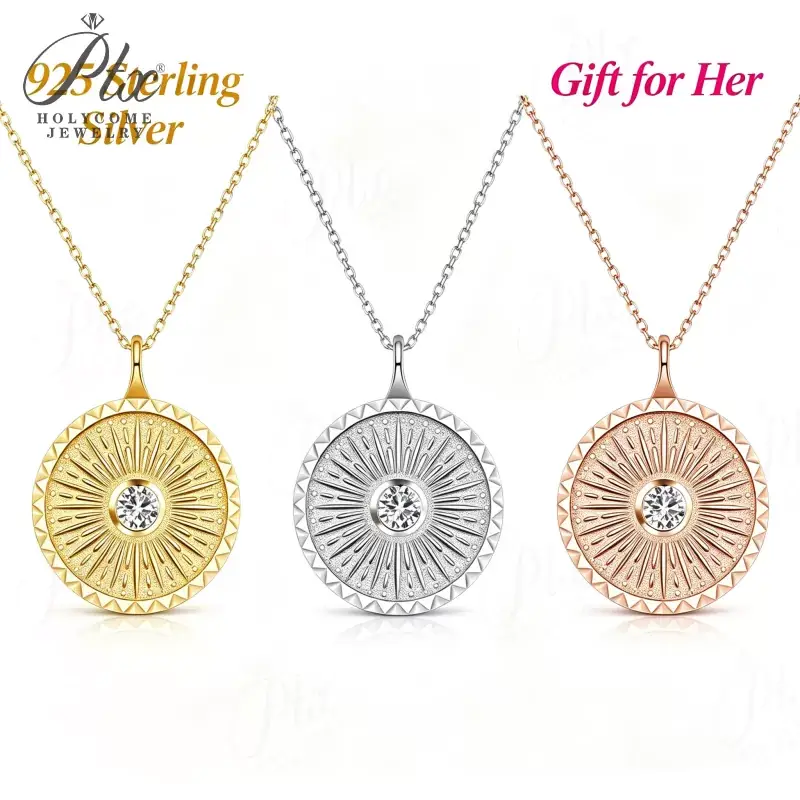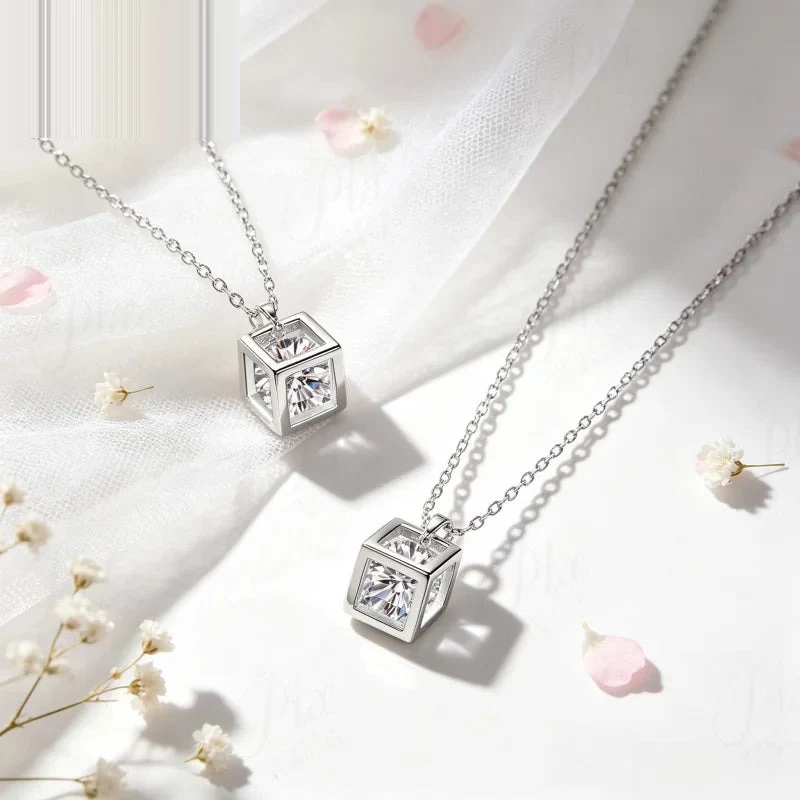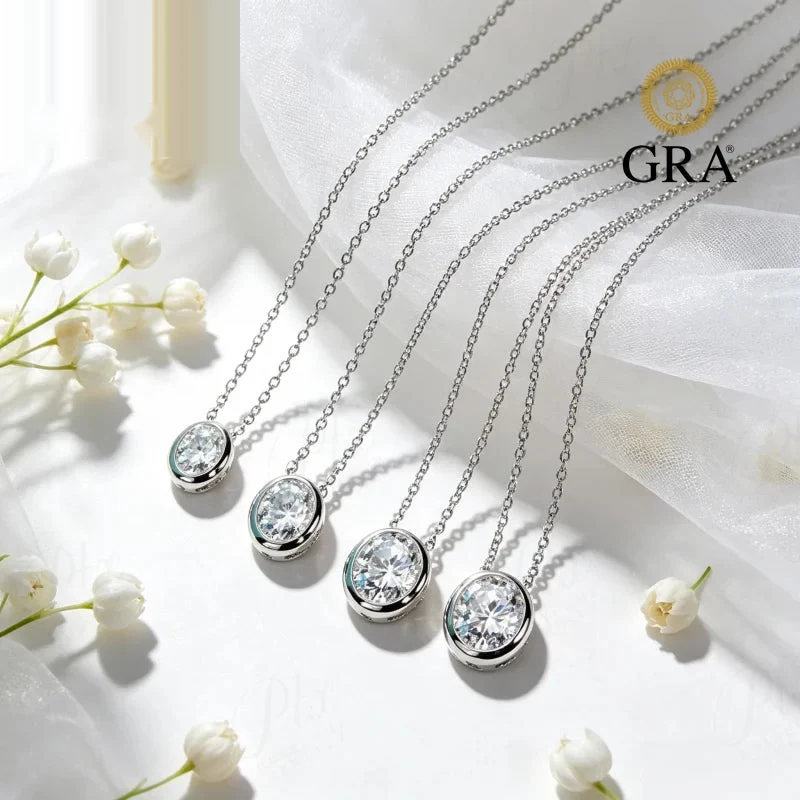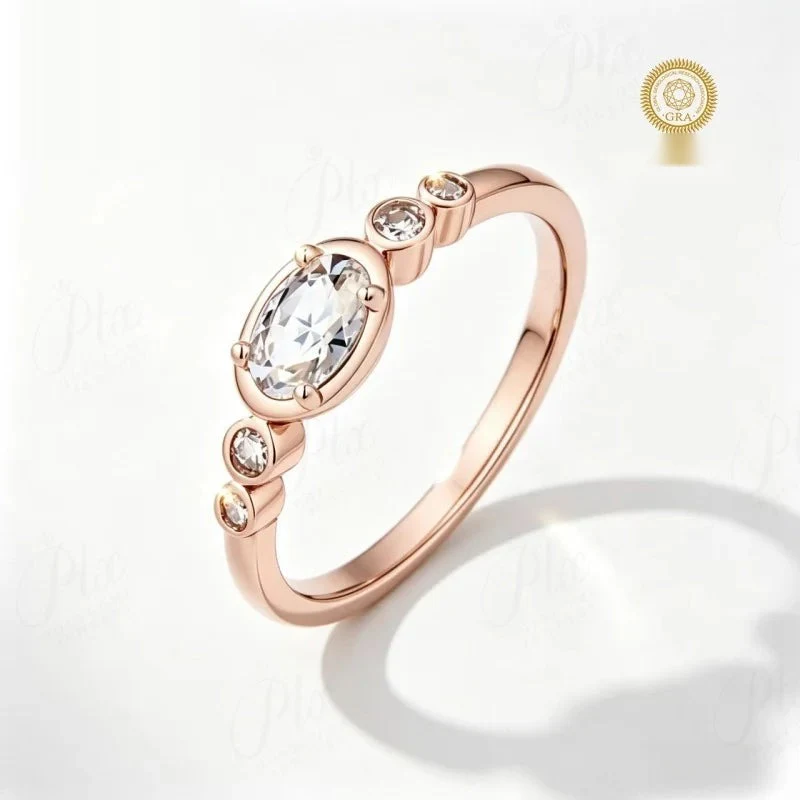
Recurring revenue is the dream for every small brand. Instead of wondering where the next sale comes from, you have hundreds of customers paying you the same month, on the same day, every month. A jewelry subscription box looks like the perfect vehicle for that: jewelry is personal, it is repeatable, and unboxing is genuinely joyful. But the model is harder than it looks, and jewelry-specific challenges like sizing, taste, and tarnish can quietly sink boxes that looked brilliant on paper.
The first decision is what you are actually selling. There are three common models. A surprise curation box sends a themed piece each month, chosen by you. A build-your-own box lets subscribers pick from a menu, which reduces returns but lowers the surprise appeal. And a replenishment or limited-edition box sends a small seasonal capsule rather than a single hero piece. For a new brand, a monthly surprise box in a narrow niche, like minimalist sterling silver studs or charm-bracelet additions, usually works better than a broad "jewelry of the month" promise.
Pricing a jewelry box is where most founders stumble. Subscribers expect perceived value to exceed the price, but jewelry has hard material costs. A $25 box that includes solid 925 silver plus packaging, shipping, and your margin is nearly impossible to deliver well. Be honest about what you can include. Many successful boxes sit in the $35 to $60 range and lean into one hero piece plus a small companion item. If you are unsure how to think about material cost versus retail price, our guide to jewelry pricing and markup is worth reviewing before you set a number.
Curation is the whole product. Unlike a single purchase, a subscription asks customers to trust your taste every single month. That means tracking the boxes a subscriber has already received so you do not repeat styles, and building variety across metals, stones, and occasions. A customer who gets three similar silver necklaces in a row will cancel. Document each subscriber's preferences, allergies, and sizing, and update the notes as they tell you what they loved. If you sell charms, our notes on birthstone and initial charms driving repeat sales apply directly to keeping boxes personal.
Sizing and taste are the two biggest churn drivers. Rings and bracelets are hard to send blind, so many successful jewelry boxes focus on studs, pendants, and charms that fit nearly everyone. For rings, offer a resizing voucher or send a gift card toward a custom size. Make it easy to pause, skip, or swap a month. Customers who can skip a month are far less likely to cancel outright than customers who feel trapped. The unsubscribe flow should be human, not a dark pattern; that alone earns goodwill.
Fulfillment has to be flawless because boxes are an experience. Cheap packaging undermines a $50 product fast. Invest in a consistent unboxing: a branded box, a card explaining the piece and the month's theme, a polishing cloth, and a thank-you note. Silver tarnishes in transit, so include anti-tarnish paper and pack pieces securely. A subscriber who opens a darkened, scratched piece once will not give you a second month. Our guide to jewelry packaging expectations covers the baseline shoppers expect.
Marketing a subscription is different from marketing a one-off product. You are selling a relationship, not a transaction. Use social proof heavily: post unboxings, ask subscribers to share photos, and feature real customers. Offer a strong first-box incentive to lower the barrier, but make sure later boxes are worth keeping. Watch your metrics weekly: acquisition cost, average lifetime, and monthly churn. A box that loses money on acquisition but keeps subscribers for twelve months can still work. A box that loses customers after two months will not, no matter how pretty the first box looks.
Data will teach you more than any business plan. Track which boxes get shared on social media, which spark replies, and which go quiet. A short monthly survey asking subscribers what they loved and what they skipped costs almost nothing and turns customers into co-designers. When a subscriber feels heard, their renewal rate climbs. Many successful boxes invite members to vote on the next month's theme, which builds anticipation and lowers churn because people want to see the choice they made. Treat subscribers as a community rather than a list of charges, and they will tell their friends, which is the cheapest acquisition channel you will ever have.
Keep an exit strategy in mind. Subscription fatigue is real, and even loyal members eventually want to pause. Offer a yearly prepaid plan at a discount to lock in revenue, and a gift subscription for people who want the experience without the commitment. Done thoughtfully, a jewelry box becomes more than a product line. It becomes a community that looks forward to your brand every month, and that recurring trust is the kind of asset no amount of ads can buy.
The 92.5% silver composition and properties of sterling silver are described in the Wikipedia entry on sterling silver.
Frequently Asked Questions
How do I verify a factory before placing a bulk order?
Request a production video, business license, export records and a paid sample run. A factory that accepts a 50-piece test order is usually a real manufacturer.
What payment terms do you offer?
30% T/T deposit with the balance against the bill of lading. This protects both sides on first orders and can move to net terms after a track record.
What is your normal reject rate?
3–5% under 10x loupe inspection for cast and set pieces. Defective units are replaced free in the next shipment.
Where is the factory located?
Wuzhou, Guangxi, China—the core lab-grown and moissanite manufacturing cluster. Shipments go via Guangzhou or Shenzhen ports.