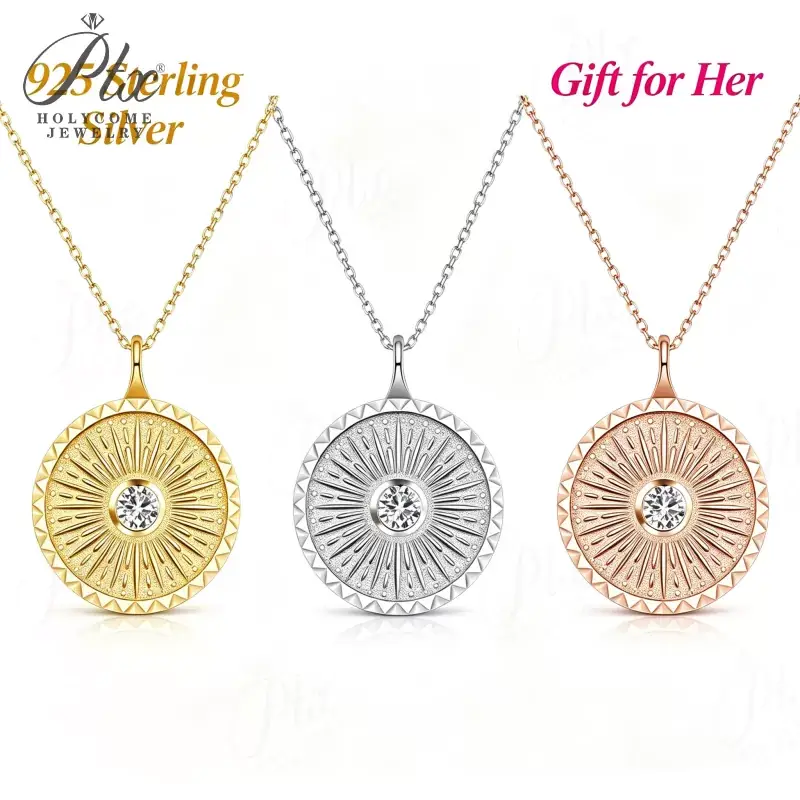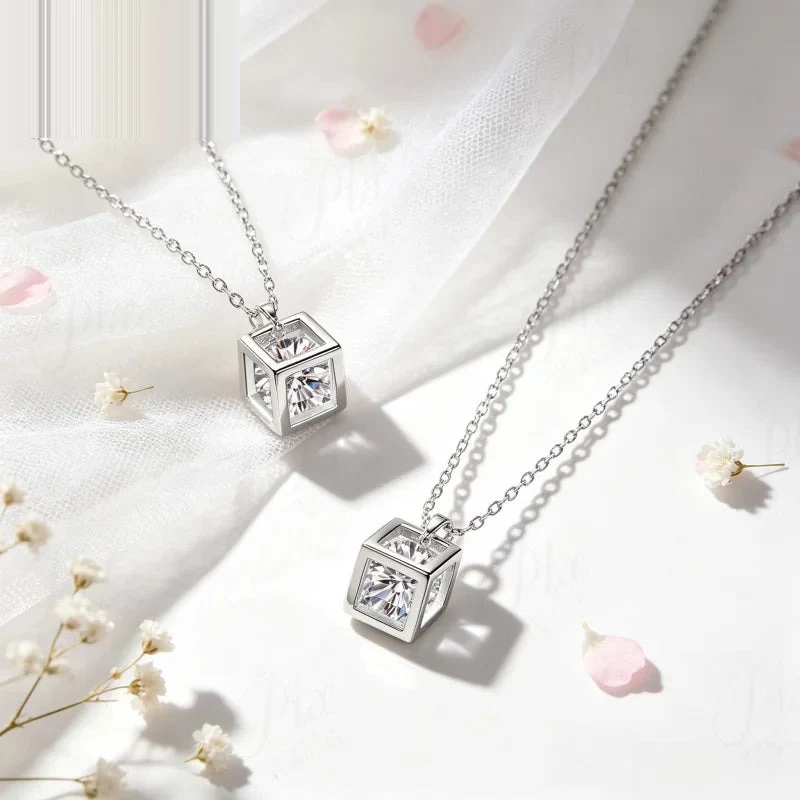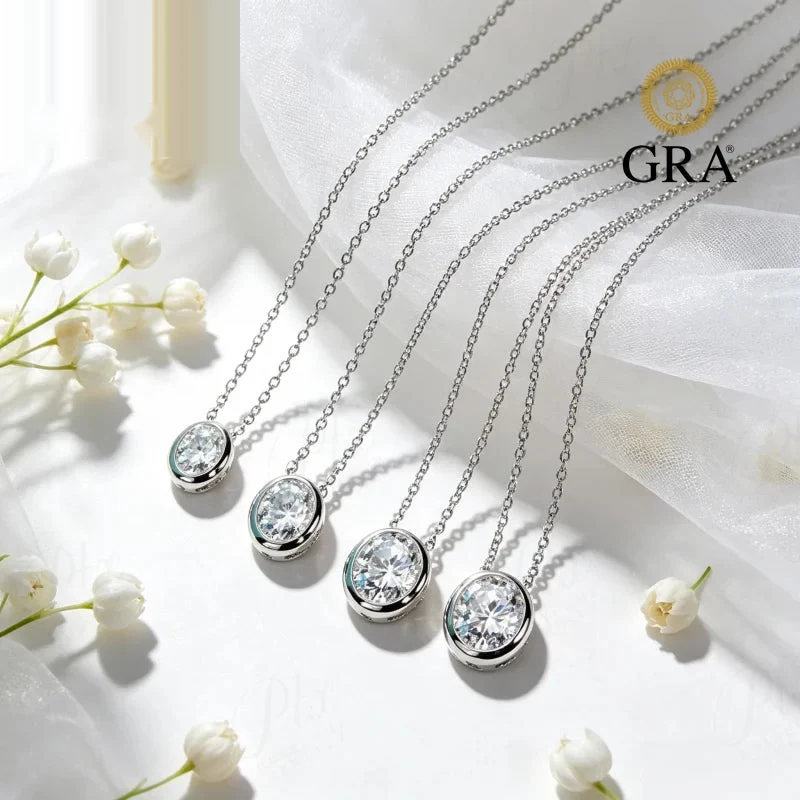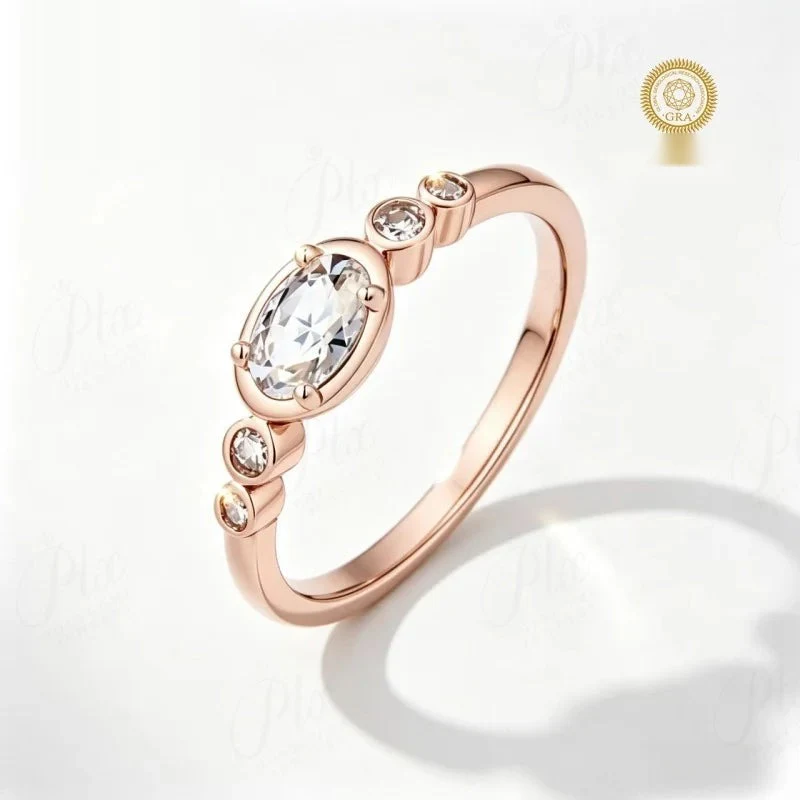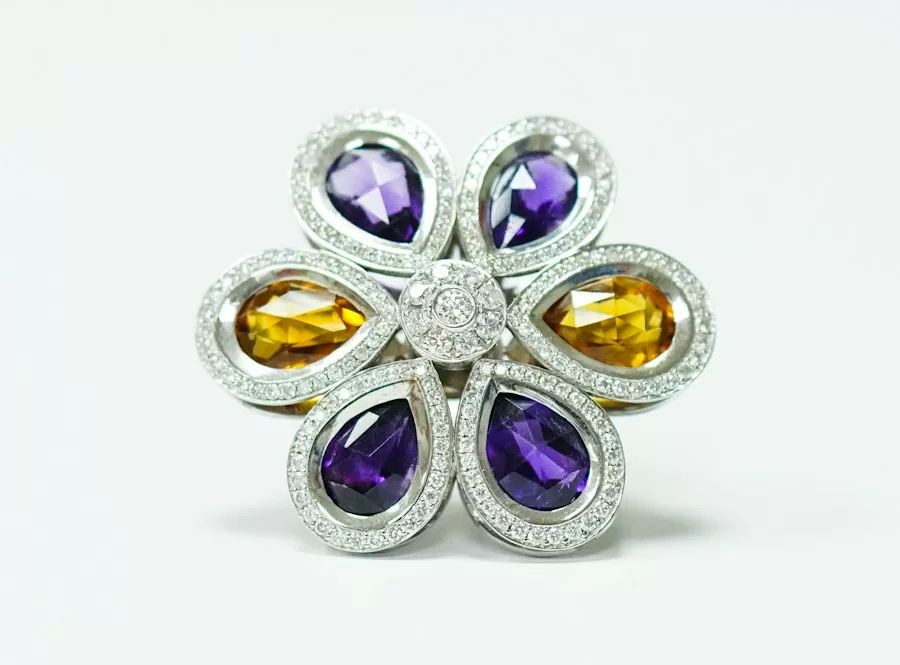
The most beautiful piece in your inventory will not sell if it is hidden under poor lighting, crowded against ten competitors, or presented without context. Merchandising is the quiet salesperson in a jewelry store. It decides what a customer picks up, what they imagine wearing, and how many pieces they buy before they leave. Whether you run a brick-and-mortar counter, a pop-up booth, or a market stall, the same principles apply: slow the eye down, group with intent, and make the expensive pieces feel attainable.
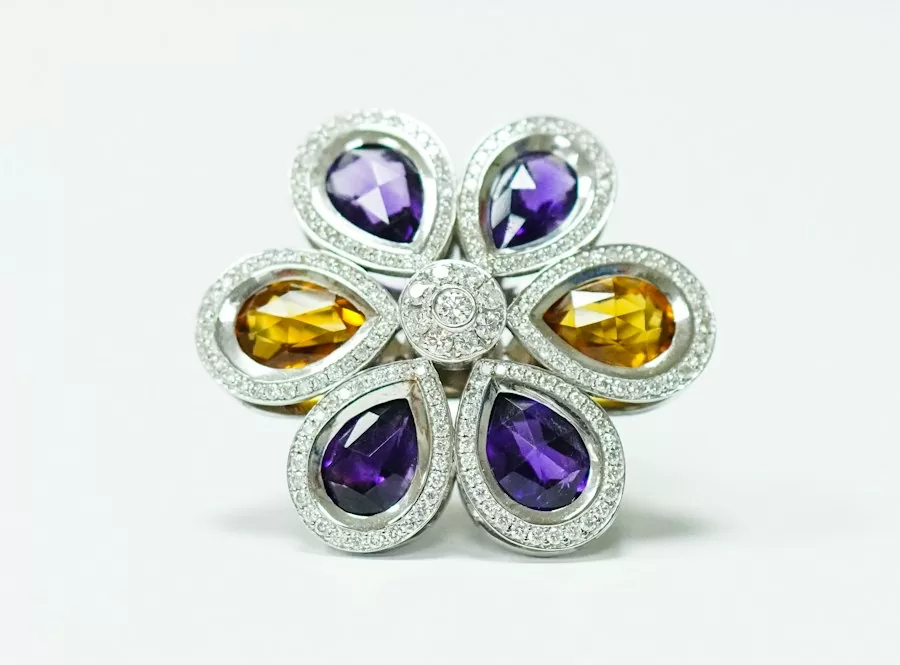
Lighting is the single highest-impact change you can make. Silver and moissanite live and die under light. Flat overhead bulbs make sterling silver look dull and gray. Small, warm directional lights aimed at each case make silver glow and moissanite sparkle. Test your displays at the same time of day customers actually shop, because natural light through a window can wash out an otherwise brilliant setup. If a stone looks dead under your lights, it will look dead to the customer, regardless of its real quality.
Give each piece breathing room. Crowded displays read as discount racks, even when your prices are mid-range. A handful of well-lit pieces presented on clean linen or velvet stands looks aspirational. Group by story rather than by material: a "weekend layer" section with two necklaces and a pair of studs invites customers to buy the whole look. This is how you lift average order value. A shopper who came for one necklace leaves with three because you showed her how they work together. Our notes on layering and stacking as a sales driver map this approach directly to product groupings.
Price placement is a delicate art. Hiding prices creates friction; showing every price too starkly can feel transactional. Small, discreet price tags on the back of display cards, or a lookbook with prices, let customers self-filter without feeling judged. Train staff to approach quietly and let the customer browse first. Jewelry is emotional, and a customer who touches a piece on her own is far closer to buying than one who is quizzed the moment she leans in.
Feature your hero pieces at eye level. The most valuable ring or pendant should sit where a customer's gaze lands naturally, not on a low shelf. Rotate displays seasonally so regulars see something new each visit. A small thematic change, like a birthstone table in spring or a gift-giving corner before the holidays, signals that your store has fresh ideas. Plan your display calendar the same way you plan inventory; our piece on seasonal inventory planning aligns the two.
Tell a story with materials and context. A sterling silver necklace displayed alone looks like inventory. The same necklace shown on a neck form, next to a soft sweater and a small card describing the style and occasion, becomes an outfit. Signs that educate, such as a small placard explaining what 925 sterling silver means or how to care for moissanite, also build trust. Customers buy more when they feel informed. If you want talking points for those placards, our explainer on 925 sterling silver is ready to adapt.
Do not neglect the checkout counter. It is your last chance to add a small, high-margin item: a polishing cloth, a pair of stud earrings, a charm. Place these at eye level, priced as impulse purchases. A customer who just committed to a $150 necklace is warm and open to a $15 add-on, and that incremental revenue adds up over a year. Keep the counter uncluttered so the decision feels easy, not salesy.
Tell the story of the maker or the material. A small card next to a sterling silver ring explaining that the metal is solid, hypoallergenic, and built to last does more than any sales pitch. Customers who understand why a piece costs what it does rarely argue about price. If you offer custom or engraved work, display a framed example of the engraving process so shoppers can picture their own names and dates on it. Displays that invite imagination convert far better than displays that simply show product. Place a mirror near the jewelry so customers can try things on themselves, and keep a soft cloth handy so they can see how a piece looks when it is clean.
Finally, watch what actually moves. After each month, note which displays drew people in and which stayed untouched. Merchandising is not a one-time setup; it is a test you repeat. Swap the slow corner for a new grouping, move the hero piece, try different lighting. The stores that grow are the ones that treat their displays as living experiments rather than fixed fixtures. Sell less inventory, but present it better, and the average ticket will take care of itself.
The 92.5% silver composition and properties of sterling silver are described in the Wikipedia entry on sterling silver.
Frequently Asked Questions
How do I verify a factory before placing a bulk order?
Request a production video, business license, export records and a paid sample run. A factory that accepts a 50-piece test order is usually a real manufacturer.
What payment terms do you offer?
30% T/T deposit with the balance against the bill of lading. This protects both sides on first orders and can move to net terms after a track record.
What is your normal reject rate?
3–5% under 10x loupe inspection for cast and set pieces. Defective units are replaced free in the next shipment.
Where is the factory located?
Wuzhou, Guangxi, China—the core lab-grown and moissanite manufacturing cluster. Shipments go via Guangzhou or Shenzhen ports.