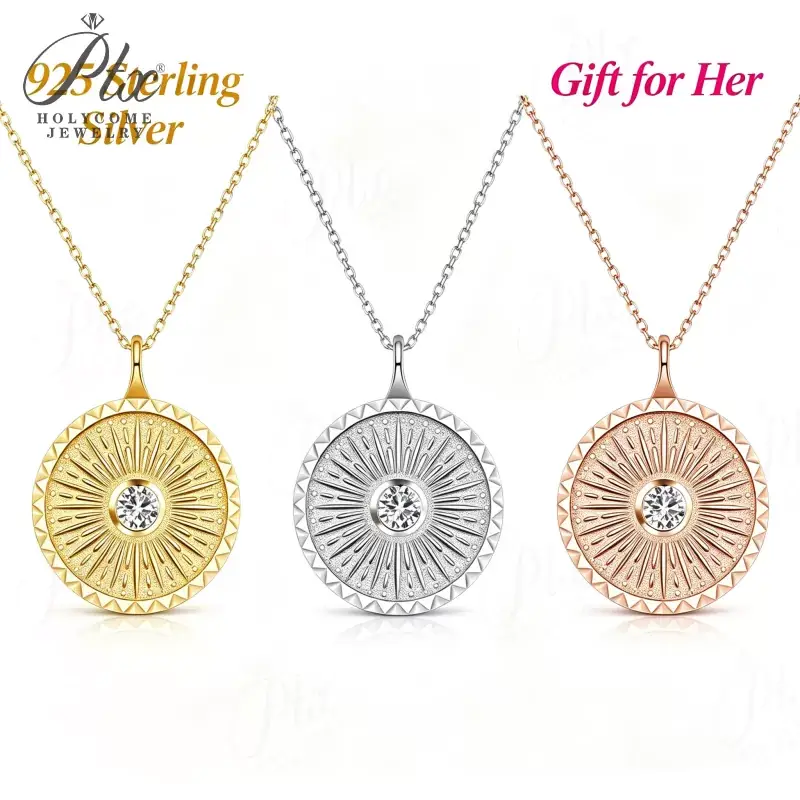
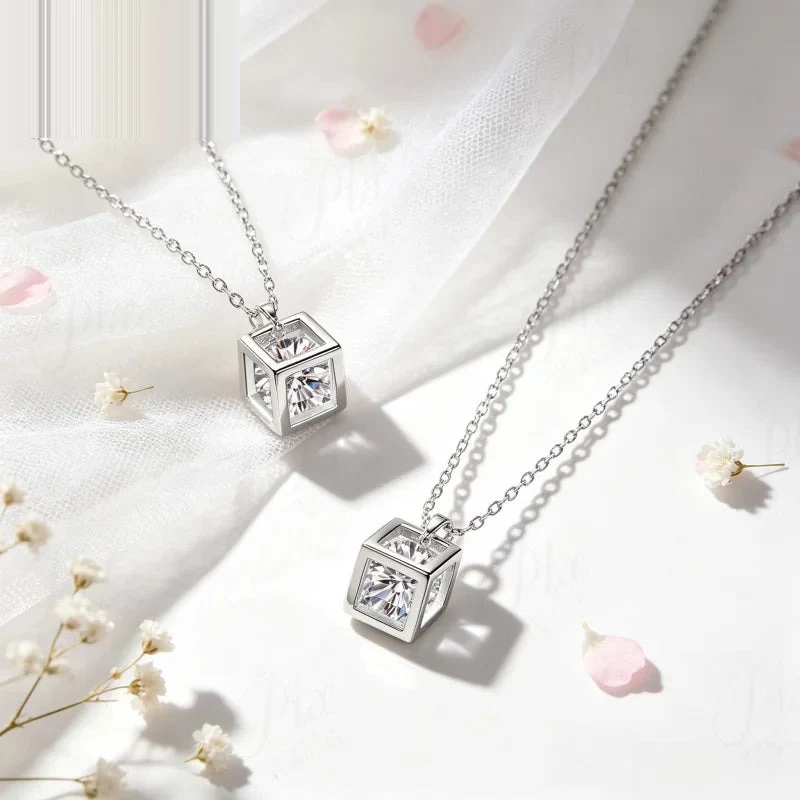
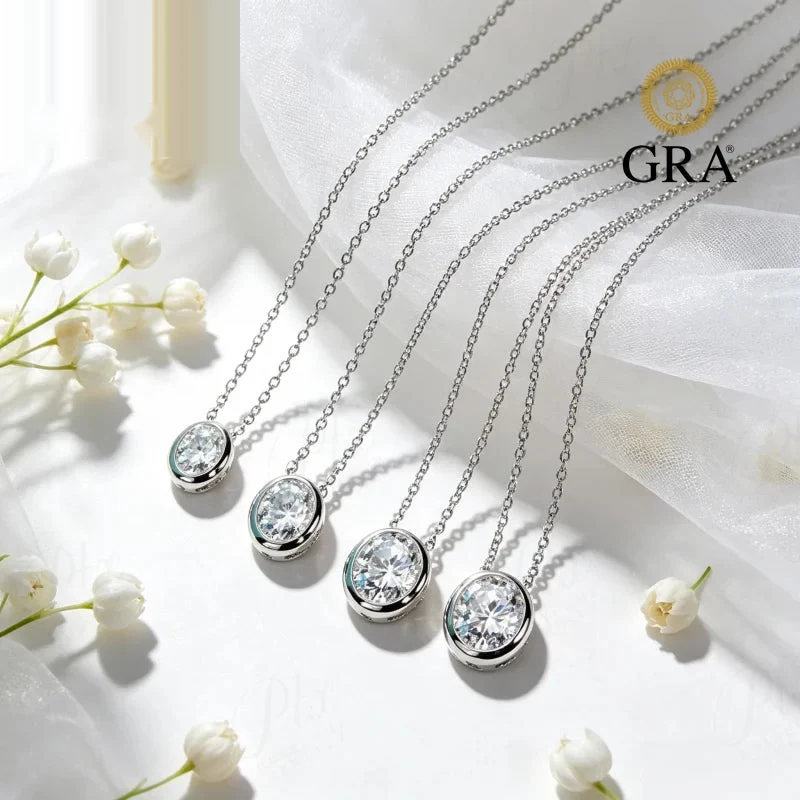
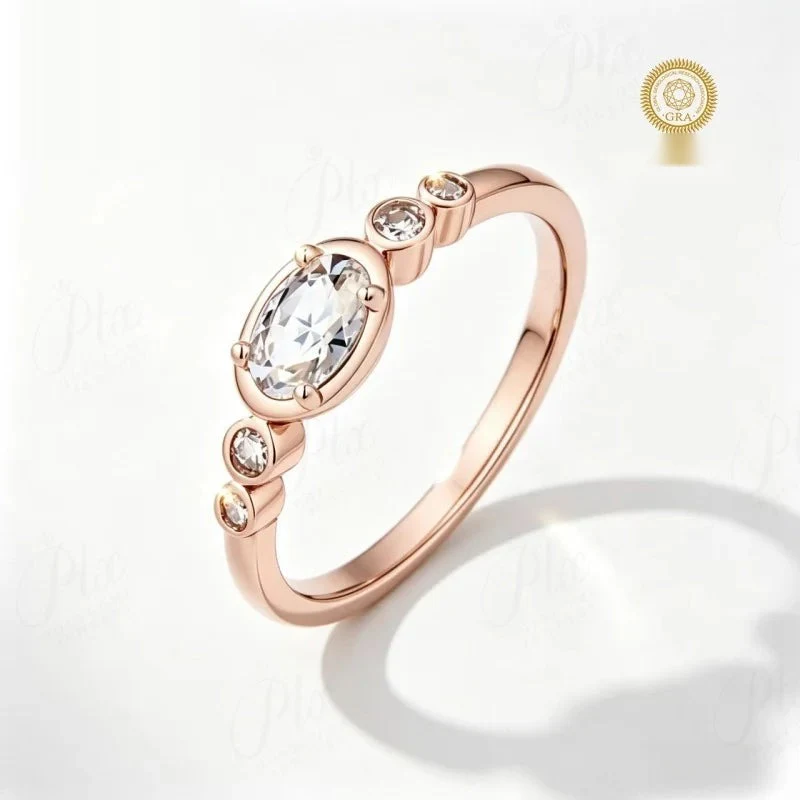
Owners of jewelry stores spend months choosing the right 925 silver pieces, negotiating margin and polishing product descriptions. Then they set the inventory on a neutral velvet tray, evenly spaced, and wonder why it moves slowly. Display is not decoration. It is the closest thing to a salesperson a small shop or online store has. A great display does the quiet work of showing scale, pairing, occasion and personality before the customer asks a single question. Whether you run a brick-and-mortar cabinet, a pop-up booth, or an e-commerce grid, the same principles apply.
Teach scale, because jewelry is hard to judge at arm's length
The number one online shopper question for jewelry is size. How big is this pendant? How wide is the hoop? Does this charm bracelet sit loose or snug? A display that answers these questions without words converts better. In a physical case, place a ring next to a quarter or a known reference. On a product page, show the piece worn on a real hand, neck or ear, not floating on a white background. Model shots, hand reference images and close-ups of the clasp all reduce returns because the buyer already knows the scale.
Same rule in person. Bust forms, wrist stands and ear cards let a customer see how a necklace drapes, how a cuff sits, how a hoop swings. Pieces shown on a form always read larger and more desirable than pieces laid flat.
Group by lifestyle, not by product type
A common mistake is organizing the display by category: all rings here, all earrings there. That is useful for inventory, but it is not how customers shop. People shop by moment. A graduation, a wedding guest outfit, a back-to-work capsule. Group pieces into small scenes: a desk-to-dinner cluster, a bridal party cluster, a layered-look cluster. On a website, this translates into curated collections and bundle suggestions rather than a single long category page.
When a customer sees three silver necklaces layered together, they imagine wearing all three. That impulse directly supports the jewelry sets and bundles that carry the highest average order value. Displaying items in context is the easiest upsell you will ever run.
Let one hero piece anchor every zone
Visual overload kills sales. A case crammed with seventy rings signals nothing. Instead, build each zone around one statement piece, then surround it with complementary smaller items. The hero catches the eye, the supporting pieces make the outfit complete. On a website, this means a featured product above the fold of a category, with related items below rather than a uniform grid of equal-weight thumbnails.
Lighting is the unsung hero of this approach. Moissanite responds to directional light, and silver picks up shadows flat under overhead fluorescent. Warm, angled light on a display creates the sparkle that stops someone walking past the case. Online, this is why product photography matters so much for conversion, and why investing in a few styled shots pays back faster than another hundred SKUs.
Make the next step obvious
A display should also remove friction. Price visibility matters, even for boutique shopping. Try-on tools, sizing guides and clear pairing suggestions shorten the gap between admiration and purchase. In person, keep a polishing cloth and a sizing mandrel near the case so a customer who likes a ring can actually try it on in their size. Online, the equivalent is a clear size chart and a one-click add-to-cart. Merchandising that anticipates the next question sells more jewelry than merchandising that only shows off the jewelry.
Refresh the display the way you refresh the feed
A display that never changes stops earning attention. Returning customers and repeat online visitors both notice when the same product grid has sat untouched for six months. Rotate hero pieces seasonally, move new arrivals to the front of the cabinet, and swap styled vignettes for holidays and gifting moments. On a website, this means refreshing the homepage hero, updating curated collections each season, and featuring new products above the fold rather than burying them in the catalog.
The stores that win are the ones that treat their display as a living story rather than a static shelf. A customer should walk in, or land on the page, and immediately understand who the jewelry is for and what moment it suits. That clarity is worth more than any discount, because it turns a browser into someone who can picture themselves wearing the piece. Great merchandising does not shout. It quietly makes the decision easy, and every silver piece that leaves the shelf or the cart starts with a display that did its job. The payoff shows up in higher average order values, fewer returns, and customers who remember exactly where they saw a piece first. Even small changes, like moving the hero ring one booth over or swapping a flat-lay for a wrist shot, measurably improve how long people linger and what they ultimately buy.
For third-party reference, the Wikipedia article on moissanite details moissanite’s discovery, optical properties and use in jewellery.
Frequently Asked Questions
How do I verify a factory before placing a bulk order?
Request a production video, business license, export records and a paid sample run. A factory that accepts a 50-piece test order is usually a real manufacturer.
What payment terms do you offer?
30% T/T deposit with the balance against the bill of lading. This protects both sides on first orders and can move to net terms after a track record.
What is your normal reject rate?
3–5% under 10x loupe inspection for cast and set pieces. Defective units are replaced free in the next shipment.
Where is the factory located?
Wuzhou, Guangxi, China—the core lab-grown and moissanite manufacturing cluster. Shipments go via Guangzhou or Shenzhen ports.