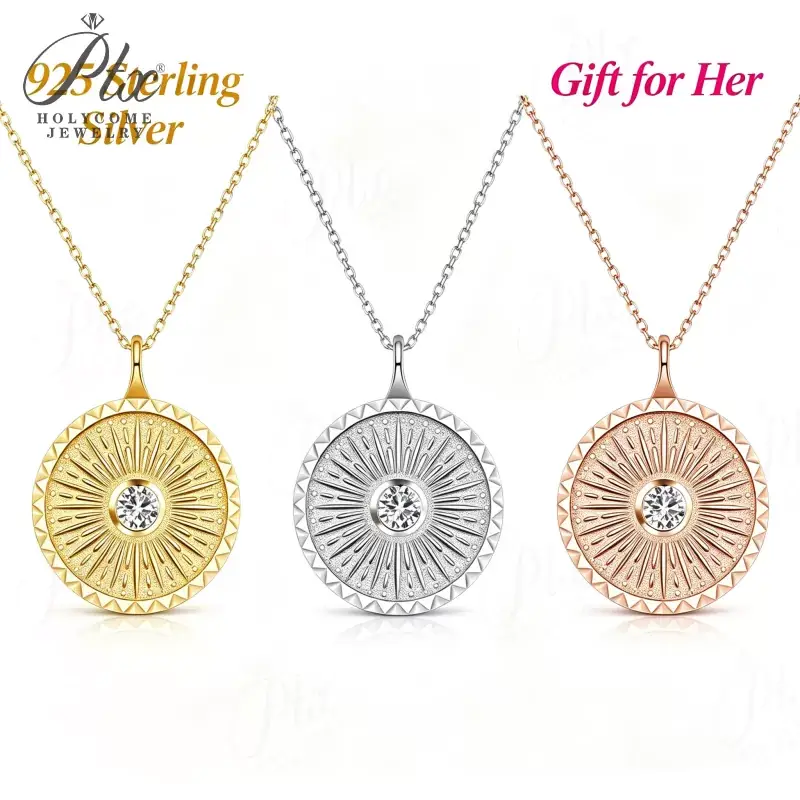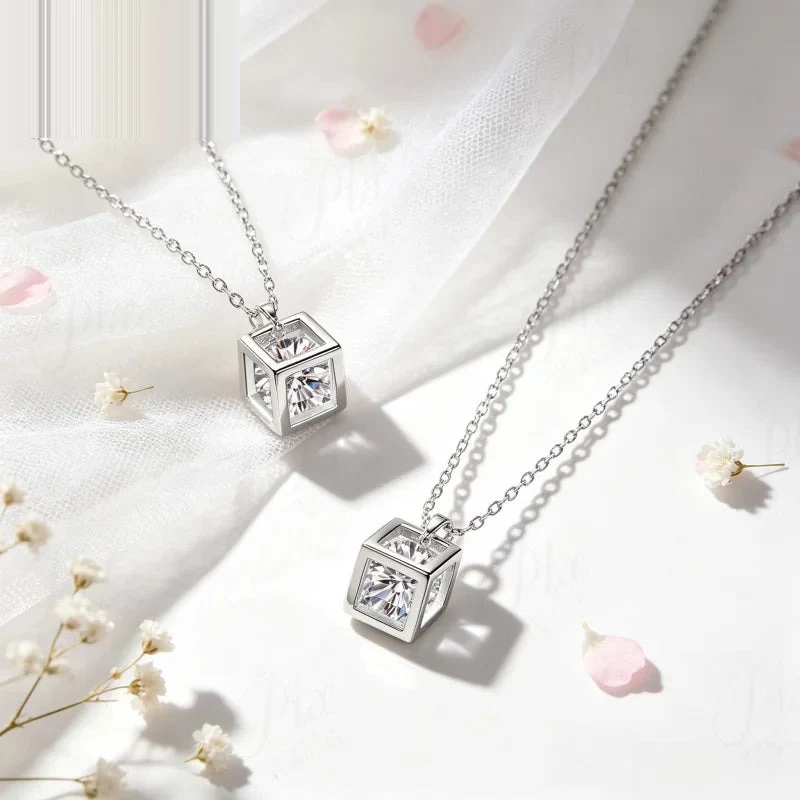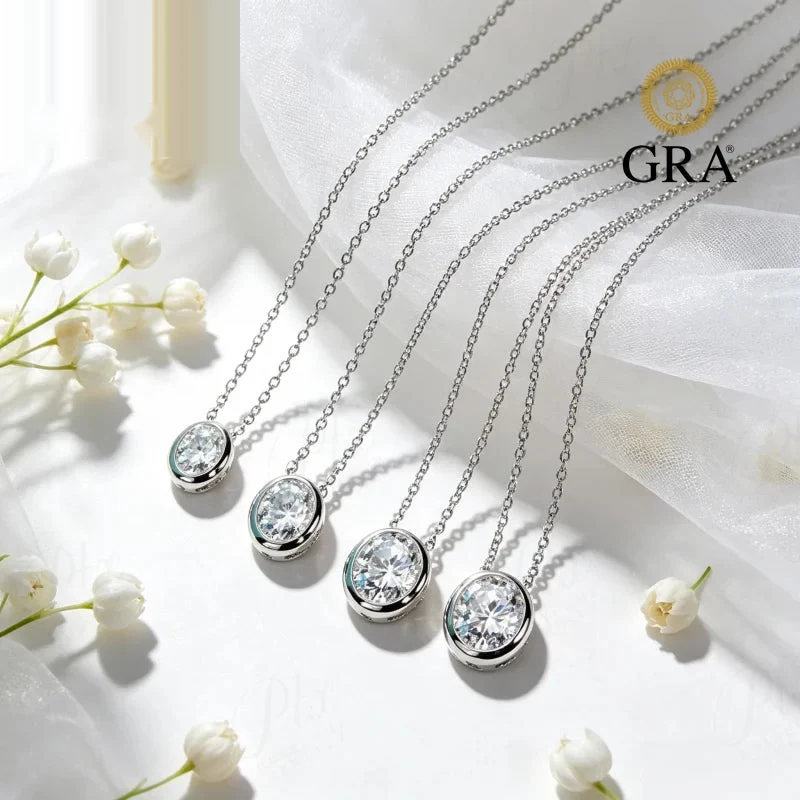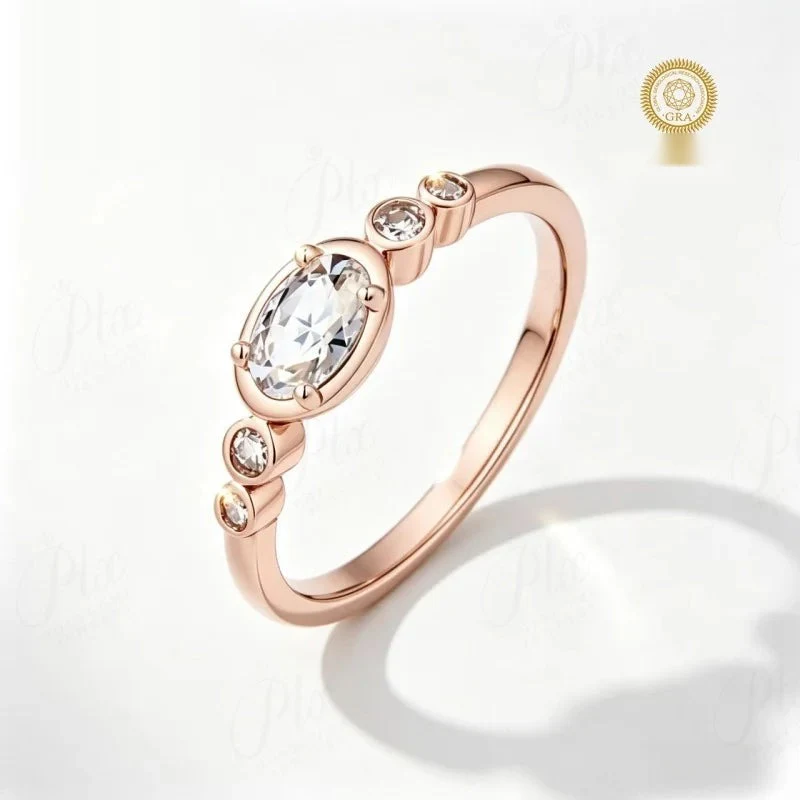
You wear your silver every day, but have you ever thought about what happens if it is lost, stolen, or damaged? Most buyers insure one special engagement ring and then carry the rest of their jewelry uncovered, assuming it is "not worth it." The reality is cheaper and simpler than people fear, and a few plain facts about appraisals and insurance prevent a nasty surprise later.

An appraisal is not what your jewelry is worth
First, clear up the confusion. An appraisal is a written document, usually from a qualified jeweler, that states the retail replacement value of a piece. It is not a resale price, and it is not what you would get if you sold it. Appraised values tend to run high because they reflect what it would cost to replace the item new at a retail store. That number is useful for insurance, not for deciding if you got a good deal. If you want to know whether a silver piece is genuinely solid rather than plated, start with spotting fake 925 silver instead.
When you actually need an appraisal
You do not need one for every $30 silver pendant. Appraisals matter most for pieces with meaningful value: an engagement ring, an heirloom, a piece set with notable stones, or a gift you want to insure. For everyday sterling silver stacks, a careful photo record and a receipt are often enough. Appraisals also go stale over time, so plan on refreshing them every few years as metal and stone prices move. For stones, keep any certification documents alongside the appraisal, such as the reports discussed in moissanite certification and reports.
How insurance actually covers jewelry
Most home renters or homeowners policies include a small amount of jewelry coverage automatically, but the limit is often low and the fine print matters. For pieces you truly care about, a scheduled jewelry rider or a specialist jewelry insurer is the cleanest route. You list the item, show the appraisal, pay a small annual premium, and the piece is covered against loss, theft, and often damage. Coverage varies, so read what is excluded. This is the step that protects the ring you wear every day.
Moissanite and silver: what counts
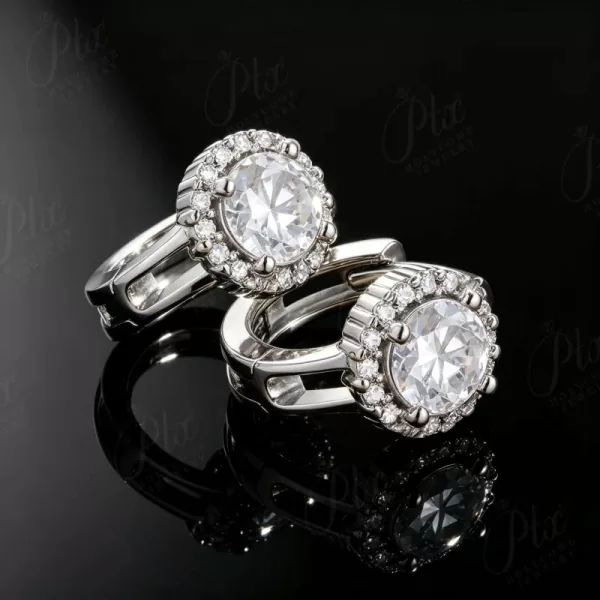
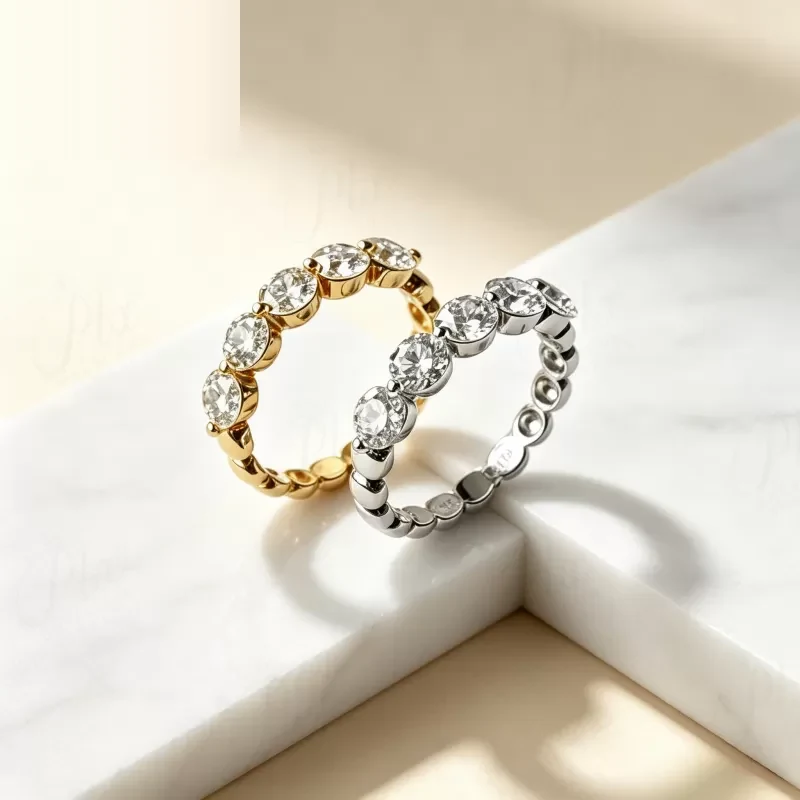
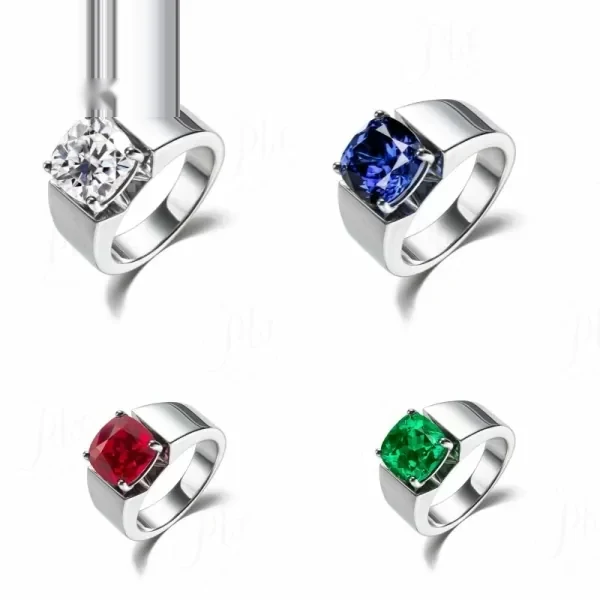
Because moissanite is lab-created and affordable, the insured value of a silver moissanite piece is usually modest, which is good news for premiums. Insurers care about the documented replacement cost, not the "diamond equivalent" marketing value. Be honest about what the stone is: a certified moissanite in a 925 silver setting. Overstating value leads to headaches at claim time. Clear documentation keeps everything smooth.
Easy habits that protect you anyway
Insurance is a backstop, not a substitute for care. Photograph each piece, store receipts, keep silver dry and separated so it does not scratch or tarnish, and remove rings before heavy handwork. Basic maintenance prevents most loss and damage entirely, and it follows the same care logic we cover in storing silver rings tarnish-free.
Avoid the common traps
Do not rely on a sale price tag as proof of value. Do not assume your existing policy covers everything. And do not wait until the piece is gone to figure out what it was worth. A half-hour of paperwork after a special purchase saves weeks of grief later.
What to do if a piece is lost or stolen
When the worst happens, the paperwork does the talking. File a police report for theft, contact your insurer promptly, and present the appraisal, photos, and receipts. The smoother your records are, the faster the claim resolves. Buyers who kept a clear photo of each piece in its box recover far faster than those searching memory for what they owned. It takes ten minutes a piece and saves weeks of hassle later.
Appraisals for gifting
There is a second, quieter reason to keep documentation: gifting. If you pass a silver moissanite ring to a family member, the appraisal tells them what they have and how to insure it. A hand-me-down without paperwork is often uninsured. Tuck the documents into the gift box and the next owner starts with the protection you wish you had.
Don't over-insure the everyday stack
Balance is the real skill. A $300 sterling silver moissanite ring you wear daily is worth a rider; a collection of $25 earrings probably is not. Use common sense, a home inventory app, and your policy's built-in coverage first. You are not trying to insure every purchase; you are protecting the pieces whose loss would actually sting.
Jewelry is emotional, and insurance is the boring paperwork that keeps the emotion safe. You do not need to appraise everything you own, but the pieces you love deserve a record and a small safety net.
Sterling silver terminology used in this guide follows the Wikipedia entry on sterling silver.
Frequently Asked Questions
How do I verify a factory before placing a bulk order?
Request a production video, business license, export records and a paid sample run. A factory that accepts a 50-piece test order is usually a real manufacturer.
What payment terms do you offer?
30% T/T deposit with the balance against the bill of lading. This protects both sides on first orders and can move to net terms after a track record.
What is your normal reject rate?
3–5% under 10x loupe inspection for cast and set pieces. Defective units are replaced free in the next shipment.
Where is the factory located?
Wuzhou, Guangxi, China—the core lab-grown and moissanite manufacturing cluster. Shipments go via Guangzhou or Shenzhen ports.