When a customer starts shopping for a moissanite engagement ring, the stone usually gets all the attention. The cut, the color grade, the carat weight — it all matters. Yet the single biggest decision after picking the stone itself is the setting. Two styles dominate the market: the solitaire and the halo. Each one changes how the ring looks, how it sits on the finger, and how much care it needs over decades of wear.
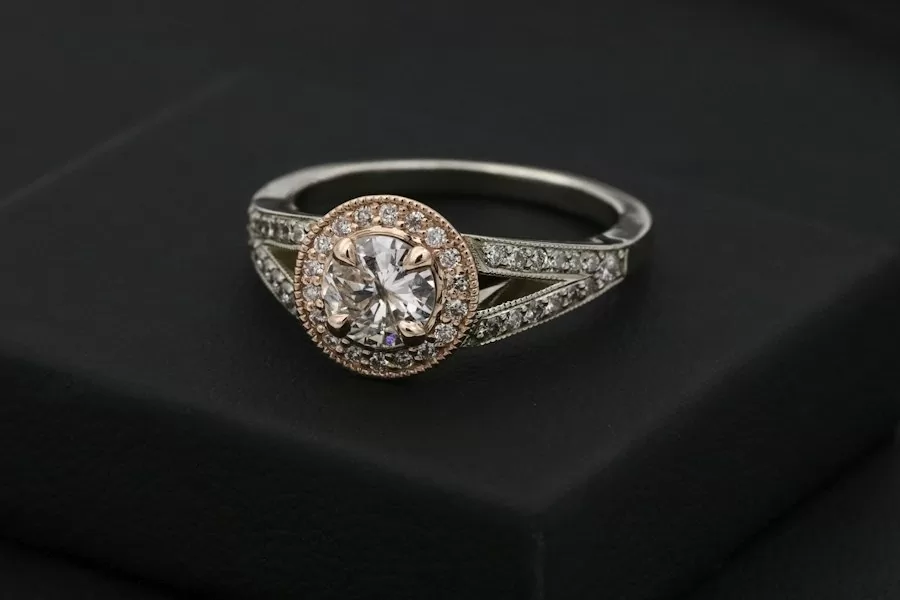
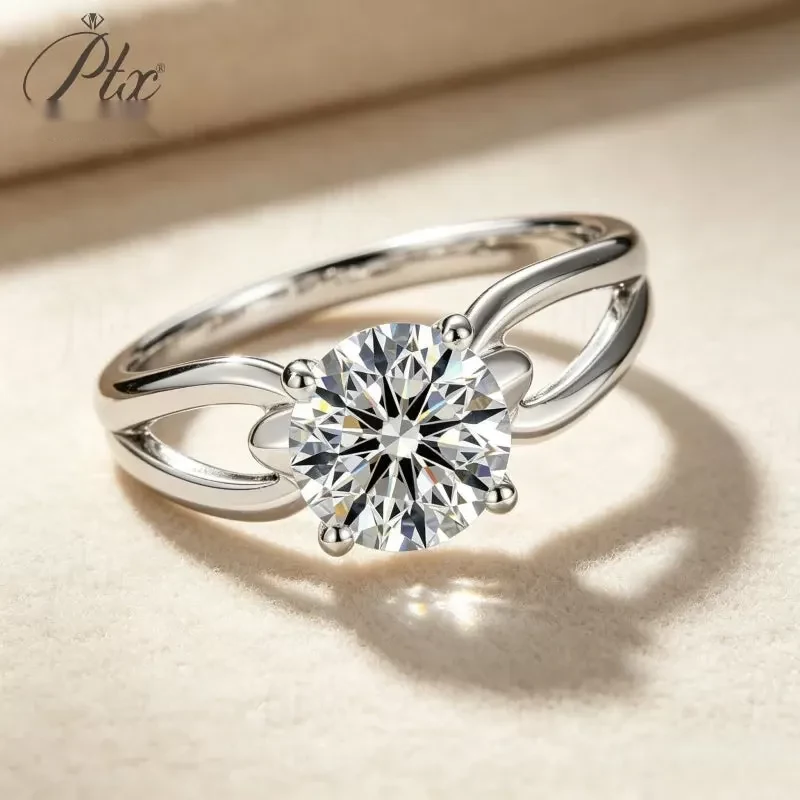
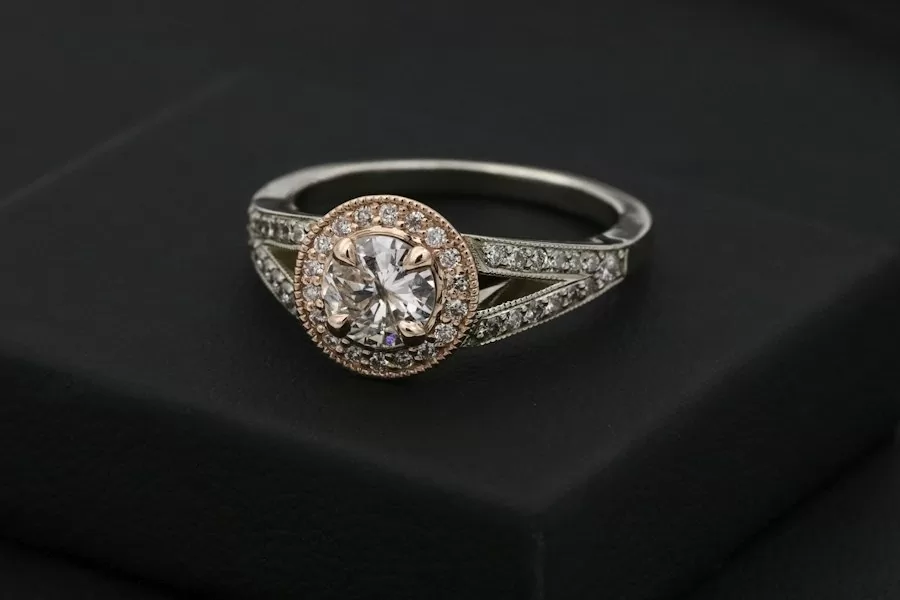
The solitaire setting puts all the focus on one center stone, held by prongs, a bezel, or a tension-style seat. It is the classic engagement look that most people picture when they imagine a proposal. A halo setting surrounds that center stone with a ring — sometimes two rings — of smaller accent stones, which amplifies both the apparent size and the sparkle. Understanding the trade-offs helps you steer each buyer toward the ring that fits them, not the one that happens to be trending this season.
What a solitaire does best
A solitaire moissanite ring feels honest and timeless. With no accent stones competing for attention, the eye goes straight to the center gem. This works beautifully for larger moissanite sizes, where the fire and brilliance are already the star of the show. Solitaires also tend to sit lower and cleaner against the hand, which matters for people who type, cook, garden, or work with their hands all day. Fewer stones means fewer places where dirt collects and fewer prongs that can catch on fabric or hair.
The minimalist look pairs well with a plain wedding band, and it reads as elegant rather than flashy. Buyers who describe their taste as quiet, classic, or “something my grandmother would recognize” usually land on a solitaire. It also photographs in a way that never looks dated ten years from now, which is worth mentioning to anyone planning a long engagement or a lifetime of family photos. For more on the stone itself, our guide to moissanite cuts and shapes covers which silhouettes photograph best.
What a halo does best
A halo is a size-illusion machine. A 6.5 mm center stone — roughly a one-carat equivalent — can look like a carat and a half once the surrounding halo is counted. That is a major selling point for buyers who want presence without stretching the budget. The extra row of stones also adds flashes of light from every angle, so the ring reads as livelier in motion and looks more substantial on the hand.
Halo rings lean glamorous. They photograph exceptionally well, which is no small thing when a couple plans to post their proposal and spend the next decade showing the ring off. The trade-off is practical: halos have more crevices where lotion, dust, and soap residue build up, and the tiny accent stones need occasional prong checks by a jeweler. A buyer who works out at the gym, washes dishes by hand, or travels constantly may find the extra maintenance annoying rather than enchanting. Double halos push the drama further but add even more surface area to keep clean.
Lifestyle questions that settle it
The fastest way to decide is to ask about daily life. Does she wear gloves to work? Does she swim in the ring? Does she prefer a stackable look or one statement piece? A woman who never takes her ring off benefits from a low, smooth solitaire. A woman who changes her jewelry with her outfit will love the halo’s drama and can clean it on the same schedule she already uses for her other pieces. Our ring care guide lays out the simple routine either setting needs, along with the warning signs that a prong needs attention.
Matching the wedding band
Think ahead to the wedding band, because not every setting plays well with every band. A high solitaire sits flush against a straight band with no gap. A halo, especially a wide or double halo, often leaves a visible space where the band meets the ring, which pushes buyers toward a contoured or notched band. That is not a problem — many couples deliberately choose a shaped band for a custom look — but it is a cost and a decision most people do not expect at the start. Budgeting for a shaped band alongside the halo avoids an awkward conversation six weeks before the wedding.
The bottom line for retailers
There is no universally better choice. A solitaire is the safer recommendation for an active, low-maintenance buyer who values longevity and a clean silhouette. A halo is the right call for someone who wants maximum sparkle and apparent size and who enjoys the ritual of caring for a finer piece. Present both, explain the real-world differences in upkeep and band pairing, and let the buyer’s lifestyle — not the latest Instagram trend — make the call. The rings you sell this way will be the ones customers still love wearing twenty years from now.
Independent background on moissanite — how its hardness and refractive index compare with diamond — is documented in the Wikipedia article on moissanite.
Frequently Asked Questions
Is moissanite a good diamond alternative for retail buyers?
Yes for price-sensitive customers who want brilliance and hardness. Moissanite ranks 9.25 on the Mohs scale, holds up to daily wear and costs a fraction of a natural diamond of the same size, so it resells fast in bridal and fashion lines.
What is the minimum order for wholesale moissanite?
MOQ starts at 50 pieces per design for stock items. Custom cuts and private-label settings usually start at 100–300 pieces depending on the mold.
Do you provide certificates with moissanite stones?
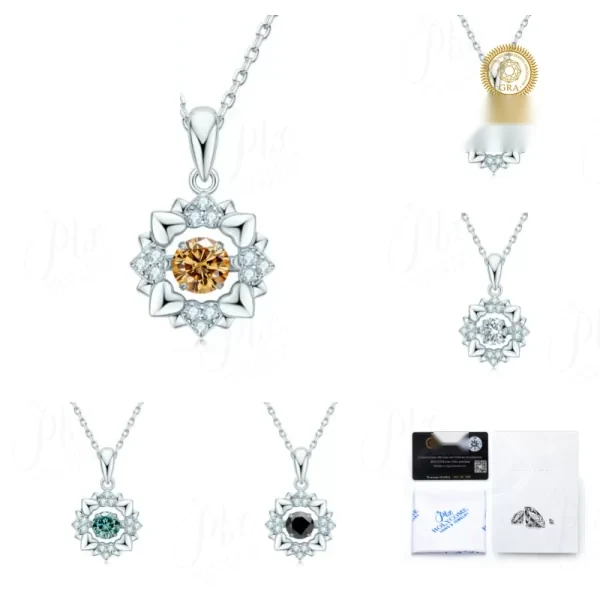
Yes. Every parcel ships with GRA or IGI documentation listing carat weight, color grade and cut. We recommend passing the certificate to your end customer for trust.
How long does sample and bulk production take?
Samples ship in 3–5 days. Bulk runs take 15–20 days under 500 pieces, and 25–30 days for custom work.