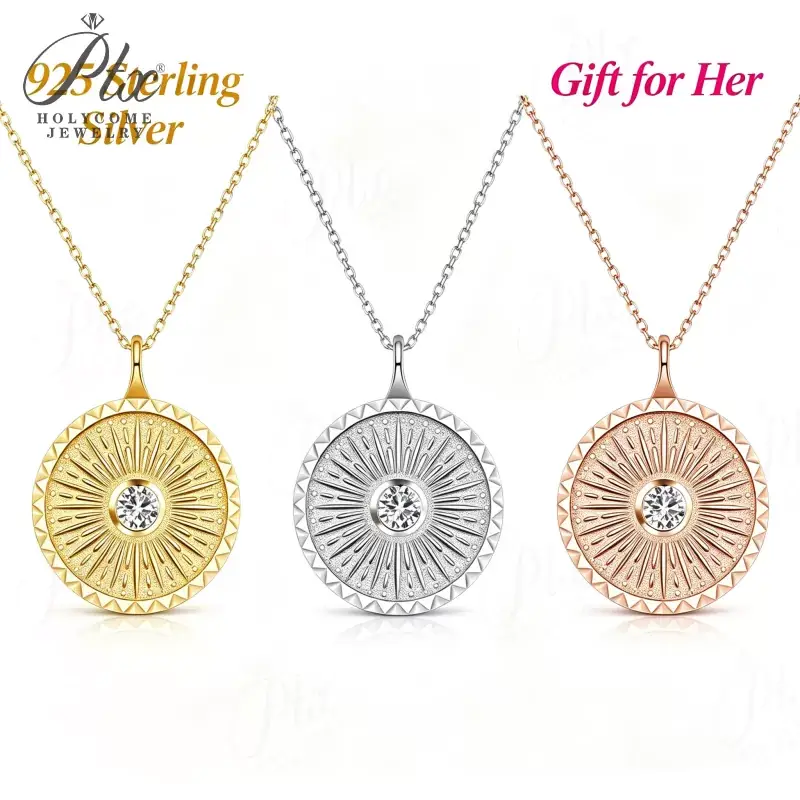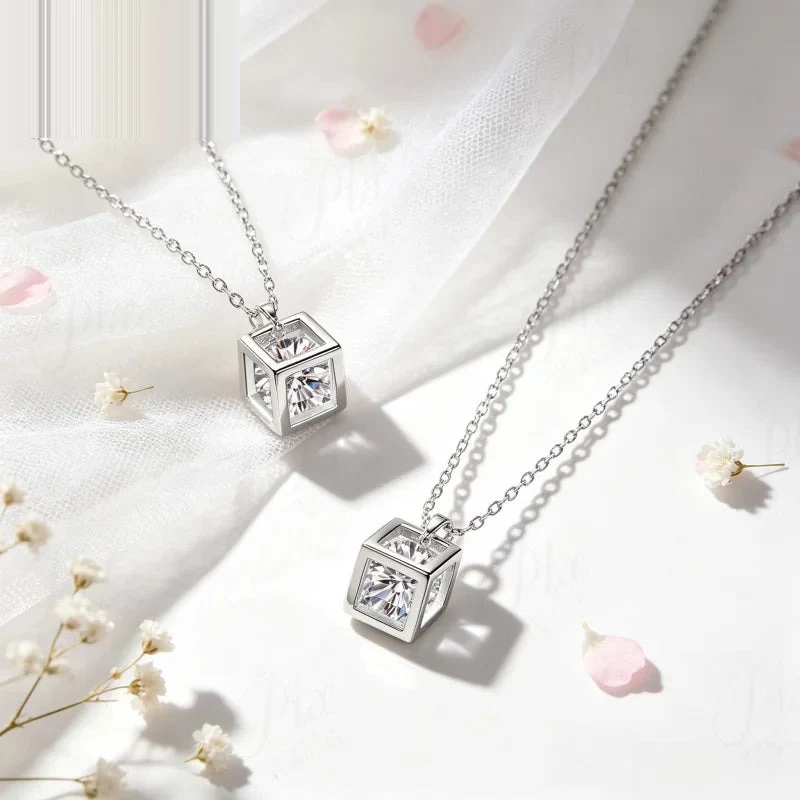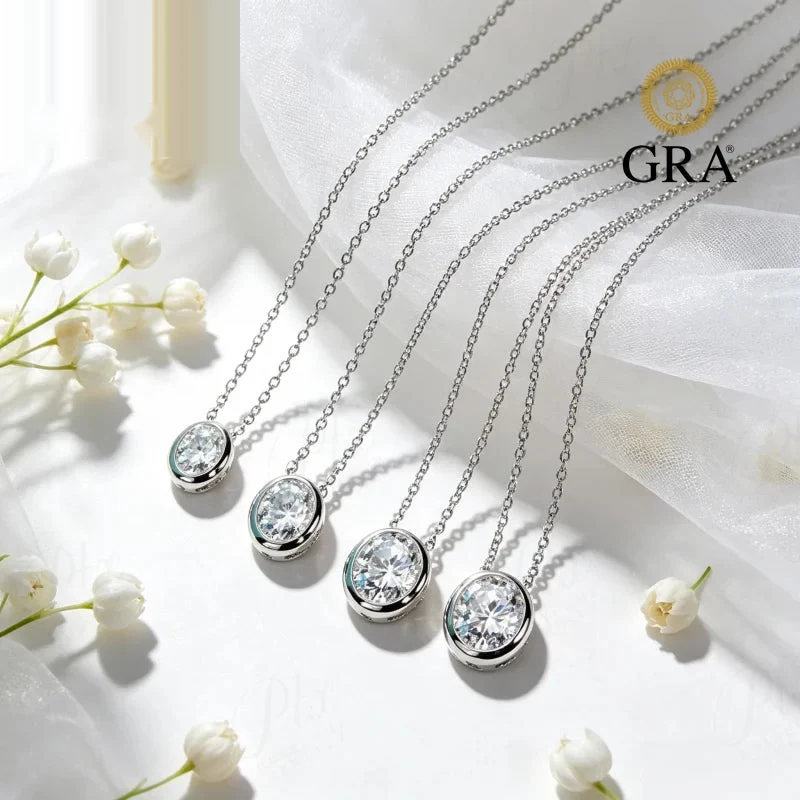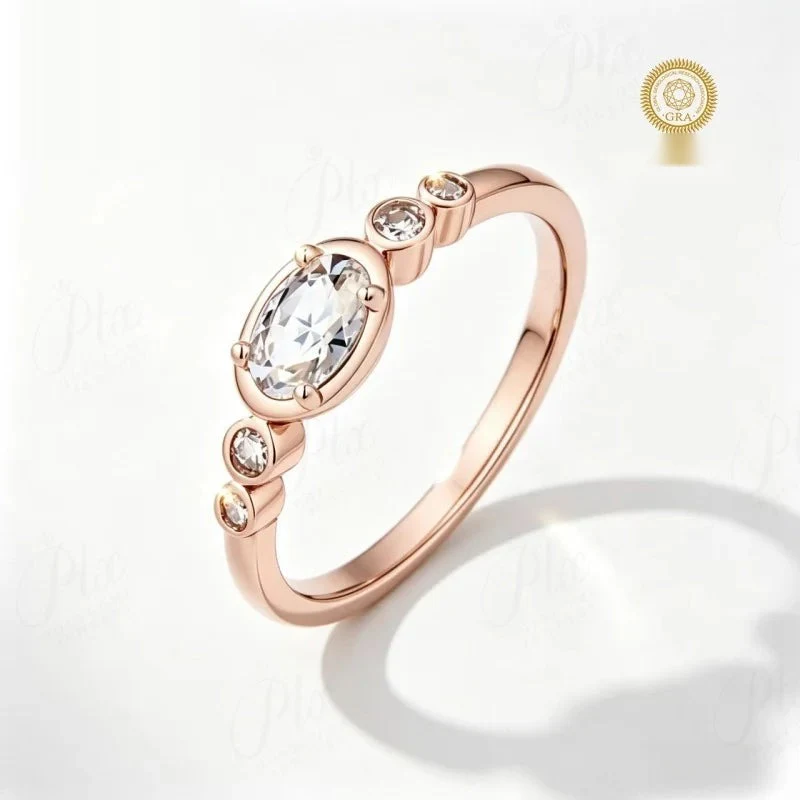
Walk into any alternative boutique or scroll a slow-fashion feed and the same palette appears: black turtlenecks, long coats, silver chains, and rings with pointed, architectural detail. That is the overlap between gothic romance and dark academia, two aesthetics that quietly became one of the most reliable silver jewelry trends of the last few years. For retailers, the look matters because it is built almost entirely on 925 sterling silver, not gold, and it rewards distinctive designs over generic minimal pieces.
The aesthetic is not costume. Modern gothic and dark academia jewelry borrows from Victorian mourning jewelry, medieval signet rings, and occult symbolism, but worn in a restrained, everyday way. A customer in this style is not dressing for a festival. They are layering a few deliberate pieces over a dark outfit and letting the metal do the work.
Why silver is the default metal
Gold reads warm, romantic, and luxury. Silver reads cool, stark, and a little somber. The dark aesthetic leans into that contrast. Polished sterling silver against black fabric is one of the strongest visual pairings in fashion, which is why the look photographs so consistently. Silver also takes detail well: oxidized recesses in a ring make the raised design pop, and that patina effect is hard to achieve in gold plating without looking cheap.
Oxidation is the secret technique here. Blackened silver inside engraving, around a skull's eye sockets, or along a cross's edges gives a piece depth that plain polished silver cannot match. Shoppers in this category specifically look for that two-tone dark effect, so ask suppliers which designs come pre-oxidized versus bright polished. They are different products to the buyer's eye.
The core pieces customers buy
Start with a few anchors. Signet rings with deep crests or family-crest motifs sit at the center of almost every dark academia wardrobe; they are the piece a customer wears daily and builds the rest around. From there, elongated pendants matter: dagger charms, antique crosses, coin medallions, and hollow teardrops on long rope or box chains. Layered long chains over a black sweater are the signature silhouette. Signet rings in particular cross over into mainstream menswear too, doubling your audience.
Earrings in this aesthetic are slim and sharp: long drops, thin spikes, small hoop-and-dangle combinations, and gothic arches. Bracelets move toward chain and cuff styles with a weighty, hardware feel rather than delicate charms. Avoid anything that reads cute or pastel; the customer wants seriousness of line.
How to merchandise the look
Display matters more here than in most categories. Group pieces on dark velvet or matte black stands rather than white display pads. Pair a signet ring with a long pendant on a model photo where the person wears a dark high neckline. The context sells the piece far more than a product-on-white background. If you shoot your own content, lean into soft directional lighting that catches the oxidized recesses.
Write product descriptions in plain, confident language. Mention material honestly: solid 925 silver, rhodium finish, oxidized detail. Customers in this style are knowledgeable about metal and will immediately notice if a design is plated thin. They also ask about tarnish and care because they wear pieces heavily; address it up front and you remove a buying objection.
Who is actually buying
The audience is broader than the stereotype. Yes, there is the core alternative crowd, but dark academia also draws students, literary types, and professional women who want jewelry with edge that still fits a conservative office. Men who would never wear a pendant in public will wear a single thick silver ring and a dog-tag-style chain. Men's silver styling and this aesthetic overlap heavily, so design your product shots to work for both genders.
Price the range from accessible everyday pieces to one statement ring. The customer often starts with a signet or a pendant, then returns for layers. That repeat behavior is exactly why building a coherent collection beats stocking random gothic pieces one at a time. When everything in the range visually belongs together, the average order value climbs on its own.
Pricing and margin in this niche
Because the look is design-led rather than stone-led, margins stay healthy. You are selling sculpted metal and mood, not a big carat weight, so cost of goods stays low while perceived value runs high. A signet with deep engraving costs little extra to cast but commands a clear price premium over a plain band. Bundle a ring, a long pendant, and a pair of small drops as a "starter stack" at a slight discount, and you give the customer a complete look while lifting the ticket. Gift shoppers in this space respond well to that kind of curated set, especially around Halloween, winter holidays, and Valentine's Day.
Gothic and dark academia jewelry is not a flash-in-the-pan trend. It is a style language that has been building for years and translates well across seasons, from a black turtleneck in winter to a white shirt and long chain in summer. Retailers who stock it with attention to oxidation, weight, and dark styling will find a loyal audience that shops repeatedly, recommends openly, and appreciates a well-made silver piece.
Sterling silver terminology used in this guide follows the Wikipedia entry on sterling silver.
Frequently Asked Questions
How do I prevent sterling silver from tarnishing in storage?
Use anti-tarnish bags with a sulfur absorber, keep humidity under 60% and avoid paper wrapping. Rhodium plating adds a further barrier on high-turn SKUs.
Is rhodium plating worth the added cost?
Yes for display and gift lines. It resists tarnish for 12–18 months and keeps shelf pieces bright, which reduces markdowns.
What purity do you supply?
925 sterling silver, stamped and hallmarked. Fine silver (.999) is available for beads and bullion-style pieces.
What is the MOQ and lead time?
50 pieces per design, samples 3–5 days, bulk 15–20 days.