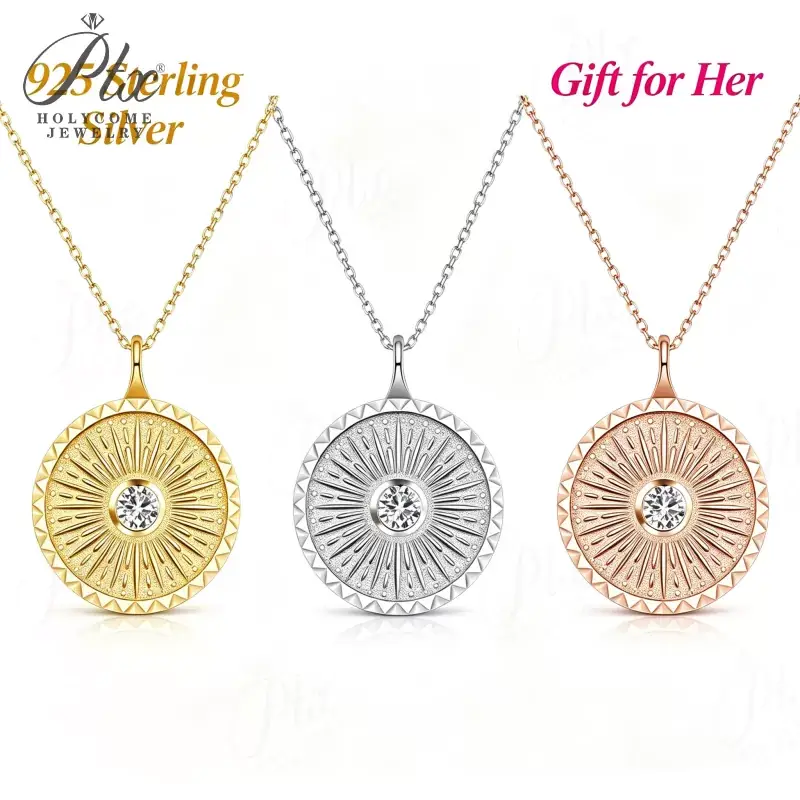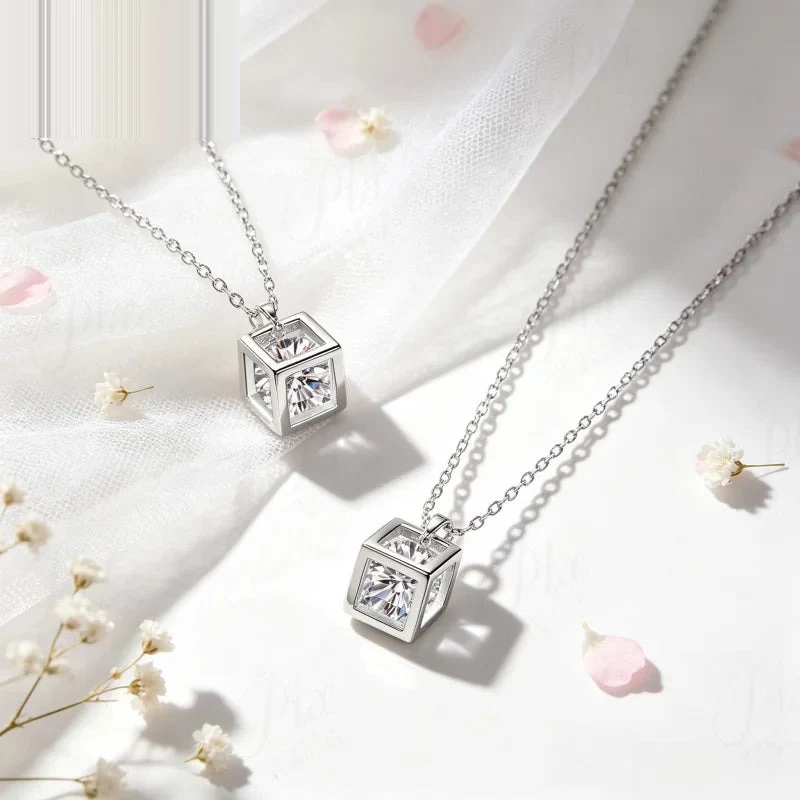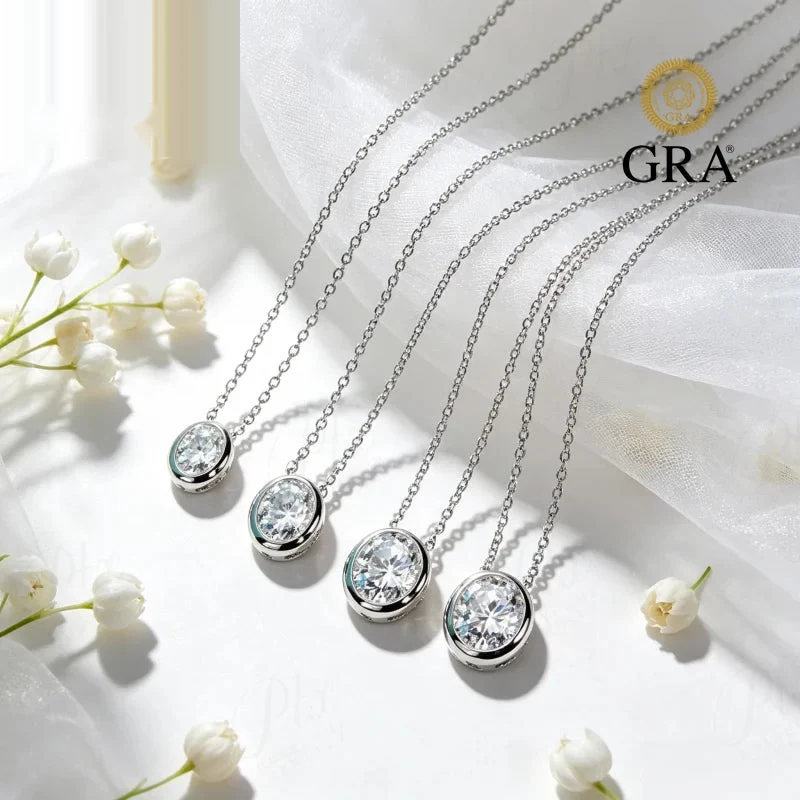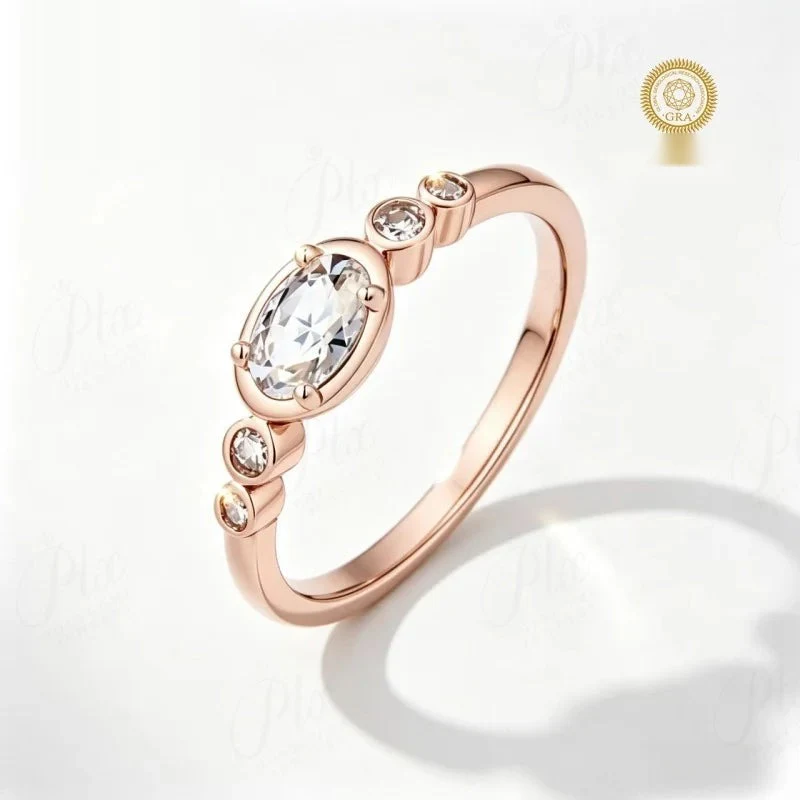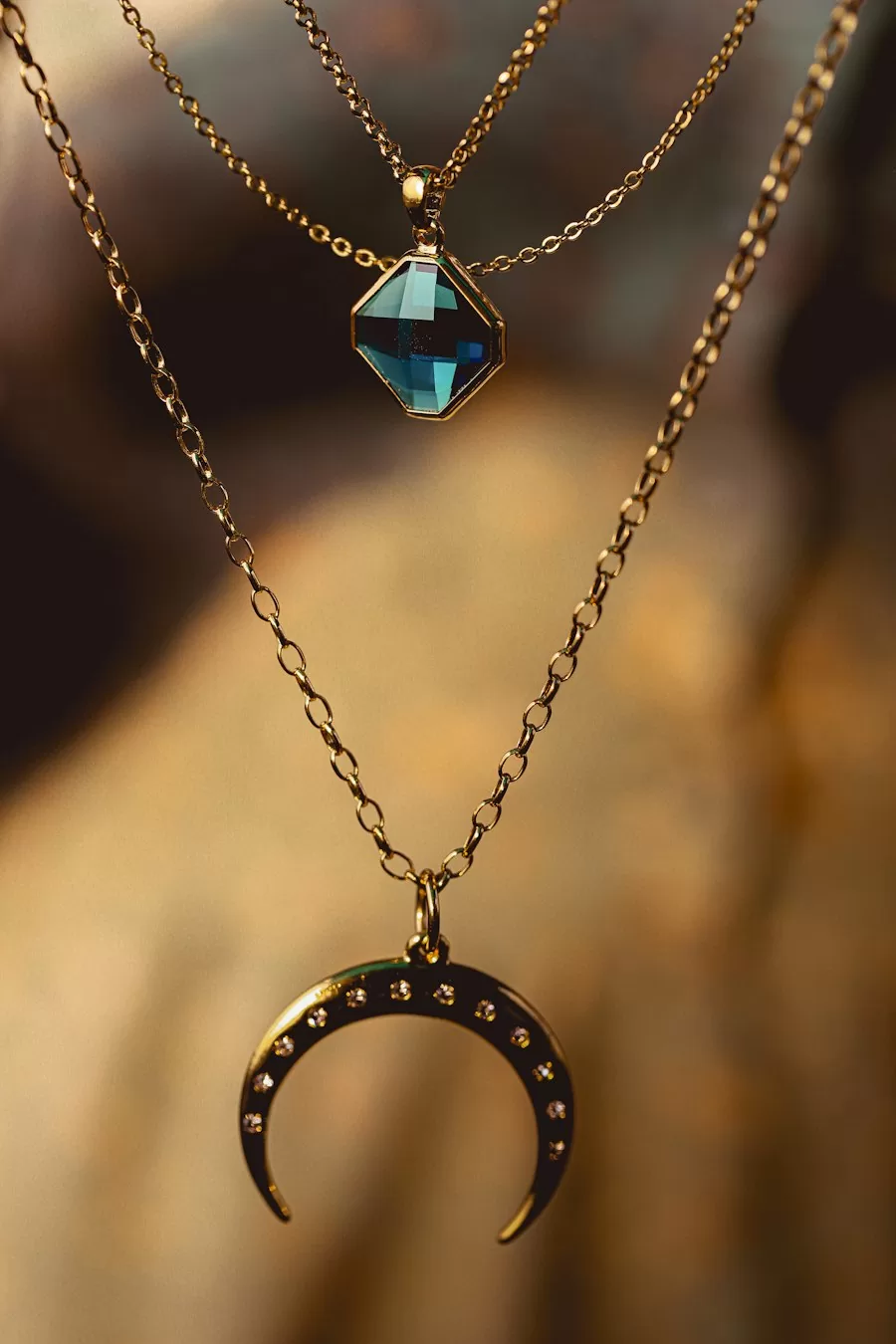
"18k gold over sterling silver (ISO 925 sterling silver standard)" sounds like a typo on a product page, but it is actually one of the most useful materials in modern fashion jewelry. It is called gold vermeil, and once you understand the standard, it becomes a powerful middle option between pure silver and solid gold. For retailers, vermeil lets you sell warm-toned pieces at silver prices without misleading customers about what they are buying.
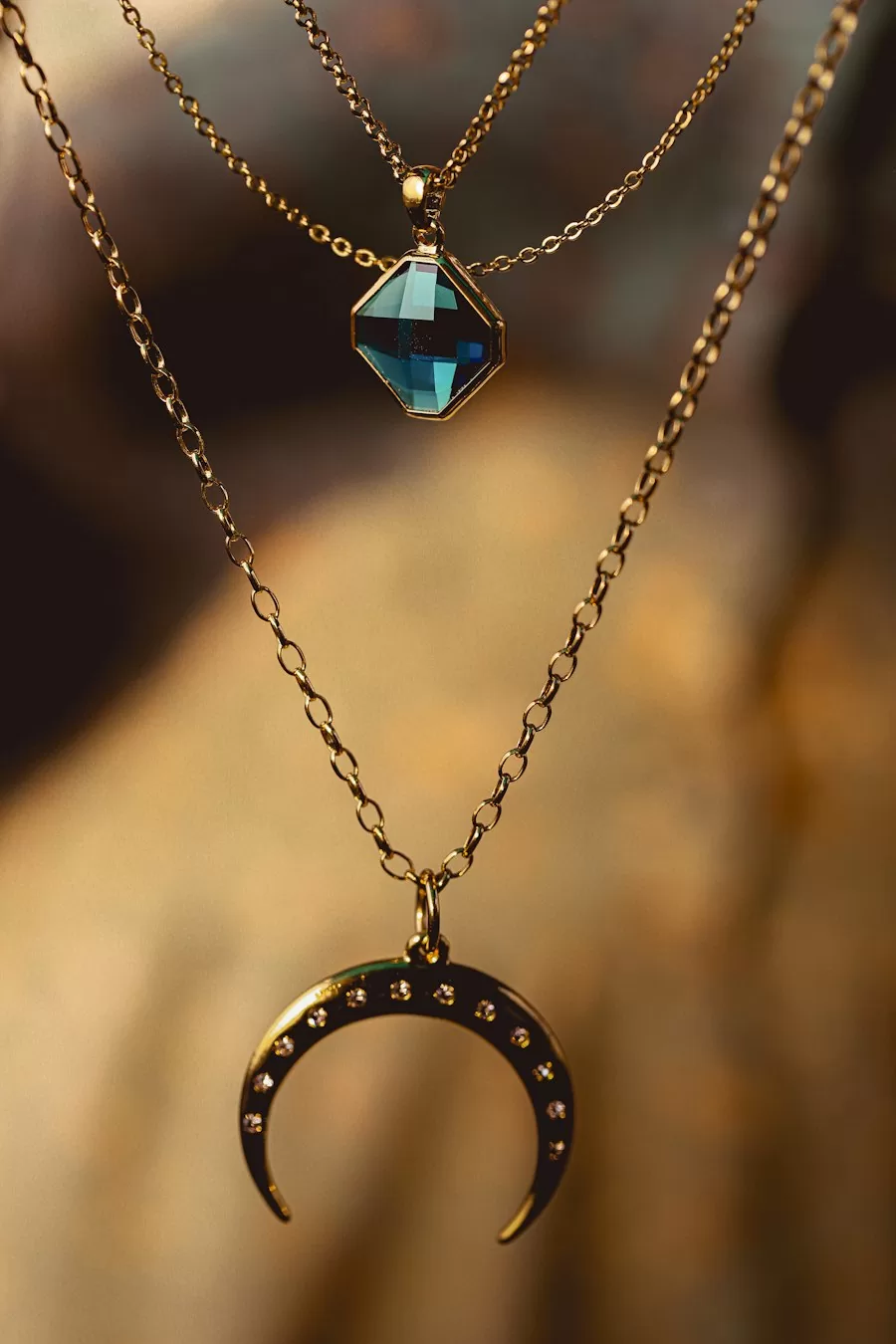
What vermeil legally means
True gold vermeil requires a sterling silver base covered by a layer of real gold, usually at least 10k and often 14k or 18k, with a minimum thickness measured in microns. The silver base is what makes it different from "gold plated," which is usually a thin gold coat over brass, copper, or steel. That base matters because sterling silver is hypoallergenic and nickel-free, while brass bases are the classic cause of green skin. Our primer on solid silver vs plated covers the baseline. In the United States, calling a piece "vermeil" without a sterling silver base is technically misrepresentation, which is worth knowing if you ever deal with trademark or ad claims.
How it wears over time
Vermeil is not solid gold. The gold layer will wear down with friction, especially on rings, bracelets, and chains that rub against desks and cuffs. Necklaces and earrings keep their finish for years because they see less abrasion. When the gold thins, you see the silver underneath—not green skin, just a cooler tone. A local jeweler can re-plate most pieces for a modest fee. That re-plate step is covered in our plating guide. Educate customers that a thin line of silver showing at the inside of a ring band is normal wear, not a defect, and you will field far fewer return requests.
Cost and perceived value
Vermeil sits between solid silver and solid gold on price, but it photographs like gold. That makes it a winner for product imagery, bridal looks, and customers who want a warm tone without the five-figure spend. For gifting, it hits the "feels expensive" note that customers remember. Moissanite set in vermeil also reads exceptionally bridal because the warm gold complements the stone’s fire. On your store, a vermeil collection naturally bridges the gap between a $20 silver stud and a $500 solid gold pair, which customers genuinely appreciate.
When to stock sterling silver instead
If your customer wants a piece that will not need re-plating, or if they want to engrave and resize repeatedly, solid sterling silver is the cleaner choice. Rings that take a beating—thumb rings, signets, wide bands—are often better in plain silver with a rhodium or matte finish. Vermeil is the right call for necklaces, earrings, pendants, and statement pieces that live mostly on display. A good merchandising rule: stock vermeil for pieces worn above the collarbone, and solid silver for pieces worn on the hands.
How to spot cheap imitations
Real vermeil will be stamped 925 somewhere on the piece, because the silver base requires it. If a listing says "gold dipped" or "gold tone" with no stamp and an implausibly low price, it is almost certainly plated brass. Those pieces turn skin green within weeks and bring returns. Ask your supplier for the micron thickness and the karat of the gold layer before you bulk-order—that specification is the difference between a repeat customer and a refund request. Request a sample before you place a full order, and wear the sample for two weeks to see how the finish holds on your own wrist.
Bottom line for buyers
Quick vermeil checklist
- Real vermeil has a sterling silver base covered by real gold.
- Look for a 925 stamp; brass plating is not vermeil.
- Necklaces and earrings keep their finish longer than rings.
- Ask suppliers for gold karat and micron thickness before bulk orders.
- Expect to re-plate high-friction pieces every few years.
Customer education is the easiest way to reduce returns here. A short paragraph in your product description explaining that vermeil is gold over silver, that the finish wears on high-friction pieces, and that re-plating is normal sets expectations before the order ships. Shoppers who read that description buy with confidence and write five-star reviews a year later, which in turn helps the next customer trust the listing.
Gold vermeil is a legitimate, well-defined material, not a marketing trick. Stock it when you want warm-toned, bridal-adjacent pieces at accessible prices, and pair it with honest descriptions that explain the silver base. Customers who understand the material buy more, complain less, and come back for the next shade. A well-merchandised vermeil line can become the quiet best-seller that carries your holiday season.
Frequently Asked Questions
How do I prevent sterling silver from tarnishing in storage?
Use anti-tarnish bags with a sulfur absorber, keep humidity under 60% and avoid paper wrapping. Rhodium plating adds a further barrier on high-turn SKUs.
Is rhodium plating worth the added cost?
Yes for display and gift lines. It resists tarnish for 12–18 months and keeps shelf pieces bright, which reduces markdowns.
What purity do you supply?
925 sterling silver, stamped and hallmarked. Fine silver (.999) is available for beads and bullion-style pieces.
What is the MOQ and lead time?
50 pieces per design, samples 3–5 days, bulk 15–20 days.