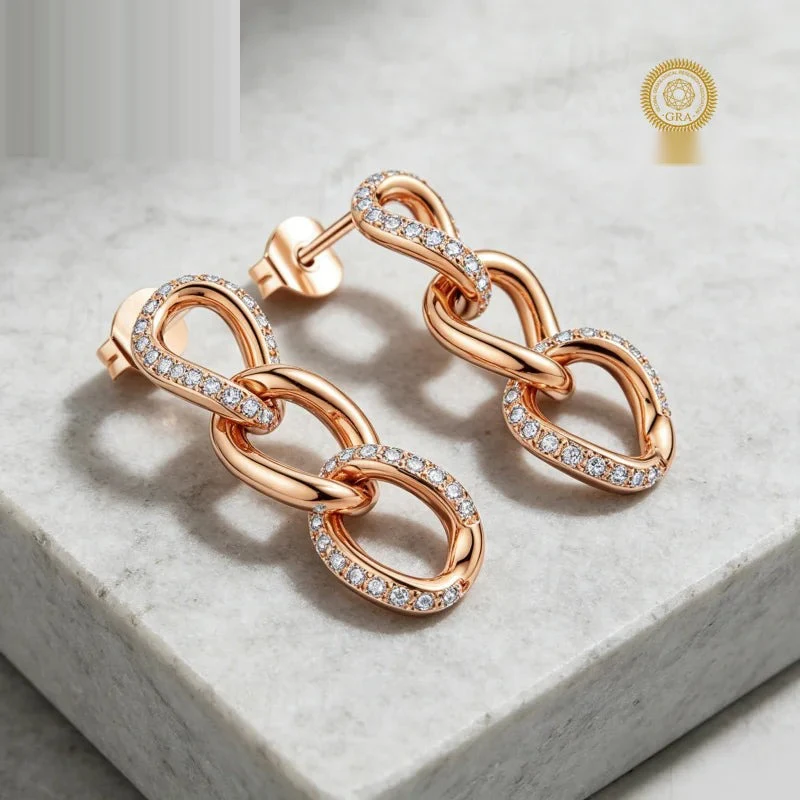
A earrings lead time is not one number. It is five steps stacked: sample approval, alloy and stone purchase, casting, setting and finishing, then QC and export. When a supplier promises a single date, ask which step absorbs the risk.
The five steps behind a earrings ship date
Step one is sample approval, usually 3 to 5 days on a stock design and 10 to 15 on a new CAD. Step two is material purchase, 3 to 7 days depending on alloy and stone. Step three is casting and finishing, 7 to 10 days. Step four is setting and plating, 3 to 5 days. Step five is QC, packing and export paperwork, 2 to 3 days.
Add those honestly and earrings lands at 20 to 30 working days, not counting transit. A quote below that range means one step is being compressed or skipped.
Keep the CAD file and the mould receipt. Ownership is a document, not an understanding.
Peak season is a different calendar
From late September to mid December, casting queues lengthen and plating lines run double shifts. The same order that ships in 18 days in March can take 30 in November, and the factory is not lying in either case.
Book peak-season capacity two months early, or accept a split shipment: top sellers first, the long tail after the peak.
| Stage | Days | What can slip |
|---|---|---|
| Sample approval | 3-15 | CAD revisions, stone sourcing |
| Material purchase | 3-7 | Alloy lot, stone grade |
| Casting and finishing | 7-10 | Furnace queue in peak |
| Setting and plating | 3-5 | Re-plate after inspection |
| QC and export | 2-3 | Documents, carton marking |
Read the table as a checklist rather than a recommendation. The right row depends on the price band, the wear pattern and the channel you sell into.
Sample by size run, not from one mixed tray. Defects cluster by size and by design, and a mixed sample hides both.
How to protect the date
Put three dates in the PO: material ready, production complete, and documents released. Then ask for a photo update at each. A supplier that only reports one date has no schedule, only a promise.
On earrings, the two most common delays are stone arrival and plating rework. Ask which of those has buffer in the plan.
Transit and the real arrival date
Express courier is 3 to 5 days door to door and expensive per kilo. Air freight is 7 to 12 days and needs a forwarder. Ocean is 25 to 40 days and suits only heavy, low-value cartons.
Build the landed date from ship date plus transit plus customs clearance. Buyers who plan from the ship date alone are late by a week every season.
In practice, the first lot answers more than the quote does. Weigh ten pieces, measure five stones and rub three contact points, and the specification stops being a claim.
What to check before the order
Run the five checks below in order. The first two protect the money, the last three protect the launch date.
- Ask for the schedule in five steps, not one date.
- Book peak capacity two months ahead.
- Put three milestone dates in the PO.
- Keep 20 percent buffer on the first order.
- Plan the landing date from ship date plus transit.
If a supplier cannot answer three of the five, treat the quote as a starting point rather than a plan. Ask again in writing and keep the answer with the PO.
Frequently Asked Questions
What is a realistic lead time for earrings?
20 to 30 working days for a repeat design, longer for a new CAD and longer again in Q4.
Can I rush a earrings order?
Sometimes, at a premium and with a reduced size range. Ask what is being dropped to make the date before you accept it.
Why did my last order arrive two weeks late?
Usually stone arrival or a plating rework. Ask for the stage-by-stage log on the next PO.
Does the lead time include shipping?
Rarely. Confirm whether the quoted date is ship date or arrival date; the two differ by 3 to 40 days depending on the mode.
How much buffer should I plan?
Twenty percent on the first order and ten percent on repeats. Peak season needs more.
How do I compare two quotes for this item?
Split both into metal, stone, labour, finishing and overhead, then compare line by line. A single total hides the specification difference.
Send the earrings quantity and target in-store date. We return a five-step schedule with the milestones you can put straight into the PO. See the full range at Earrings and HOLYCOME.
The short version: specify the number, seal the sample, inspect against both. Everything else is negotiation.