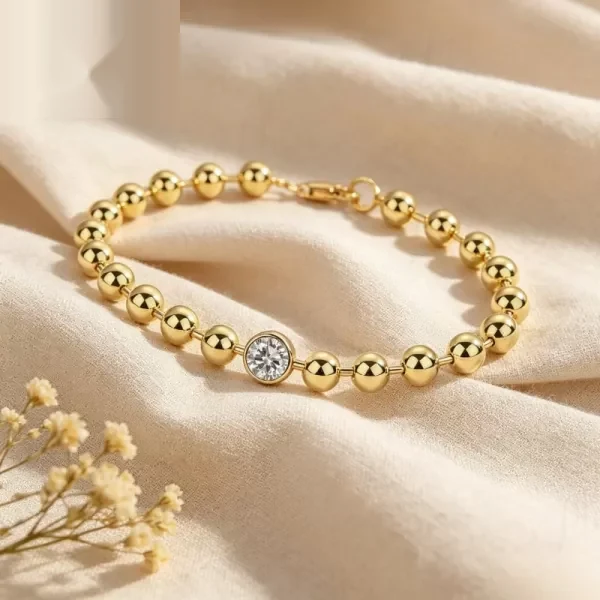
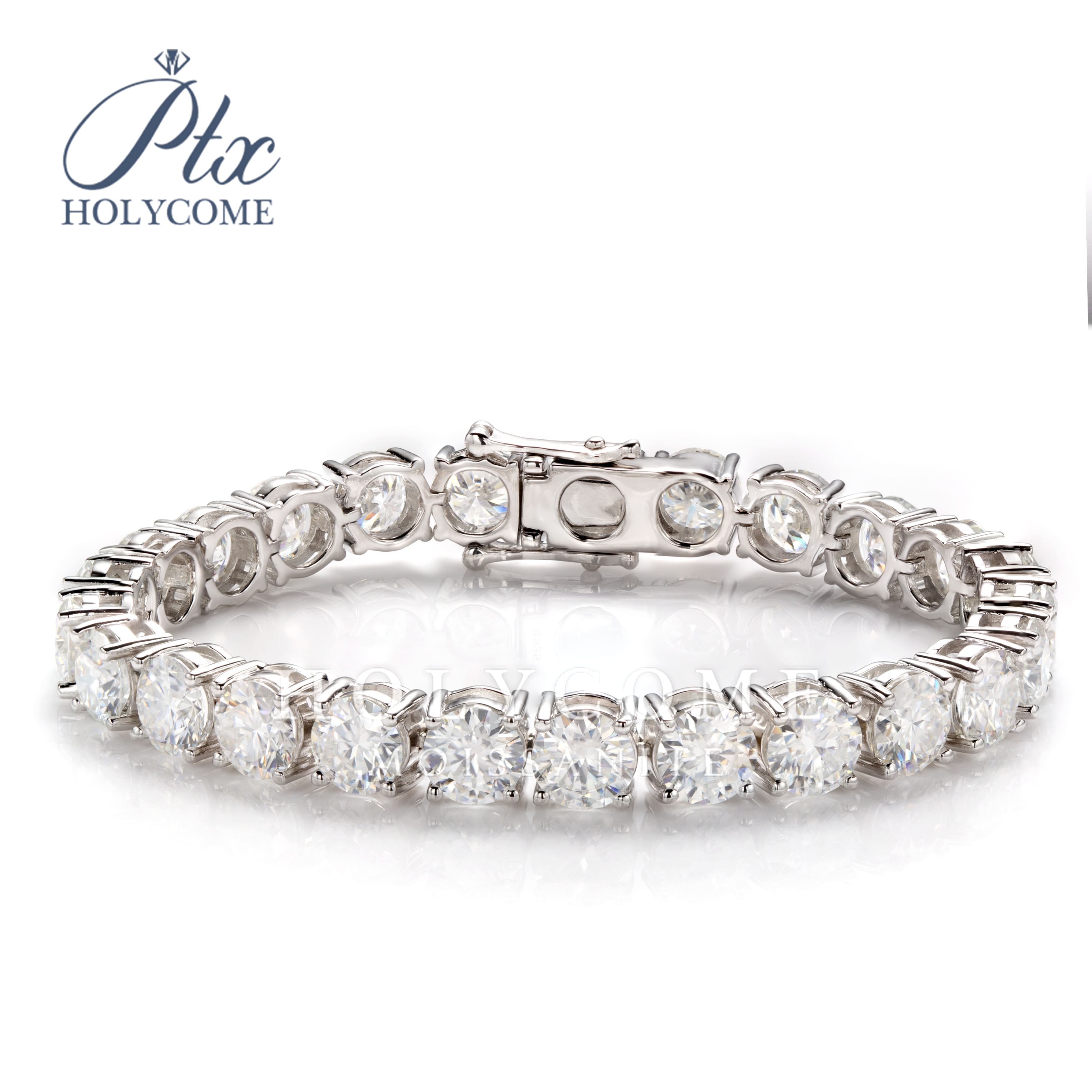
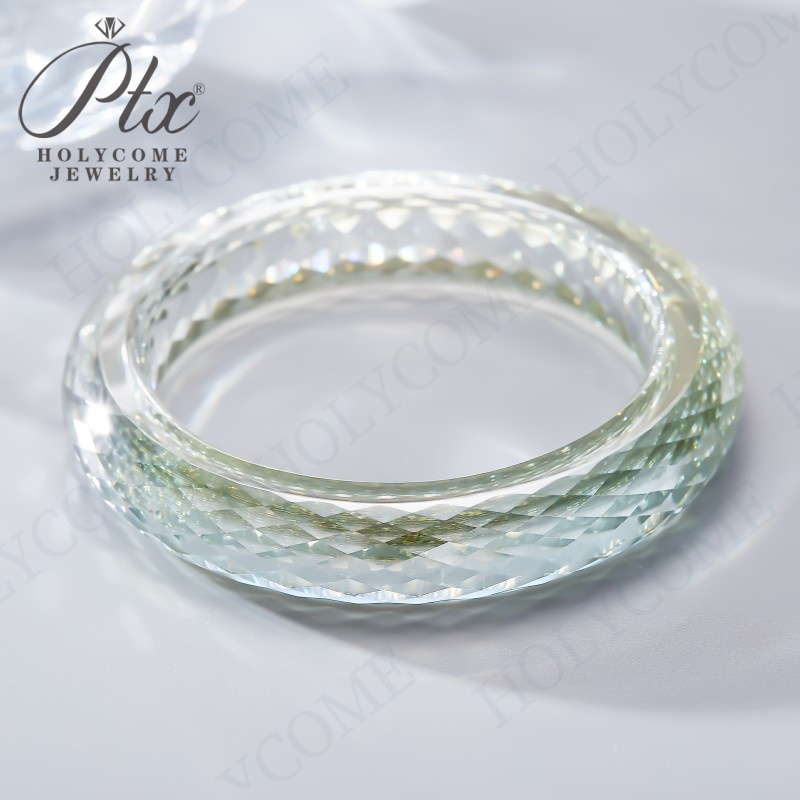
A custom charm bracelets fails in one of two places: the CAD is approved before the stone is sourced, or the bench 'adjusts' the model to make it castable. Both are avoidable with a staged approval.
Stage one: the brief that survives translation
Give the factory five inputs: reference image, stone size in millimetres, metal and karat, finger size or chain length, and the retail price ceiling. Without the price ceiling, the CAD comes back beautiful and unmakeable at your margin.
Ask for a dimensioned drawing, not a render. A render hides the gallery height and the prong thickness, which are the two places a design fails.
Ask for the mill certificate and the stone invoice. Two documents turn a material claim into something an auditor can check.
Stage two: CAD approval with three checkpoints
Checkpoint one is stone seat depth: the stone must sit below the prong tips. Checkpoint two is minimum wall thickness at the shank. Checkpoint three is the casting allowance, usually 3 to 5 percent shrink.
Approve in writing at each checkpoint. A single 'looks good' message on charm bracelets is how a 1.8 mm shank becomes 1.4 mm after polishing.
| Stage | Deliverable | Approval gate |
|---|---|---|
| Brief | Dimensioned drawing | Stone size, metal, ceiling |
| CAD | STEP file, wall thickness | Written sign-off |
| Wax or print | Photo of the model | Seat and prong check |
| First article | One cast piece | Porosity and size check |
| Batch | Production run | AQL inspection |
Read the table as a checklist rather than a recommendation. The right row depends on the price band, the wear pattern and the channel you sell into.
Photograph the first article before the batch runs. A shifted seat or a short prong is cheapest to fix at one piece.
Stage three: wax, cast and the first article
Ask for a photo of the wax or the resin print before casting. Ask for the first cast piece before the batch. That first article is where you catch porosity, a shifted seat or a prong that is too short.
Only after the first article passes should the batch run. Skipping it saves three days and costs a full lot.
Stage four: who owns the model
The CAD file is an asset. Put ownership in writing: the buyer owns the model after the mould fee is paid, and the factory will not reuse it for another client.
Without that clause, your custom charm bracelets can appear in another buyer's catalog two seasons later.
Price moves with three inputs: alloy, stone and plating. A quote that holds for ninety days is a quote that has priced those three honestly.
What to check before the order
Run the five checks below in order. The first two protect the money, the last three protect the launch date.
- Give five inputs, including the price ceiling.
- Approve a dimensioned drawing, not a render.
- Check stone seat depth and wall thickness.
- Photograph the wax before casting.
- Put CAD ownership in the contract.
If a supplier cannot answer three of the five, treat the quote as a starting point rather than a plan. Ask again in writing and keep the answer with the PO.
Frequently Asked Questions
How long does a custom charm bracelets CAD take?
Three to seven days for a first model, longer if the stone has to be sourced first.
Who should own the CAD file?
The buyer, after paying the mould fee. Ask for the clause in writing before the first order.
Can I reuse the mould for another size?
Often yes, with a size adjustment. Ask whether the factory charges a new mould for a size change.
Why does the cast piece come out smaller?
Casting shrink, typically 3 to 5 percent, plus polishing loss. The CAD should carry the allowance.
What if the first article fails?
Fix the model, re-cast, and do not release the batch. A failed first article is the cheapest failure you will get.
How do I know a supplier is reliable?
Two clean repeat lots and two on-time shipments. Before that it is a sample, not a supplier.
Send the charm bracelets reference image and stone size. We return a dimensioned CAD, a first-article photo and the mould fee quoted separately. See the full range at Charm Bracelets and HOLYCOME.
Buyers who get consistent lots are not luckier. They wrote the spec down and checked the first carton against it.