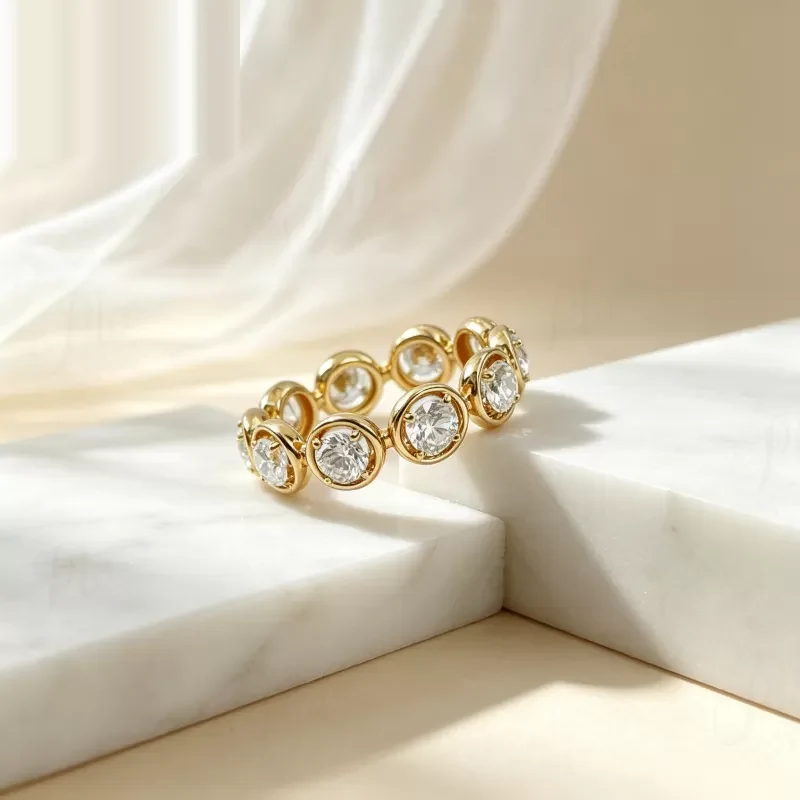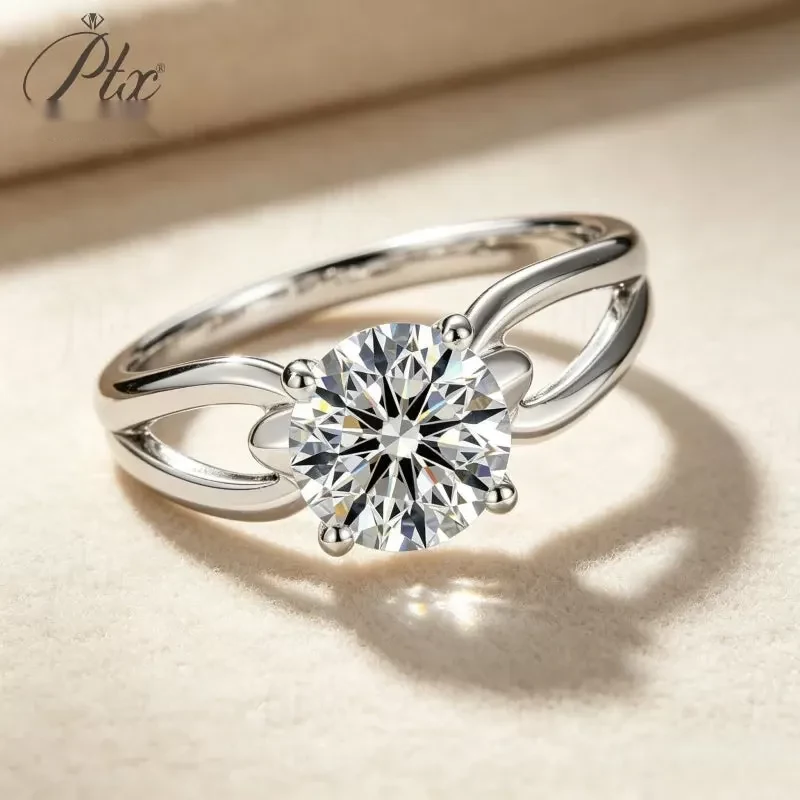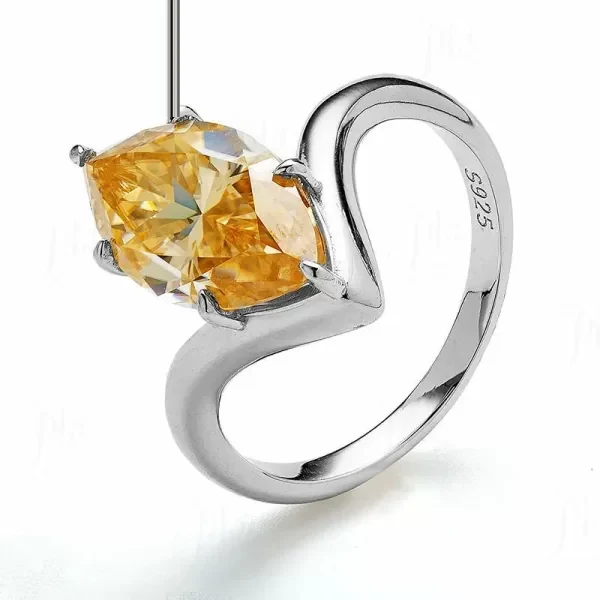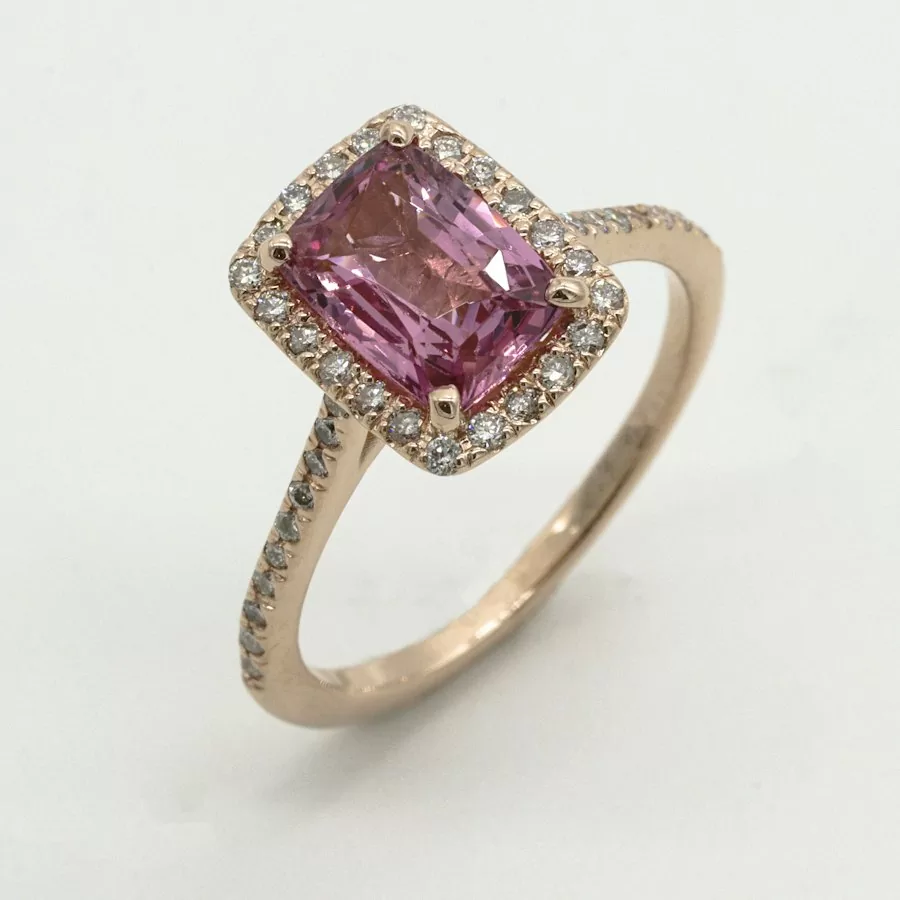
Bright, polished sterling silver is classic, but a growing share of customers now want something with more edge. Black rhodium (EU ECHA nickel safety regulations) plating delivers exactly that: a thin electroplated layer that turns silver into a deep, matte gunmetal surface. It has become a favorite for men's rings, unisex signets, and any design where a colored stone needs a dramatic frame.
If you have only sold bright silver, black rhodium opens a new customer segment without changing your base metal or your price point.
What black rhodium actually is
Rhodium is a precious metal in the platinum family, normally plated onto silver to add whiteness and tarnish resistance. Standard rhodium plating is clear-bright; black rhodium is alloyed to produce a dark, near-black finish. It sits as a thin layer over the sterling silver underneath, so the piece is still solid 925 silver at its core. This is the same plating family we explain in our rhodium guide—just a different end color.
Because it is a plating, not the base metal, the finish is a deliberate surface treatment rather than a permanent metal color.
Why the dark look sells
Black rhodium does two things at once. First, it reads modern and slightly rebellious, which appeals to younger shoppers and to men's silver jewelry buyers who find bright silver too flashy. Second, it creates extreme contrast: a moissanite or diamond set against a dark background looks brighter and whiter by comparison. That is why solitaire and halo rings in black rhodium often photograph with more punch than the same ring in bright silver.
It also pairs effortlessly with mixed-metal styling—the dark finish reads as a neutral bridge between silver and warm gold.
Durability and what to tell customers
This is the part to get right up front, because it prevents returns. Any plated finish wears over time, and black rhodium is no exception. On a ring worn daily, the high-friction spots—edges of the band, the top of the bezel—will eventually show the brighter silver underneath. That is normal wear, not a defect. The plating can be reapplied by a jeweler.
Set expectations honestly: frame black rhodium as a finish to enjoy, like a matte phone case, rather than a permanent color. Customers who understand this upfront are happy customers. We cover broader plating-versus-solid questions in our guide to identifying solid versus plated silver.
Caring for black rhodium pieces
Keep the plating dry and away from harsh chemicals. Chlorine, bleach, and long soaks in jewelry dips will strip it faster. Clean with a soft cloth and mild soap, skip the abrasive polishing cloths, and store pieces so they do not rub against each other. Avoid wearing black rhodium rings during heavy handwork. Treating the finish gently is the single best way to keep it dark for longer.
Which designs work best
Black rhodium shines—ironically—on designs with contrast texture. A brushed dark band with a polished edge, a signet with an engraved crest that catches light, a solitaire where the dark bezel makes the center stone float. It is less successful on pieces that are already fully detailed, where the dark finish can read as muddy. Start with clean silhouettes and let the finish carry the design.
A note on pricing and margin
Black rhodium plating adds a modest cost per piece at production, but the perceived value jumps. Customers readily pay a small premium for the modern finish, which means healthier margins than a comparable bright-silver SKU. It also diversifies your catalog, letting you serve customers who walk in wanting "something dark" instead of losing them to a jewelry store that already stocks gunmetal.
Customers who try a dark-finished band often return for a second piece in the same mood, which is why grouping black rhodium SKUs together on the page tends to lift average order value. It is an easy way to add a distinct, modern edge to a catalog that would otherwise be all bright silver.
Pairing black rhodium with other metals
A dark-finished ring is surprisingly versatile. It sits beautifully next to a plain silver band or a warm gold wedding band, because the black finish acts as a neutral that grounds the contrast. This makes it a natural fit for customers who already mix metals. It also photographs with strong edge, which is why it has gained traction in men's silver trends—dark bands read as modern and masculine without going full goth.
Refinishing as a service opportunity
Because the finish wears, you can turn it into a service rather than a weakness. Offer a low-cost refinishing touch-up for customers who bought early pieces, or sell a small care note explaining that a local jeweler can re-plate the band. This turns a known limitation into a reason for the customer to come back to you. Honesty about plating lifespan builds more trust than pretending the color is permanent—especially when customers compare it against solid versus plated silver questions they may already have.
Frequently Asked Questions
How do I prevent sterling silver from tarnishing in storage?
Use anti-tarnish bags with a sulfur absorber, keep humidity under 60% and avoid paper wrapping. Rhodium plating adds a further barrier on high-turn SKUs.
Is rhodium plating worth the added cost?
Yes for display and gift lines. It resists tarnish for 12–18 months and keeps shelf pieces bright, which reduces markdowns.
What purity do you supply?
925 sterling silver, stamped and hallmarked. Fine silver (.999) is available for beads and bullion-style pieces.
What is the MOQ and lead time?
50 pieces per design, samples 3–5 days, bulk 15–20 days.